Introduction
The Daintree River Ring-tailed Possum, scientifically known as Pseudochirulus cinereus, is a fascinating marsupial species endemic to the lush rainforests of northeastern Australia. This unique possum is part of the diverse family Pseudocheiridae, which includes several other ring-tailed possum species. Known for its elusive nature and remarkable adaptations to its arboreal lifestyle, the Daintree River Ring-tailed Possum is a subject of interest for wildlife enthusiasts and researchers alike. This article delves into the physical characteristics, habitat preferences, behavior, and conservation status of this intriguing mammal, providing comprehensive insights for anyone interested in learning more about this species.
Physical Description
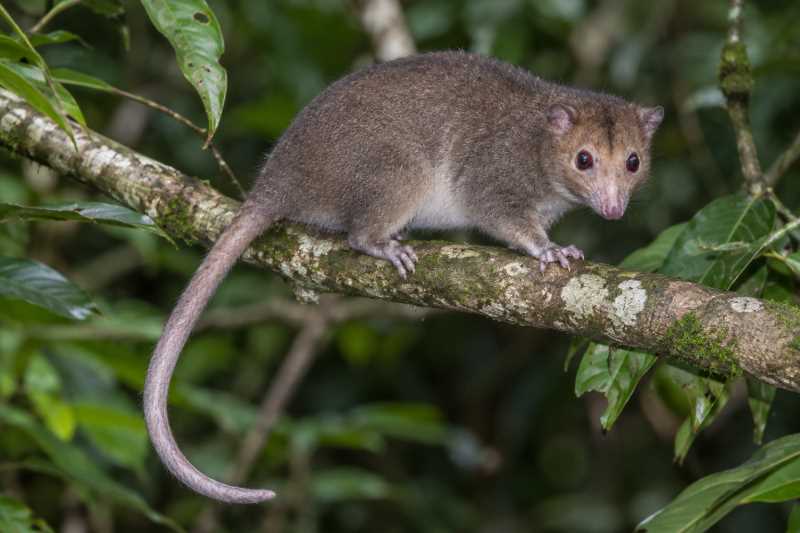
The Daintree River Ring-tailed Possum is a medium-sized marsupial characterized by its distinctive ringed tail, which is prehensile and aids in climbing. Adults typically weigh between 800 grams to 1.2 kilograms and measure approximately 30 to 38 centimeters in body length, with an additional tail length of about 34 to 42 centimeters. Its fur is a soft, dense grey, often with a slightly brownish tinge, providing excellent camouflage against the bark of trees in its rainforest habitat. The possum’s large, forward-facing eyes are adapted for nocturnal vision, enabling it to navigate and forage effectively at night. Its ears are relatively small and rounded, enhancing its arboreal agility and streamlining its movements through the dense forest canopy.
Range and Habitat
The Daintree River Ring-tailed Possum is exclusively found in the wet tropical rainforests of the Daintree River region in Queensland, Australia. Its range is limited to this unique ecosystem, which is renowned for its biodiversity and complex ecological interactions. These possums thrive in the mid to high-elevation montane rainforests, where they inhabit areas with dense canopy cover and abundant food sources. The Daintree rainforest provides an ideal environment with its year-round warm temperatures, high humidity, and plentiful rainfall, contributing to the lush vegetation that supports a variety of fauna, including the Daintree River Ring-tailed Possum.
Behavior and Diet
Primarily nocturnal, the Daintree River Ring-tailed Possum is most active during the night, spending its time foraging for food and navigating the canopy. Its diet mainly consists of leaves, fruits, and flowers, which it skillfully selects from a variety of plant species present in its habitat. The possum’s digestive system is specially adapted to break down tough plant materials, aided by a complex gut microbiome that helps in cellulose digestion. Socially, these possums are relatively solitary but may occasionally be observed in small family groups. Their vocalizations are an essential aspect of their communication, serving to mark territory and maintain contact with offspring.
Identification Tips (Field Recognition Cues)
Identifying the Daintree River Ring-tailed Possum in the wild requires careful observation of several key characteristics:
- Tail: Look for a long, strong, and distinctly ringed tail, which is typically curled when not in use.
- Coloration: Note the soft grey to brownish-grey fur, which blends seamlessly with tree bark.
- Eyes and Ears: Observe the large, forward-facing eyes suited for nocturnal vision, and small, rounded ears.
- Size and Build: Consider the medium size and agile build, which is characteristic of arboreal mammals.
Conservation Status (with Threats and Protections)
The conservation status of the Daintree River Ring-tailed Possum is currently classified as near threatened due to its limited distribution and the specific habitat requirements. The primary threats to this species include habitat destruction caused by logging, agricultural expansion, and climate change, which can alter the delicate balance of its rainforest environment. In addition, the introduction of invasive species poses a significant threat by competing for resources or preying on possums. Conservation efforts are focused on protecting the possum’s habitat through legal protections and the establishment of conservation reserves. Continued research and monitoring are vital to ensure the long-term survival of this unique species, alongside community engagement and education initiatives aimed at promoting awareness of the possum’s ecological role.
Frequently Asked Questions
What is the diet of the Daintree River Ring-tailed Possum?
The Daintree River Ring-tailed Possum primarily feeds on leaves, fruits, and flowers. It has a specialized digestive system that allows it to break down tough plant materials, aided by a complex gut microbiome.
Where can the Daintree River Ring-tailed Possum be found?
This possum is exclusively found in the wet tropical rainforests of the Daintree River region in Queensland, Australia. It prefers mid to high-elevation montane rainforests with dense canopy cover.
What are the main threats to the Daintree River Ring-tailed Possum?
The primary threats include habitat destruction due to logging and agricultural practices, climate change, and the introduction of invasive species which can compete for resources or act as predators.
How does the Daintree River Ring-tailed Possum communicate?
The possum uses vocalizations to communicate, which are crucial for marking territory and keeping in contact with offspring. These sounds help maintain social structures among individuals.
Are there any conservation efforts in place for the Daintree River Ring-tailed Possum?
Yes, conservation efforts include habitat protection through legal measures and conservation reserves, alongside ongoing research and monitoring programs to ensure the species’ survival.
Related posts