Introduction
The Cryptic Myotis, scientifically known as Myotis crypticus, is a fascinating species of bat that belongs to the Vespertilionidae family. Discovered relatively recently, this bat has piqued the interest of bat enthusiasts and researchers alike due to its elusive nature and cryptic characteristics that differentiate it from closely related species. The discovery and classification of Myotis crypticus underscore the diversity and complexity within the Myotis genus, which is one of the largest and most widespread genera of bats in the world.
Cryptic Myotis inhabits parts of Europe and is often found in regions that are rich in biodiversity. Its name, "crypticus," reflects its secretive and somewhat hidden existence within its natural habitats. As a nocturnal mammal, the Cryptic Myotis is primarily active at night, which adds another layer of challenge for researchers studying its behavior and ecology.
Physical Description
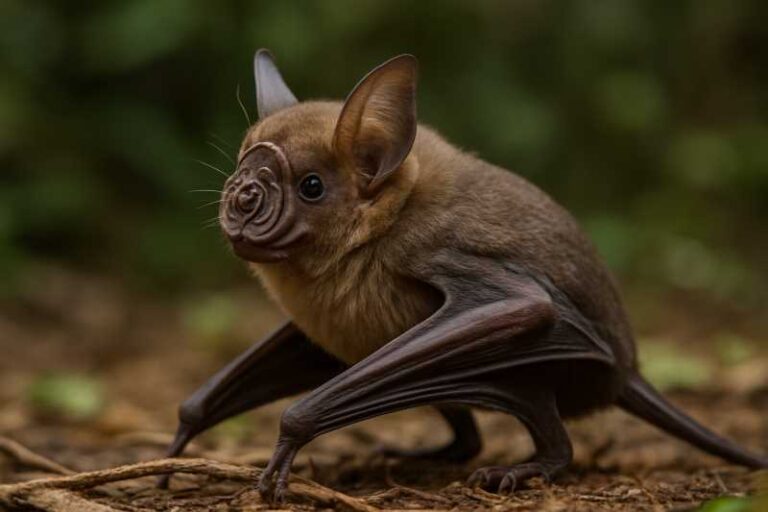
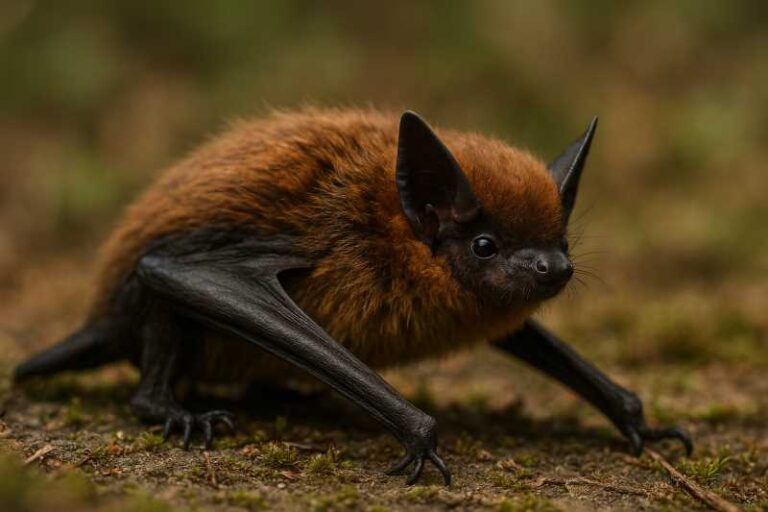
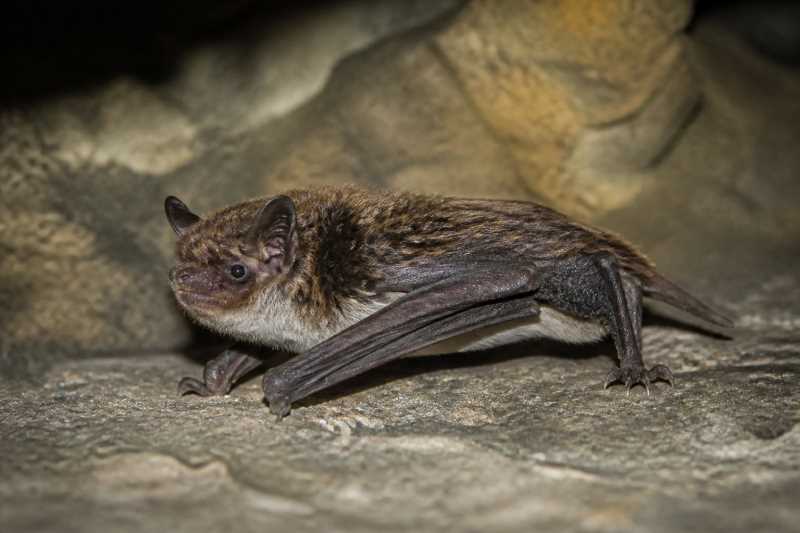
The Cryptic Myotis is a small bat with distinct physical characteristics that aid in its identification. Its fur is generally a dark brown color, providing excellent camouflage against tree bark and cave walls. The underparts are lighter, often exhibiting a grayish hue. One of the distinguishing features of the Cryptic Myotis is its ear shape and size; the ears are relatively large compared to its head and have a rounded tip, which helps differentiate it from other Myotis species.
The wings of the Cryptic Myotis are adapted for agile flight, allowing it to maneuver swiftly through dense forest canopies and narrow cave passages. The wing membranes are dark and slightly translucent, and the tail is fully enclosed within the interfemoral membrane, a typical trait among Myotis bats. Adult Cryptic Myotis typically weigh between 5 to 10 grams and have a forearm length ranging from 35 to 40 millimeters.
Range and Habitat
The range of the Cryptic Myotis is primarily concentrated in parts of Southern and Central Europe, with sightings reported in countries such as Spain, France, and Italy. This species prefers habitats that provide a mix of forested areas and open spaces, which are ideal for foraging and roosting.
Forests with mature trees and an abundance of insects are particularly appealing to the Cryptic Myotis. During the day, these bats roost in tree cavities, under loose bark, or within caves and abandoned buildings that offer shelter and protection from predators. The availability of water bodies such as streams and ponds within their habitat is crucial, as these areas support a rich supply of insect prey.
Behavior and Diet
As a nocturnal species, the Cryptic Myotis exhibits peak activity during the night. Its flight patterns are agile and erratic, designed to maximize its efficiency in capturing prey. The diet of the Cryptic Myotis consists predominantly of insects, with a preference for moths, beetles, and various flying insects.
Echolocation is a vital tool for the Cryptic Myotis, allowing it to navigate and hunt in complete darkness. The species emits high-frequency sound waves that bounce off objects and return as echoes, providing detailed information about the bat’s surroundings and the location of prey. Socially, the Cryptic Myotis may roost in small groups, and during the breeding season, males and females come together in larger colonies.
Identification Tips (Field Recognition Cues)
Identifying the Cryptic Myotis in the field requires attention to several key characteristics:
- Ear Size and Shape: Look for the relatively large and rounded ears.
- Fur Coloration: Note the dark brown fur with lighter underparts.
- Flight Pattern: Observe the bat’s agile and erratic flight.
- Roosting Sites: Check tree cavities, loose bark, and caves.
- Echolocation Calls: Use a bat detector to identify specific frequency patterns.
Conservation Status (with Threats and Protections)
The Cryptic Myotis is currently classified as a species of least concern by the IUCN Red List. However, certain threats could impact its populations if not addressed. Habitat loss due to deforestation and urbanization poses significant risks, as these activities reduce the availability of suitable roosting and foraging sites.
Another major threat is the use of pesticides, which diminishes insect populations and indirectly affects the bat’s food supply. Additionally, human disturbance of roosting sites can lead to stress and decreased reproductive success.
Conservation efforts focus on habitat preservation and restoration. Protecting forested areas, minimizing pesticide use, and maintaining natural roosting sites are crucial strategies. Public education and awareness campaigns also play a role in safeguarding this species.
Frequently Asked Questions
What is the primary diet of the Cryptic Myotis?
The Cryptic Myotis primarily feeds on insects, particularly moths, beetles, and other flying insects. It uses echolocation to detect and capture prey during its nocturnal foraging activities.
Where can the Cryptic Myotis be found?
This species is found in parts of Southern and Central Europe, including countries like Spain, France, and Italy. It favors habitats that offer a mix of forested areas and open spaces.
How can I identify a Cryptic Myotis in the wild?
Look for large, rounded ears and dark brown fur with lighter underparts. Observing their agile flight and using a bat detector to identify specific echolocation calls can also assist in identification.
What threats do Cryptic Myotis face?
Key threats include habitat loss due to deforestation and urbanization, pesticide use that reduces insect populations, and human disturbance of roosting sites.
Are Cryptic Myotis protected by any conservation laws?
While not currently considered endangered, conservation efforts focus on habitat preservation and minimizing threats like pesticide use and habitat disturbance to protect their populations.
Related posts