Introduction
Cook’s Mouse (Mus cookii) is a remarkable species that belongs to the family Muridae, which encompasses a variety of small rodents including the well-known house mouse. Named in honor of British naturalist Albert John Cook, this species is an intriguing subject for mammalogists and wildlife enthusiasts alike. Though lesser-known compared to its urban cousins, Cook’s Mouse plays a significant role in the ecosystems it inhabits. Understanding its physical characteristics, habitat preferences, behavior, diet, and conservation status can provide insights into the ecological balance of the regions it calls home.
Physical Description
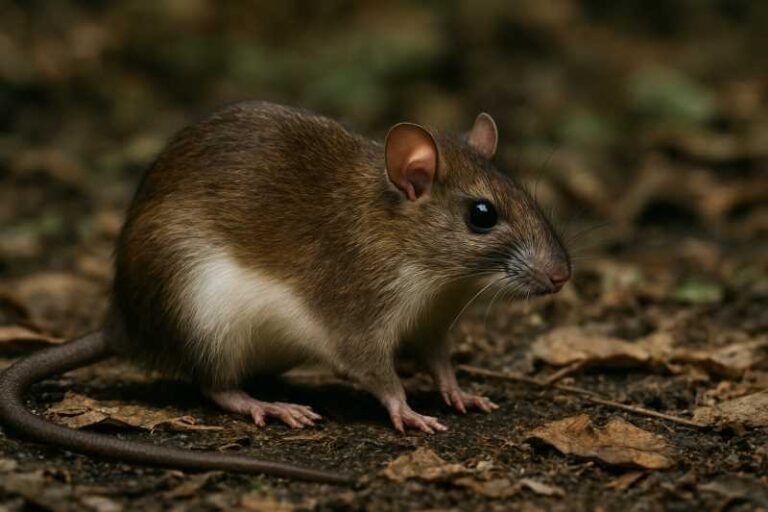
Cook’s Mouse is a small rodent, typically measuring between 6 and 10 centimeters in body length, with a tail that adds another 5 to 9 centimeters. Its weight ranges from 10 to 20 grams, making it a lightweight member of the rodent family. The fur of Cook’s Mouse is generally soft and smooth, with a brownish-gray hue on the dorsal side, and a lighter, often whitish, shade on the ventral side. This coloration provides effective camouflage against predators in its natural habitat. The ears are moderately large and rounded, while the eyes are relatively small but sharp, aiding in their nocturnal lifestyle. Cook’s Mouse also possesses distinctive whiskers that are used for navigation and sensory perception.
Range and Habitat
Cook’s Mouse is primarily found in the South Asian regions, with its range extending across parts of India, Nepal, Bhutan, and Bangladesh. This species favors a variety of habitats, from tropical and subtropical forests to grasslands and agricultural areas. Its adaptability to different environments is one of the reasons for its widespread distribution. However, despite its adaptability, Cook’s Mouse tends to prefer areas with dense vegetation that offer ample cover and food resources. This preference for mixed habitats ensures that the species can exploit a range of food sources while avoiding predators.
Behavior and Diet
Cook’s Mouse is predominantly nocturnal, engaging in most of its activities under the cover of darkness. This behavior reduces the risk of predation and allows the mouse to exploit food resources that are less accessible during the day. It is an omnivorous creature, feeding on a diet that includes seeds, fruits, insects, and small invertebrates. The diet can vary seasonally, depending on the availability of food resources. Social behavior in Cook’s Mouse is typically limited, with individuals often leading solitary lives except during the breeding season. Breeding occurs year-round in favorable conditions, with a gestation period of about 19 to 21 days, resulting in litters of 3 to 8 young.
Identification Tips (Field Recognition Cues)
Identifying Cook’s Mouse in the field can be challenging due to its resemblance to other small rodents. However, certain features can aid in its recognition. Observers should look for the characteristic brownish-gray fur with a lighter underside, the relatively long tail compared to body length, and the presence of whiskers that are notably long. Additionally, its behavior, such as nocturnal activity and preference for densely vegetated areas, can also be indicative. Listening for soft rustling noises in the underbrush during night hours can also be a clue to its presence.
Conservation Status (With Threats and Protections)
Currently, Cook’s Mouse is categorized as Least Concern by the International Union for Conservation of Nature (IUCN). This status is due to its widespread distribution and presumed large population. However, like many species, it faces threats from habitat loss due to deforestation and agricultural expansion. Urbanization also poses a significant threat, reducing the availability of natural habitats. Conservation efforts are primarily focused on habitat preservation and the establishment of protected areas to ensure the survival of this species. Continued research and monitoring are essential to detect any changes in population dynamics that may necessitate a reevaluation of its conservation status.
Frequently Asked Questions
1. What are the primary habitats of Cook’s Mouse? Cook’s Mouse primarily inhabits tropical and subtropical forests, grasslands, and agricultural landscapes in South Asia. It prefers areas with dense vegetation that offer cover and food.
2. How can I differentiate Cook’s Mouse from other rodents? Look for its brownish-gray fur with a lighter underside, long tail relative to its body, and notably long whiskers. Its nocturnal behavior and habitat preferences are also key identification cues.
3. Is Cook’s Mouse endangered? No, Cook’s Mouse is currently classified as Least Concern by the IUCN. However, it faces threats from habitat loss and urbanization, making habitat conservation efforts crucial.
4. What does Cook’s Mouse eat? Cook’s Mouse is omnivorous, consuming seeds, fruits, insects, and small invertebrates. Its diet varies seasonally based on food availability.
5. How does Cook’s Mouse reproduce? Cook’s Mouse breeds year-round under favorable conditions, with a gestation period of 19 to 21 days, producing litters of 3 to 8 offspring.
Related posts