Introduction
The Tanzanian Vlei Rat, scientifically known as Otomys lacustris, is a fascinating mammal species endemic to the East African region, particularly Tanzania. This rodent belongs to the Muridae family, which comprises a wide variety of rat species. Its unique adaptations to high-altitude habitats make it a subject of interest for researchers and wildlife enthusiasts alike. Despite its relatively obscure presence in popular media, the Tanzanian Vlei Rat plays a significant role in its ecosystem, contributing to the biodiversity of the region.
Physical Description
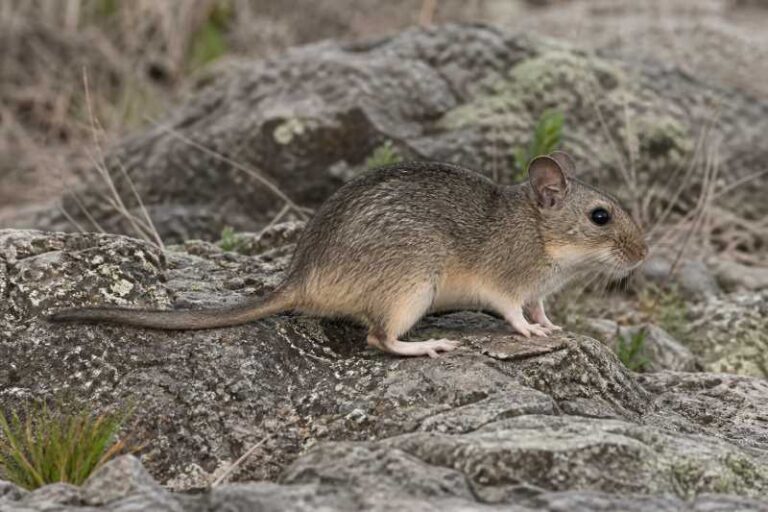
The Tanzanian Vlei Rat is characterized by its robust body and somewhat disproportionate head, which is larger compared to its body size. Adults typically measure between 15 to 22 centimeters in length, not including the tail, which adds an additional 8 to 12 centimeters. The coat is dense and soft, predominantly grayish-brown on the dorsal side, while the ventral side tends to be lighter, often displaying a white or pale gray hue. Its ears are small and rounded, covered with fine hair that helps in thermoregulation.
The species exhibits a stocky build with short limbs, which aids in navigating through its marshy and grassland habitats. The feet are equipped with strong claws, ideal for digging and foraging. Notably, the Tanzanian Vlei Rat has large incisors that grow continuously, a common trait among rodents, which are essential for gnawing through tough vegetation.
Range and Habitat
Otomys lacustris is predominantly found in the highland regions of Tanzania, particularly around the Kilimanjaro and Arusha areas. Its range is defined by its preference for moist, marshy environments that provide ample cover and food resources. These habitats often include grassy wetlands, riverbanks, and the edges of montane forests.
The availability of water in these areas is crucial as it supports the lush vegetation that forms the primary diet of the Tanzanian Vlei Rat. Seasonal changes in rainfall patterns can significantly affect the distribution and population density of this species, with wetter months supporting larger populations due to increased food availability.
Behavior and Diet
The Tanzanian Vlei Rat is primarily nocturnal, becoming active during the cooler hours of dusk and dawn. This behavioral pattern helps it avoid predators and the heat of the day. It is a solitary creature, although it may exhibit social behaviors during the breeding season.
Its diet consists predominantly of grasses, sedges, and other herbaceous plants found in its wetland habitat. The rat uses its sharp incisors to cut through tough plant material, and its digestive system is adapted to process a high-fiber diet. On occasion, it may consume insects and other small invertebrates, especially when plant resources are scarce.
Identification Tips
Field recognition of the Tanzanian Vlei Rat can be challenging due to its elusive nature and nocturnal habits. However, several key features can aid in its identification:
- Size and Build: Look for a medium-sized rodent with a stocky build and short limbs.
- Coat Coloration: The grayish-brown dorsal fur contrasted with a lighter ventral side is distinctive.
- Tail: A relatively short tail when compared to its body length, covered with fine hair.
- Behavior: Nocturnal activity patterns and a tendency to stay close to water sources.
- Habitat: Presence near marshy and grassy areas with abundant plant cover.
Conservation Status
The IUCN Red List currently classifies the Tanzanian Vlei Rat as a species of Least Concern. However, its populations are potentially vulnerable to a variety of threats, primarily habitat destruction and climate change.
Threats:
- Habitat Loss: Agricultural expansion and urban development pose significant threats to its natural habitats.
- Climate Change: Altered rainfall patterns can affect the availability of food and water resources.
- Predation: Natural predators include birds of prey and small carnivores.
Protections:
- Some of its habitats fall within protected areas like national parks and reserves, which offer a degree of protection from human encroachment.
- Conservation efforts focused on wetland management and restoration can enhance habitat quality.
Frequently Asked Questions
1. What is the lifespan of a Tanzanian Vlei Rat?
The Tanzanian Vlei Rat typically lives for about 2 to 3 years in the wild. Its lifespan can be influenced by factors such as predation, food availability, and environmental conditions.
2. Can Tanzanian Vlei Rats be kept as pets?
Tanzanian Vlei Rats are not commonly kept as pets due to their specific habitat needs and nocturnal nature. They are best observed in their natural environment where they can contribute to the ecosystem.
3. How does climate change affect the Tanzanian Vlei Rat?
Climate change can alter the rainfall patterns in their habitats, affecting the availability of food and water. This can lead to population declines if the species cannot adapt quickly enough to changing conditions.
4. What are the main predators of the Tanzanian Vlei Rat?
Their main predators include birds of prey, such as hawks and owls, as well as small carnivorous mammals that inhabit the same regions.
5. How do Tanzanian Vlei Rats contribute to their ecosystem?
As herbivores, they play a role in controlling vegetation growth and serve as prey for various predator species, thus maintaining ecological balance.
Related posts