The Elusive Red-chested Flufftail: A Closer Look at Sarothrura rufa
The Red-chested Flufftail, scientifically known as Sarothrura rufa, is an enigmatic bird that has captured the attention of ornithologists and birdwatchers alike. This small, secretive rail is renowned for its elusive nature and distinct vocalizations, which make it a fascinating subject of study within the avian community. This article delves into the physical characteristics, habitat preferences, behavior, and conservation status of this intriguing species.
Physical Characteristics
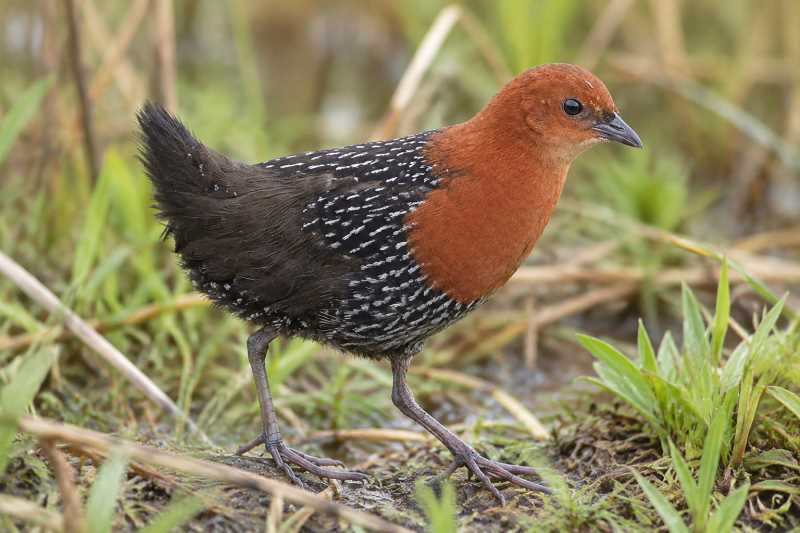
The Red-chested Flufftail is a diminutive bird, measuring approximately 14 centimeters in length. Its most striking feature is its vibrant red chest, which contrasts sharply with its otherwise muted plumage. The rest of its body is predominantly brown, with subtle black barring across the wings and back. The flufftail’s short tail and rounded wings contribute to its unique appearance, while its slender legs are perfectly adapted for navigating its marshy habitat.
Sexual dimorphism is evident in this species, with males showcasing the characteristic red chest, while females exhibit a more subdued coloration, lacking the vivid red hue. This difference in appearance helps field researchers and bird enthusiasts differentiate between the sexes during observations.
Habitat and Distribution
The Red-chested Flufftail inhabits a range of wetland ecosystems across sub-Saharan Africa. Its distribution spans from South Africa in the south to Nigeria and Uganda in the north, encompassing a variety of countries within this vast region. These birds are typically found in marshes, swamps, and wet grasslands, where dense vegetation provides cover and sustenance.
The species exhibits a preference for areas with ample water and dense underbrush, which offer protection from predators and facilitate its elusive lifestyle. Seasonal rainfall patterns influence their habitat selection, with flufftails migrating locally in response to changing water levels and vegetation density.
Behavior and Diet
The Red-chested Flufftail is primarily a ground-dwelling bird, seldom taking to the air except in response to threats. It is known for its secretive behavior, often remaining hidden within thick vegetation. This elusive nature makes it a challenging subject for study, requiring patience and skill from researchers.
Vocal communication plays a vital role in the flufftail’s behavior, particularly during the breeding season. Males are known for their distinctive calls, which consist of a series of low-pitched hoots that serve to attract mates and establish territory. These calls are often heard during dawn and dusk when the birds are most active.
The diet of the Red-chested Flufftail primarily consists of invertebrates such as insects, spiders, and small mollusks. It forages by probing the soft mud with its bill, searching for prey hidden beneath the surface. The bird’s feeding habits are adapted to its wetland environment, where an abundance of invertebrates can be found.
Breeding and Reproduction
Breeding in Red-chested Flufftails is closely tied to the availability of suitable wetland conditions. The nesting period typically coincides with the rainy season when water levels are high, and food resources are abundant. Nests are constructed in dense vegetation, often over water, providing protection against predators and environmental disturbances.
The female is primarily responsible for incubating the eggs, which number between three to five per clutch. The incubation period lasts approximately 18 to 21 days. Upon hatching, the chicks are precocial, meaning they are relatively mature and mobile, allowing them to follow their parents in search of food almost immediately.
Conservation Status and Threats
The International Union for Conservation of Nature (IUCN) currently lists the Red-chested Flufftail as a species of Least Concern. However, like many wetland-dependent species, it faces threats from habitat destruction and degradation. Wetland drainage for agriculture, urbanization, and infrastructure development poses significant risks to the flufftail’s habitats.
Conservation efforts focusing on wetland preservation and sustainable land use practices are essential to safeguarding the future of the Red-chested Flufftail. Protected areas and community-based conservation initiatives play a crucial role in maintaining the integrity of these vital ecosystems.
Conclusion
The Red-chested Flufftail is a captivating bird that continues to intrigue researchers and bird enthusiasts with its secretive behavior and distinctive calls. Understanding its ecological requirements and addressing the threats it faces are vital components of ensuring its continued presence in the wetlands of Africa. As conservation efforts advance, the Red-chested Flufftail serves as a symbol of the broader challenges and opportunities in preserving biodiversity within wetland ecosystems.
Related posts