Introduction
The White-winged Vampire Bat, scientifically known as Diaemus youngii, is one of the three species of vampire bats. Unlike its more infamous relatives, this bat is less studied, yet it plays a fascinating role in the ecosystem. Native to Central and South America, the White-winged Vampire Bat is a unique mammalian species with distinct characteristics and behaviors that capture the interest of zoologists and nature enthusiasts alike. This article delves into the various aspects of the White-winged Vampire Bat, including its physical description, habitat, behavior, and conservation status, providing an in-depth look at this intriguing creature.
Physical Description
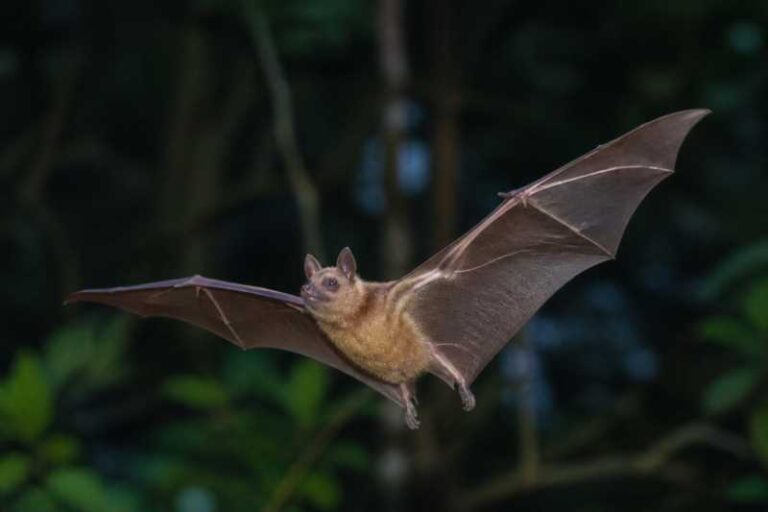
The White-winged Vampire Bat is a small, agile mammal with a wingspan ranging from 30 to 35 centimeters. It is easily distinguishable by its pale white wing membranes, which contrast sharply with its darker body fur. This coloration is not just for aesthetic appeal but serves functional purposes in its natural habitat.
The bat’s fur is generally a shade of brown or gray, providing camouflage among the branches and tree trunks where it roosts. The face of the White-winged Vampire Bat is somewhat flattened, equipped with specialized heat sensors located on the nose, aiding in the detection of blood vessels in its prey. It has sharp, triangular teeth designed specifically for making small incisions in the skin of its host.
Despite its small size, typically weighing only 30 to 40 grams, the White-winged Vampire Bat is a robust and resilient creature, adapted to a life of nocturnal activity and stealthy feeding.
Range and Habitat
The geographic range of the White-winged Vampire Bat extends from southern Mexico through Central America, reaching as far south as northern Argentina. This species thrives in a variety of habitats, including tropical and subtropical forests, savannas, and even semi-arid regions.
These bats prefer habitats with abundant roosting sites, such as tree hollows, caves, and abandoned buildings. The presence of livestock and large mammals is also a driving factor for their habitat selection, as these animals serve as primary feeding sources.
Their adaptability to different environments demonstrates their resilience and ability to coexist with human-modified landscapes, although this can also lead to conflicts with human populations.
Behavior and Diet
The White-winged Vampire Bat is nocturnal, emerging after sunset to embark on its nightly foraging trips. Its feeding behavior is highly specialized and involves a unique method known as "hematophagy," or blood-feeding.
This bat typically feeds on the blood of birds and large mammals, including livestock. Using its heat sensors, the bat identifies a suitable blood vessel near the surface of the skin. It then makes a small incision with its razor-sharp teeth, lapping up the blood with its tongue. Contrary to popular belief, vampire bats do not "suck" blood; rather, they let it flow freely from the wound.
Socially, White-winged Vampire Bats are known for their cooperative nature. They roost in colonies that can range from a few individuals to hundreds. Within these colonies, they exhibit altruistic behaviors, such as sharing food with roost-mates who have been unsuccessful in feeding.
Identification Tips (Field Recognition Cues)
Identifying the White-winged Vampire Bat in the field requires attention to several key features:
- Wing Coloration: Look for the distinctive white wing membranes that contrast with the darker body fur.
- Size and Shape: Note the small size and compact body structure, with a wingspan of 30 to 35 centimeters.
- Facial Features: Observe the flat face with prominent heat sensors on the nose.
- Behavior: Watch for their nocturnal activity and unique flight patterns as they search for food.
Conservation Status (with Threats and Protections)
The International Union for Conservation of Nature (IUCN) currently lists the White-winged Vampire Bat as a species of Least Concern. However, several threats loom over its population.
Threats:
- Habitat Destruction: Deforestation and land conversion for agriculture reduce available roosting sites.
- Human Conflict: Due to its feeding habits, the species can be perceived as a pest to livestock owners, leading to efforts to eradicate them.
- Disease: As potential carriers of rabies, they face threats from disease management programs that involve culling.
Protections:
- Legal Protections: Some countries within its range have implemented laws to protect bat habitats.
- Conservation Efforts: Efforts to educate local communities about the ecological benefits of bats are underway, aiming to reduce human-wildlife conflict.
Frequently Asked Questions
1. What do White-winged Vampire Bats eat? White-winged Vampire Bats primarily feed on the blood of birds and large mammals, including livestock. They use their sharp teeth to make small incisions and lap up the blood with their tongues.
2. Where can White-winged Vampire Bats be found? These bats are found across Central and South America, from southern Mexico to northern Argentina. They inhabit tropical forests, savannas, and areas near livestock.
3. Are White-winged Vampire Bats dangerous to humans? Generally, White-winged Vampire Bats are not dangerous to humans. However, they can carry diseases such as rabies, which is why caution is advised when encountering them.
4. How do White-winged Vampire Bats contribute to the ecosystem? These bats play a crucial role in controlling insect populations and pollinating plants. Their blood-feeding also helps in nutrient recycling within ecosystems.
5. What are the main threats to White-winged Vampire Bats? The main threats include habitat destruction, human conflict due to livestock predation, and disease management programs targeting bat populations.
Related posts