Introduction
The Highland Rice Rat, scientifically known as Casiomys rhabdops, is a fascinating mammal species that captures the interest of both researchers and nature enthusiasts. Found predominantly in select regions, this rodent plays a pivotal role in its ecosystem. As a relatively lesser-known species, the Highland Rice Rat offers unique insights into the biodiversity of its habitat and the ecological dynamics that sustain it. This article delves into the various aspects of the Highland Rice Rat, from its physical characteristics to its behavior, habitat, and conservation status.
Physical Description
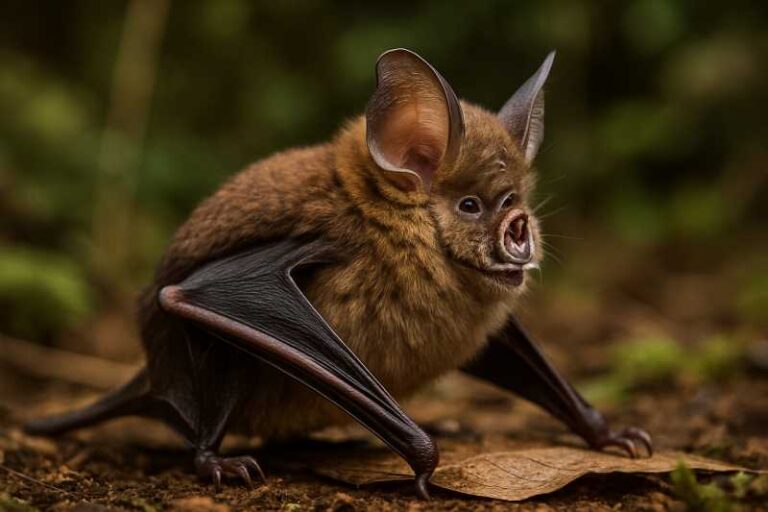
The Highland Rice Rat is a medium-sized rodent, typically measuring between 15 to 20 centimeters in body length, with a tail that adds another 10 to 15 centimeters. Its fur is a distinctive blend of grays and browns, which provides excellent camouflage against the forest floor and dense vegetation of its natural habitat. The underbelly of the Highland Rice Rat is usually lighter, often a soft white or pale gray, providing a subtle contrast to its darker dorsal coloring.
The rat’s ears are relatively small and rounded, a feature that is common among rodents living in cooler, forested environments. Its eyes are large and dark, indicating its nocturnal tendencies and reliance on keen vision to navigate its surroundings at night. The Highland Rice Rat’s whiskers are long and sensitive, aiding in spatial awareness and foraging during low-light conditions.
Range and Habitat
Casiomys rhabdops is primarily found in high-altitude regions, preferring the cool, moist environments of mountainous forests. Its range is limited to certain highland areas, making it an endemic species with a relatively small geographic distribution. These rats thrive in dense underbrush and are often associated with forested areas that provide ample cover and food resources.
The Highland Rice Rat is particularly adapted to live in regions with a high degree of rainfall and humidity, which supports lush vegetation. These habitats not only offer food but also provide protection from predators. The species is known to inhabit regions that range from 1,500 to 3,000 meters above sea level, where temperatures are moderate and human activity is less intrusive.
Behavior and Diet
The Highland Rice Rat is primarily nocturnal, spending its nights foraging for food and its days resting in burrows or nests constructed from leaves and other plant materials. This nocturnal lifestyle helps it avoid many daytime predators.
Diet-wise, the Highland Rice Rat is omnivorous, although it shows a preference for seeds and grains, which are abundant in its natural habitat. It is also known to consume small insects, fruits, and leaves, which provide necessary nutrients for its survival and reproduction. This varied diet helps the species to adapt to seasonal changes in food availability.
Socially, the Highland Rice Rat is a solitary creature, although it may occasionally be seen in loose groups during foraging. Communication among these rats is primarily through scent markings and vocalizations, which play crucial roles during mating seasons and territorial disputes.
Identification Tips (Field Recognition Cues)
Identifying the Highland Rice Rat in the wild requires attention to several key features. First, note the size and coloration of the animal. The combination of its medium size, gray-brown fur, and lighter underbelly are distinctive traits. Additionally, its large eyes and long whiskers are indicative of its nocturnal habits.
Look for these rats in dense, high-altitude forests, particularly in regions with significant underbrush and ground cover. Observing their behavior at night, when they are most active, can also be a useful identification tool. Listen for their high-pitched vocalizations, which are often heard during foraging or in response to threats.
Conservation Status (with Threats and Protections)
The Highland Rice Rat is currently classified as a species of least concern, although its limited range and specialized habitat make it vulnerable to certain threats. Habitat destruction, primarily due to deforestation and human encroachment, poses the most significant risk to its populations.
Conservation efforts focus on protecting its natural habitats through the establishment of protected areas and reserves. These efforts are crucial in ensuring that the species can thrive without the threat of habitat loss. Conservationists also emphasize the importance of environmental education to foster understanding and support for preserving the Highland Rice Rat’s ecosystem.
Frequently Asked Questions
Q1: What do Highland Rice Rats eat?
A1: Highland Rice Rats are omnivorous, feeding on a diet that includes seeds, grains, fruits, leaves, and small insects. Their diet varies with seasonal availability.
Q2: Where can Highland Rice Rats be found?
A2: They are typically found in high-altitude mountainous forests with dense vegetation, ranging from 1,500 to 3,000 meters above sea level.
Q3: Are Highland Rice Rats endangered?
A3: Currently, Highland Rice Rats are classified as a species of least concern, but they face threats from habitat destruction and require habitat protection efforts.
Q4: How can one identify a Highland Rice Rat?
A4: Look for a medium-sized rodent with gray-brown fur, a lighter underbelly, large eyes, and long whiskers. They are most active at night in dense forest areas.
Q5: What is the primary threat to Highland Rice Rats?
A5: The primary threat is habitat destruction due to deforestation and human activities that encroach on their natural habitats.
Related posts