Introduction
The Little Black Serotine, scientifically known as Neoeptesicus andinus, is a fascinating yet often underappreciated species of bat found in specific regions of South America. As a member of the Vespertilionidae family, it is closely related to other serotine bats but distinct in its characteristics and habitat preferences. This article delves into the myriad aspects of the Little Black Serotine, including its physical traits, distribution, behavior, and conservation status. Whether you are a bat enthusiast, a conservationist, or simply curious about unique wildlife, this comprehensive guide provides insightful information about this intriguing mammal species.
Physical Description
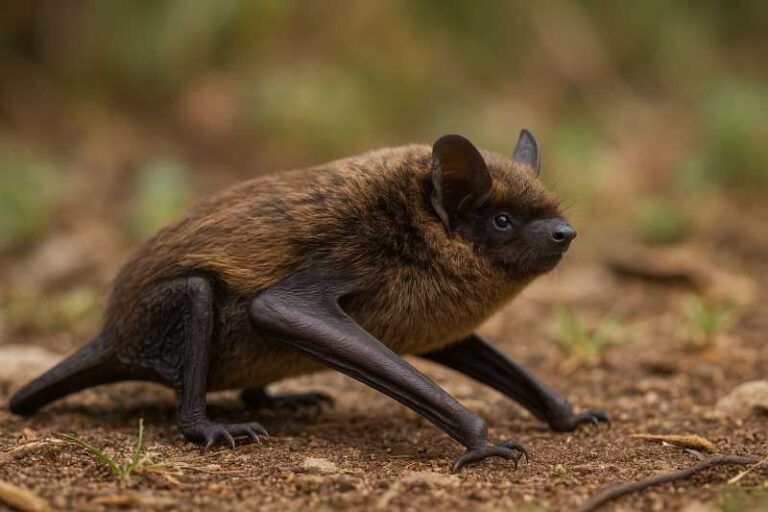
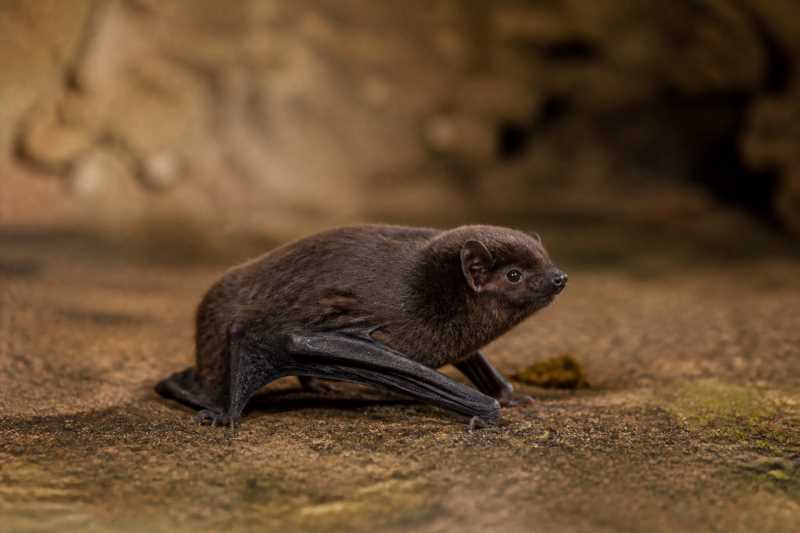
The Little Black Serotine is aptly named for its dark, almost black, fur that covers its body. Adult individuals typically measure between 4 to 5 centimeters in body length, with a wingspan ranging from 20 to 25 centimeters. This species is characterized by its relatively short and broad wings, which facilitate maneuverability during flight. The bat’s fur is dense and silky, providing insulation against varying temperatures in its mountainous habitats. Notably, the ears of the Little Black Serotine are rounded, with a tragus that is slightly curved, aiding in echolocation—a critical adaptation for nocturnal navigation and hunting.
Range and Habitat
The natural range of the Little Black Serotine is restricted to the Andean regions of South America, particularly in countries such as Colombia, Ecuador, and Peru. These bats are typically found at altitudes ranging from 1,500 to 3,000 meters above sea level, where they inhabit montane forests, cloud forests, and occasionally, agricultural areas adjacent to these natural habitats. The preference for such high-altitude environments is largely due to the abundance of insect prey and suitable roosting sites found within these ecosystems. Cavities in trees, crevices in rocky outcrops, and abandoned buildings often serve as roosting sites for this species.
Behavior and Diet
The Little Black Serotine is predominantly nocturnal, emerging from its roosts at dusk to forage for food. Its diet primarily consists of insects, which it catches in mid-flight using its adept echolocation abilities. The bat’s foraging activity is most intense during the first few hours after sunset, tapering off towards midnight. Socially, the Little Black Serotine is known to roost in small colonies, although solitary roosting behavior has also been observed. These colonies provide warmth and protection, especially during the colder months in the Andean regions.
Identification Tips (Field Recognition Cues)
Identifying the Little Black Serotine in the field requires attention to several key characteristics:
- Fur Coloration: Look for the distinctive dark or black fur, which is a key identifying feature.
- Size and Wingspan: Note the small body size (4-5 cm) and relatively large wingspan (20-25 cm).
- Ear Shape: The rounded ears with a curved tragus are indicative of this species.
- Flight Pattern: Observe the bat’s flight; it is typically erratic and fast, adapted for catching insects on the wing.
Conservation Status (with Threats and Protections)
The Little Black Serotine is currently classified as "Least Concern" by the IUCN Red List, but this does not imply immunity to threats. Habitat destruction due to deforestation and agricultural expansion poses significant risks to its survival. Additionally, climate change impacts the availability of insect prey and suitable roosting sites. Conservation measures are essential to ensure the continued survival of this species. Efforts include habitat preservation, establishing protected areas, and conducting further research to monitor population trends and ecological needs.
Frequently Asked Questions
1. Where can I find the Little Black Serotine? The Little Black Serotine is native to the Andean regions of South America, particularly in Colombia, Ecuador, and Peru. It inhabits montane and cloud forests at elevations of 1,500 to 3,000 meters.
2. What does the Little Black Serotine eat? This bat species primarily feeds on insects, which it catches in flight using echolocation. Its diet includes a variety of flying insects that are abundant in its natural habitat.
3. How can I identify a Little Black Serotine in the wild? Look for small bats with dark or black fur, a wingspan of 20-25 cm, and rounded ears. Their erratic, fast flight patterns are also a distinguishing feature.
4. What threats does the Little Black Serotine face? The main threats include habitat destruction from deforestation and agricultural development, as well as climate change, which affects prey availability and roosting conditions.
5. Are there any conservation efforts for the Little Black Serotine? Yes, conservation efforts include habitat protection and monitoring populations. Creating protected areas and conducting ecological research are vital steps in conserving this species.
Related posts