Introduction
The Mediterranean Hare, scientifically known as Lepus mediterraneus, is a fascinating mammal species that inhabits the Mediterranean region. Known for its agility and adaptability, this species plays a significant role in its ecosystem. This article delves into the various aspects of the Mediterranean Hare, offering insights into its physical characteristics, habitat, behavior, and conservation status.
Physical Description
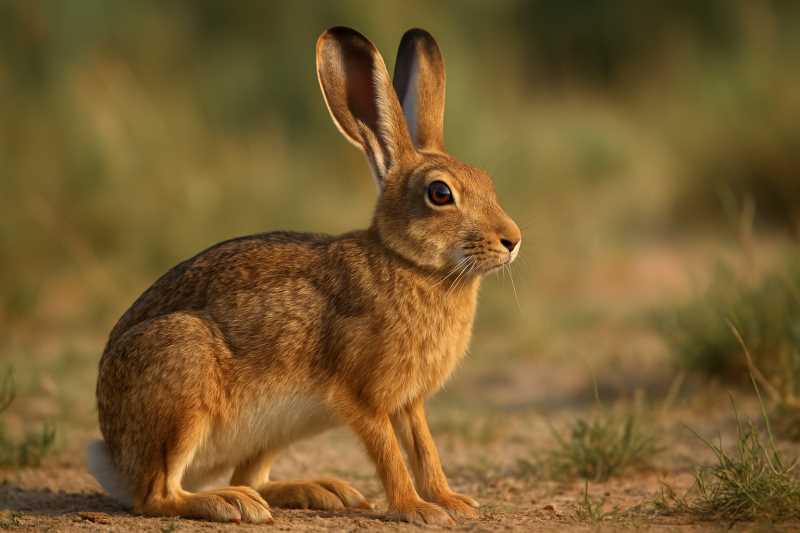
The Mediterranean Hare is a medium-sized mammal characterized by its long ears and strong hind legs. On average, this species weighs between 1.5 to 3.5 kilograms, with a body length ranging from 40 to 70 centimeters. The fur of the Mediterranean Hare is typically a blend of brown and gray, providing excellent camouflage against the rocky and arid landscapes it often inhabits. The underbelly is usually lighter, almost white, which helps in heat regulation.
One of the most distinctive features of the Mediterranean Hare is its large eyes, which are adapted for high levels of visual acuity, crucial for spotting predators from a distance. The ears, which can measure up to 12 centimeters, are not just for hearing but also help in thermoregulation by dissipating excess body heat.
Range and Habitat
The Mediterranean Hare is predominantly found in the coastal and inland regions of the Mediterranean Basin. Its range extends across countries such as Spain, Italy, Greece, and parts of North Africa. These hares favor a variety of habitats, including scrublands, grasslands, and agricultural areas. They are particularly well-adapted to arid and semi-arid environments, where they can be found in rocky terrains and open fields.
Despite their adaptability, the Mediterranean Hare prefers areas with ample cover and vegetation that provide both food sources and protection from predators. The presence of shrubs and bushes is crucial, as these not only offer shade and shelter but also serve as essential foraging grounds.
Behavior and Diet
Mediterranean Hares are primarily crepuscular, meaning they are most active during the dawn and dusk hours. This behavior is a strategic adaptation to avoid the heat of the day and the nocturnal predators that roam the night.
The diet of the Mediterranean Hare is herbivorous, consisting mainly of grasses, herbs, and the leaves of shrubs. During the dry season, when green vegetation is sparse, they may also consume bark, twigs, and other available plant material. Their digestive system is highly efficient, allowing them to extract maximum nutrition from fibrous plant matter.
Socially, Mediterranean Hares are relatively solitary creatures, although they often share their habitat with other hares. During the breeding season, which typically runs from late winter to early summer, they become more social and engage in elaborate courtship rituals.
Identification Tips (Field Recognition Cues)
Identifying a Mediterranean Hare in the wild can be challenging due to its quick movements and excellent camouflage. Here are some tips to help recognize this species:
- Ears and Tail: Look for the distinctive long ears and the black-tipped tail, which is often visible when the hare is in motion.
- Movement: Observe the hare’s movement; Mediterranean Hares are known for their fast, zigzag running pattern, which they use to evade predators.
- Coloration: Note the color and pattern of the fur. The blend of brown and gray with a lighter underbelly is characteristic of this species.
- Habitat: Consider the habitat. If you are in a Mediterranean scrubland or grassland, there is a higher likelihood of encountering this species.
Conservation Status (With Threats and Protections)
The Mediterranean Hare is currently listed as a species of Least Concern by the International Union for Conservation of Nature (IUCN). However, this status does not imply that the species is free from threats.
Threats
- Habitat Loss: Urban expansion and agricultural development have led to significant habitat fragmentation and loss.
- Hunting: In some regions, Mediterranean Hares are hunted for sport and food, although hunting regulations are in place to manage populations.
- Predation: Natural predators such as foxes, birds of prey, and snakes pose a constant threat, particularly to young hares.
Protections
Conservation efforts include the establishment of protected areas and wildlife reserves that safeguard crucial habitats. Additionally, hunting regulations and seasonal bans are enforced in many regions to prevent overhunting and to allow populations to recover.
Frequently Asked Questions
What is the lifespan of a Mediterranean Hare?
The average lifespan of a Mediterranean Hare in the wild is around 3 to 4 years, although they can live longer in areas with fewer predators and abundant resources.
How do Mediterranean Hares adapt to their environment?
Mediterranean Hares have developed several adaptations to thrive in their environment, including camouflaged fur, crepuscular activity patterns, and efficient water conservation mechanisms to survive in arid conditions.
Are Mediterranean Hares endangered?
No, Mediterranean Hares are not currently considered endangered. They are classified as Least Concern, although they face threats from habitat loss and hunting.
What predators do Mediterranean Hares face?
Natural predators of Mediterranean Hares include foxes, birds of prey, snakes, and sometimes domestic animals such as dogs and cats.
Can Mediterranean Hares be found outside the Mediterranean region?
While primarily found in the Mediterranean Basin, some populations of Mediterranean Hares have been reported in neighboring regions, especially in similar habitats.
Related posts