Introduction
The Short-tailed Brucie (Brucepattersonius soricinus) is a fascinating small mammal that continues to intrigue wildlife enthusiasts and researchers alike. This elusive species, belonging to the family Cricetidae, is endemic to South America and remains relatively under-studied compared to other mammals. Its unique characteristics, behaviors, and the ecological role it plays in its habitat make it a subject of significant interest in the zoological community.
The genus Brucepattersonius is named in honor of Dr. Bruce Patterson, a renowned mammalogist who has made substantial contributions to the study of neotropical mammals. The Short-tailed Brucie is one of several species within this genus, each adapted to specific ecological niches.
Physical Description
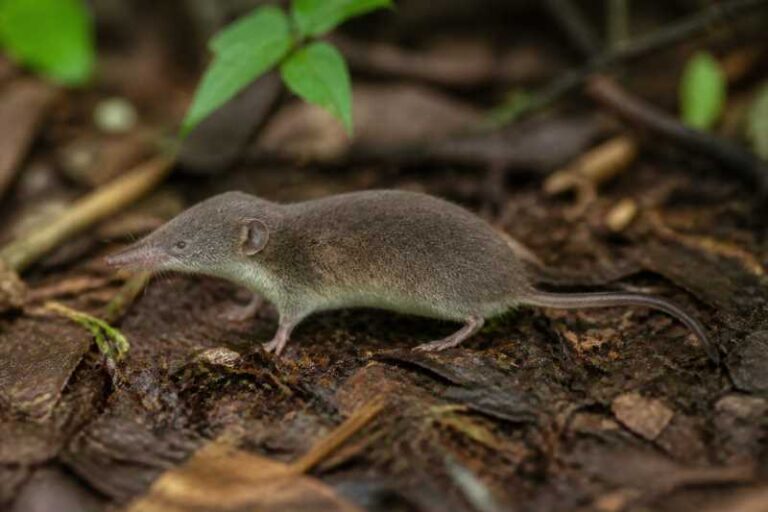
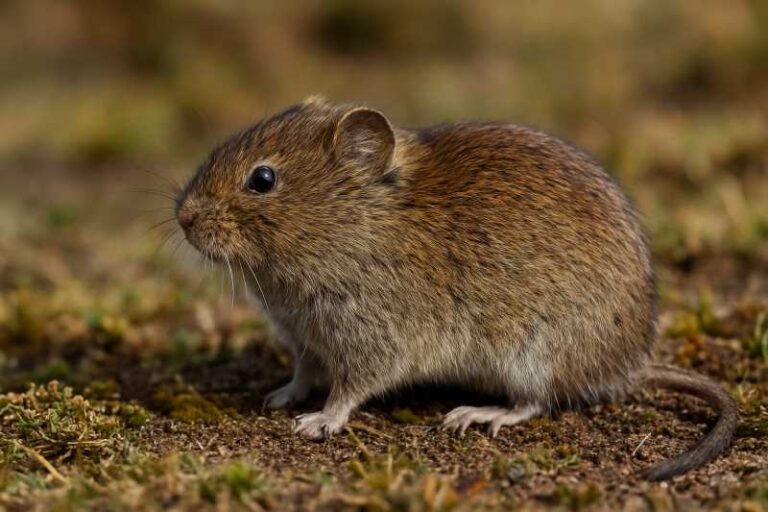
The Short-tailed Brucie is a small rodent, typically characterized by its distinctively short tail, which is markedly shorter than its body length. This species exhibits a compact and robust body structure, adapted for its terrestrial lifestyle. Adults generally weigh between 20 to 35 grams, with a body length ranging from 80 to 120 millimeters.
Its fur is dense and soft, providing insulation against varying temperatures in its habitat. The dorsal coloration ranges from grayish-brown to dark brown, while the ventral side is usually lighter, often appearing white or cream-colored. The Short-tailed Brucie has small, rounded ears and a slightly pointed snout, features that are typical of small rodents adapted to a ground-dwelling existence.
The eyes of the Short-tailed Brucie are relatively small, suggesting a reliance on other senses rather than vision to navigate its environment. Its feet are well-adapted for digging and foraging, with sharp claws that enable it to maneuver through dense underbrush and soil.
Range and Habitat
The Short-tailed Brucie is primarily found in the Atlantic Forest region of southeastern Brazil, though its range may extend into adjacent areas. This biome is characterized by high biodiversity and endemism, making it a critical area for conservation efforts.
Within the Atlantic Forest, the Short-tailed Brucie prefers dense, humid forest environments, often near streams or other water sources. It thrives in areas with abundant ground cover, which provides protection from predators and harsh weather conditions. The species has also been observed in secondary forests and disturbed habitats, demonstrating some degree of adaptability to environmental changes.
Behavior and Diet
The Short-tailed Brucie is primarily nocturnal, with peak activity occurring during the night. This behavior helps minimize predation risks from diurnal predators. During the day, it remains hidden in burrows or dense vegetation, emerging at night to forage.
Its diet is omnivorous, consisting of a variety of plant material, seeds, insects, and other small invertebrates. This varied diet allows the Short-tailed Brucie to adapt to seasonal changes in food availability. Foraging behavior involves using its sharp claws and sensitive snout to search through leaf litter and soil.
Social behavior in the Short-tailed Brucie is not well-documented, but it is believed to be solitary or to live in small family groups. Communication likely involves a combination of vocalizations, scent marking, and possibly tactile interactions.
Identification Tips
Identifying the Short-tailed Brucie in the field requires attention to several key features:
- Tail Length: The most distinguishing feature is the short tail, which is significantly shorter than the body length.
- Fur Coloration: Look for the contrast between the dark dorsal fur and lighter ventral side.
- Size: Note the small body size, typically no larger than 120 mm in length.
- Habitat: Presence in dense, humid forest environments, often near water sources, can be an indicator.
- Behavior: Nocturnal activity patterns and ground-dwelling habits can help distinguish this species from similar rodents.
Conservation Status
The Short-tailed Brucie is currently classified as Data Deficient by the International Union for Conservation of Nature (IUCN), due to the lack of comprehensive data on its population size and distribution. However, it faces several threats that could impact its survival.
Threats:
- Habitat Loss: Deforestation and habitat fragmentation in the Atlantic Forest significantly threaten the Short-tailed Brucie’s habitat.
- Climate Change: Alterations in temperature and precipitation patterns could affect food availability and habitat conditions.
- Predation: Introduction of non-native predators and increased predation pressure from domestic animals.
Protections:
Efforts to conserve the Short-tailed Brucie include:
- Protected Areas: Establishment and enforcement of protected areas within the Atlantic Forest.
- Research Initiatives: Ongoing research to better understand its ecology and population dynamics.
- Community Engagement: Involving local communities in conservation efforts to promote sustainable land use practices.
Frequently Asked Questions
What is the Short-tailed Brucie’s primary habitat?
The Short-tailed Brucie primarily inhabits the dense, humid forests of the Atlantic Forest in southeastern Brazil. It thrives in areas with abundant ground cover and proximity to water sources.
How can I identify a Short-tailed Brucie in the wild?
Key identification features include its short tail, small size, and the contrast between its dark dorsal fur and lighter ventral side. Observing its nocturnal behavior in suitable habitats can also aid identification.
What threats does the Short-tailed Brucie face?
Major threats include habitat loss due to deforestation, climate change impacts, and predation pressure from both native and non-native species.
Are there conservation efforts in place for the Short-tailed Brucie?
Yes, conservation efforts include the establishment of protected areas, ongoing research to understand its ecology, and community engagement to promote sustainable land use practices.
Is the Short-tailed Brucie a solitary animal?
While specific social behaviors are not well-documented, it is believed that the Short-tailed Brucie is primarily solitary or may live in small family groups.
Related posts