Ashaninka Oldfield Mouse (Thomasomys onkiro)
Introduction
The Ashaninka Oldfield Mouse, scientifically named Thomasomys onkiro, is a fascinating mammalian species belonging to the family Cricetidae. This elusive rodent is native to South America and has garnered attention for its unique ecological role and adaptation to its environment. Despite its relative obscurity, the Ashaninka Oldfield Mouse holds significant importance in the biodiversity of its habitat. This article delves into various aspects of this species, including its physical description, range and habitat, behavior and diet, identification tips, conservation status, and answers to frequently asked questions.
Physical Description
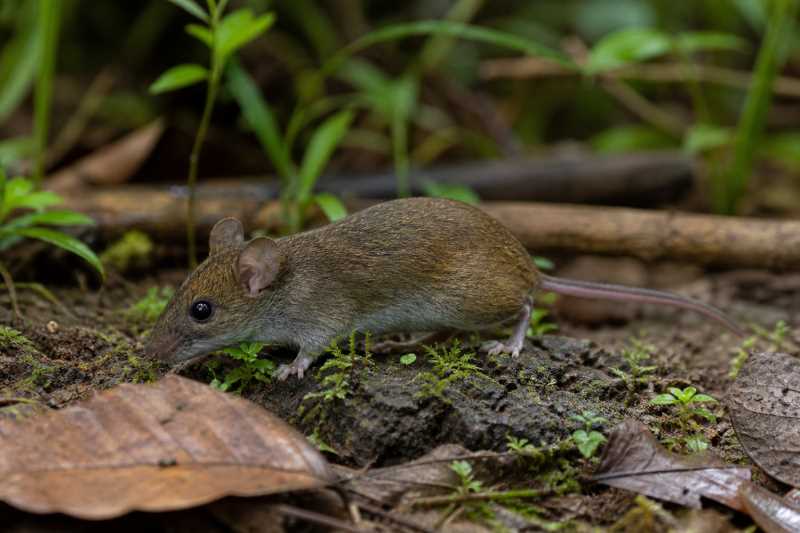
The Ashaninka Oldfield Mouse is a small rodent characterized by its distinct morphological features. Typically, these mice have a body length ranging from 8 to 12 centimeters, with a tail that often measures slightly longer than the body, providing balance and agility. Their fur is soft and dense, usually exhibiting a brownish-gray coloration on the dorsal side, which serves as camouflage against the forest floor. The ventral side is lighter, often a shade of white or pale gray.
The mouse’s ears are moderately sized, rounded, and covered with fine fur, aiding in thermoregulation and sound detection. Their eyes are relatively large, reflecting their nocturnal lifestyle, which necessitates keen vision in low-light conditions. The whiskers are long and sensitive, playing a crucial role in navigating through dense underbrush.
Range and Habitat
Thomasomys onkiro is predominantly found in the montane forests of the eastern Andes, particularly within Peru’s lush landscapes. Its range is largely confined to these high-altitude regions, where the dense vegetation and varied topography create a complex ecosystem. The species thrives in cloud forests, characterized by high humidity and frequent mists, which contribute to the rich biodiversity of the area.
These mice are typically found at elevations ranging from 1,500 to 3,000 meters. The habitat provides ample cover and food resources, making it an ideal environment for the Ashaninka Oldfield Mouse. The forest floor, littered with leaves and twigs, offers protection and materials for nesting.
Behavior and Diet
The Ashaninka Oldfield Mouse is primarily nocturnal, engaging in most of its activities under the cover of darkness. This behavior reduces predation risks while allowing it to exploit food resources with less competition. The mouse is solitary by nature, with individuals occupying and defending small territories.
In terms of diet, Thomasomys onkiro is omnivorous. Its feeding habits include consuming a variety of seeds, fruits, insects, and occasionally small invertebrates. This dietary flexibility enables the species to adapt to seasonal changes in food availability, a critical factor for survival in the variable mountain climate.
Identification Tips (Field Recognition Cues)
Field identification of the Ashaninka Oldfield Mouse can be challenging due to its elusive nature and the dense habitat it occupies. However, several key features can aid in its recognition:
- Size and Shape: Look for a small rodent with a body length of 8–12 cm and a long tail.
- Fur Coloration: Note the brownish-gray dorsal fur with a lighter ventral side.
- Ears and Eyes: The mouse has moderately sized, rounded ears and large eyes, suitable for nocturnal activity.
- Behavior: Observe nocturnal activity patterns and solitary behavior if sighted at night.
- Habitat: Focus on high-altitude montane and cloud forests during field excursions.
Conservation Status (With Threats and Protections)
The Ashaninka Oldfield Mouse is currently classified as "Data Deficient" by the International Union for Conservation of Nature (IUCN). This designation highlights the need for more comprehensive research to determine population trends and threats.
Threats
- Habitat Destruction: Deforestation for agriculture and infrastructure development poses a significant threat to its forest habitat.
- Climate Change: Alterations in climate patterns can affect the delicate balance of the montane ecosystems.
- Predation: Natural predators include birds of prey and larger mammals.
Protections
Conservation efforts are primarily focused on preserving the cloud forest ecosystems. Protected areas and national parks within Peru play a crucial role in safeguarding these habitats. Continued research and monitoring are essential to develop effective conservation strategies.
Frequently Asked Questions
What is the natural habitat of the Ashaninka Oldfield Mouse?
The Ashaninka Oldfield Mouse is native to the montane and cloud forests of the eastern Andes in Peru, thriving at elevations between 1,500 and 3,000 meters.
How can you identify an Ashaninka Oldfield Mouse in the wild?
Key identification features include its small size, brownish-gray dorsal fur, long tail, large eyes, and nocturnal behavior, primarily found in high-altitude forested areas.
What are the primary threats to the Ashaninka Oldfield Mouse?
The main threats include habitat destruction due to deforestation, climate change impacts, and natural predation.
Why is the Ashaninka Oldfield Mouse important for its ecosystem?
As both a consumer of seeds and insects, the Ashaninka Oldfield Mouse plays a crucial role in seed dispersal and maintaining insect population balance within its habitat.
What conservation measures are in place to protect the Ashaninka Oldfield Mouse?
Conservation measures include habitat protection through national parks and reserves, along with ongoing research to better understand and mitigate threats.
Related posts