Introduction
The Amur Hedgehog, scientifically known as Erinaceus amurensis, is a remarkable species of hedgehog native to various parts of Asia. Often recognized for its spiny coat and distinctive foraging habits, this species plays a vital role in its ecosystem. With an expanding range and unique adaptations to its environment, the Amur Hedgehog offers fascinating insights into the diversity and resilience of mammalian wildlife.
Physical Description
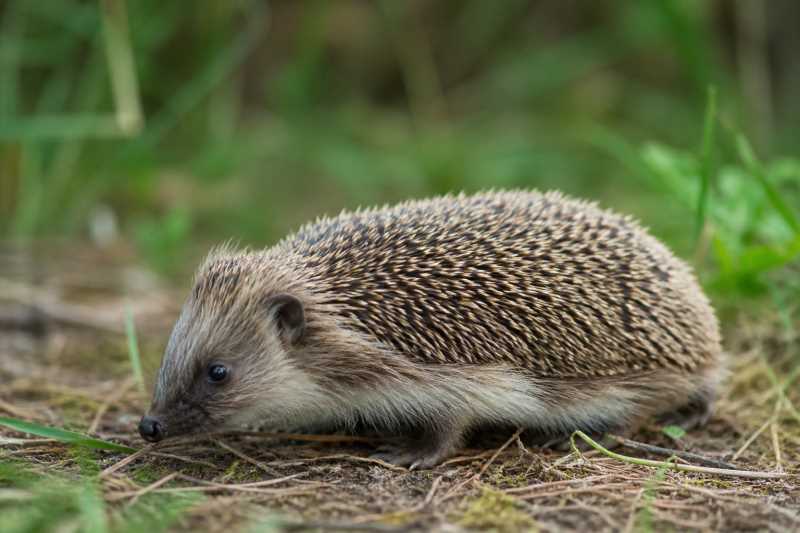
The Amur Hedgehog is relatively small, with adults typically measuring between 18 to 30 centimeters in length and weighing about 600 to 1,200 grams. This species is characterized by its dense covering of spines, which are modified hairs made of keratin. These spines provide crucial protection against predators. Unlike their European counterparts, Amur Hedgehogs possess a slightly elongated snout and larger ears, adaptations that aid in their nocturnal lifestyle.
The coloration of their spines varies, usually presenting a base color of brown with lighter tips, which offers excellent camouflage among the leaf litter and underbrush of their natural habitat. Their underbellies are covered in coarse fur, which is typically a lighter shade of brown or gray.
Range and Habitat
Amur Hedgehogs are primarily found across northeastern Asia, with a range that includes areas of Russia, China, and the Korean Peninsula. They thrive in diverse habitats ranging from dense forests to grasslands and are known to inhabit both lowlands and mountainous regions.
These hedgehogs favor environments that offer ample cover and food resources, such as woodlands with rich undergrowth and agricultural areas where insects are abundant. They are adept at adapting to human-altered landscapes, often found on the edges of farmland and rural settlements where they forage for food.
Behavior and Diet
Primarily nocturnal, Amur Hedgehogs spend their nights foraging for food and their days resting in well-concealed nests made of leaves and grasses. Their diet is omnivorous, with a strong preference for insects such as beetles, caterpillars, and worms. However, they are opportunistic feeders and will consume a variety of foods including fruits, small vertebrates, and occasionally carrion.
During colder months, these hedgehogs enter a state of hibernation, significantly reducing their metabolic rate to conserve energy in response to reduced food availability. This period of dormancy is crucial for their survival in regions with harsh winters.
Identification Tips (Field Recognition Cues)
Identifying an Amur Hedgehog in the wild can be challenging due to their nocturnal nature and preference for secluded habitats. However, there are several field recognition cues to aid in identification:
- Size and Shape: Look for a small, rounded mammal with a dense covering of spines and a snout that is longer than that of other hedgehog species.
- Coloration: Note the brown spines with lighter tips and a lighter-colored underbelly.
- Tracks and Signs: Hedgehog tracks are small with five toes, and their presence might also be indicated by droppings or disturbed leaf litter.
- Behavior: Listen for rustling sounds at night, which may indicate foraging activity.
Conservation Status (With Threats and Protections)
The Amur Hedgehog is currently classified as a species of Least Concern by the International Union for Conservation of Nature (IUCN). However, like many wildlife species, they face threats from habitat destruction, road traffic, and predation by domestic animals.
Conservation efforts focus on habitat preservation and public awareness campaigns to reduce human-wildlife conflicts. Protected areas within their range offer some refuge, yet ongoing monitoring and research are essential to ensure their continued survival in the face of environmental changes.
Frequently Asked Questions
Why is this species unique?
The Amur Hedgehog is unique due to its adaptability to various environments, including human-altered landscapes. Its ability to thrive in diverse habitats and its nocturnal lifestyle make it an interesting subject of study for understanding mammalian adaptation and resilience.
How do Amur Hedgehogs protect themselves?
Amur Hedgehogs rely on their spiny coats as their primary defense mechanism. When threatened, they curl into a tight ball, exposing only their spines to potential predators. This behavior, combined with their camouflage, provides effective protection in the wild.
What role do Amur Hedgehogs play in their ecosystem?
As insectivores, Amur Hedgehogs help control insect populations, contributing to the balance of their ecosystems. Their foraging behavior also aids in soil aeration and seed dispersion, promoting healthy plant growth and ecological diversity.
Are Amur Hedgehogs solitary animals?
Yes, Amur Hedgehogs are generally solitary, coming together only for breeding purposes. They are territorial and maintain their own foraging ranges, which they defend from other hedgehogs.
How can I help protect the Amur Hedgehog?
Supporting local conservation efforts, advocating for habitat preservation, and reducing pesticide use in gardens and farms can help protect Amur Hedgehogs. Public education and awareness can also contribute to their conservation by reducing human-wildlife conflicts.
Related posts