Introduction
The Cape Short-tailed Gerbil, scientifically known as Desmodillus auricularis, is a fascinating mammal species that captivates the interest of both researchers and wildlife enthusiasts. Known for its distinctive characteristics and adaptability to arid environments, this gerbil species is a vital component of its ecosystem. This comprehensive article delves into various aspects of the Cape Short-tailed Gerbil, including its physical description, habitat, behavior, diet, and conservation status, providing readers with a detailed understanding of this intriguing species.
Physical Description
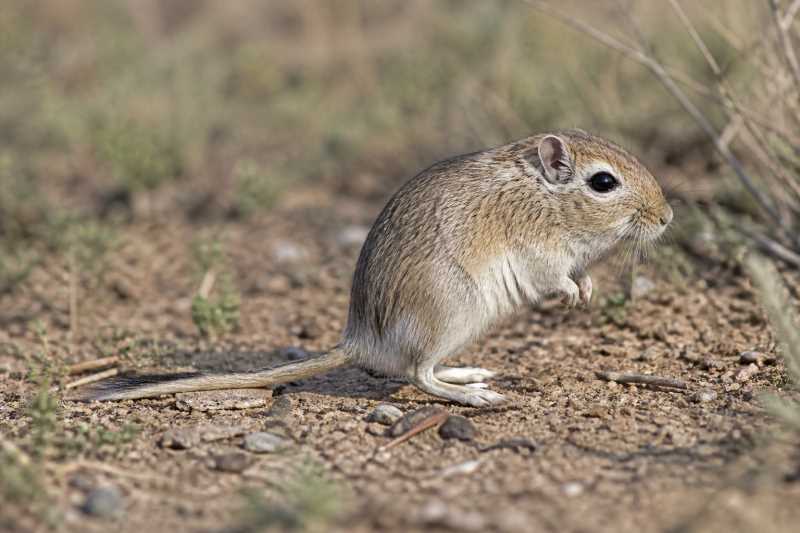
The Cape Short-tailed Gerbil is a small rodent characterized by its compact body and distinctive short tail, which measures approximately half the length of its body. Adult gerbils typically weigh between 40 to 55 grams and measure around 9 to 13 centimeters in body length. Their fur is soft and dense, exhibiting a sandy or light brown color that provides excellent camouflage against the sandy habitats they often inhabit. The underbelly is usually lighter, often white or cream-colored. One of the most striking features of the Cape Short-tailed Gerbil is its large, rounded ears, which are adapted for dissipating heat and enhancing auditory capabilities, crucial for detecting predators in the wild.
Range and Habitat
The Cape Short-tailed Gerbil is native to Southern Africa, with its range extending across Namibia, Botswana, South Africa, and parts of Angola. These gerbils are well-adapted to arid and semi-arid environments, predominantly inhabiting sandy plains, dry savannas, and desert margins. They are often found in regions with sparse vegetation, where they can easily dig burrows in loose soil. These burrows serve as shelters from extreme temperatures and predators, as well as storage for food.
Behavior and Diet
Cape Short-tailed Gerbils are primarily nocturnal, meaning they are most active during the night. This behavior helps them avoid the harsh daytime temperatures of their arid habitat. They are known for their digging abilities, constructing extensive networks of burrows that can reach depths of up to one meter. These burrows not only provide refuge but also help regulate body temperature.
In terms of diet, Cape Short-tailed Gerbils are omnivorous. They feed on a variety of seeds, grains, and plant material, supplementing their diet with insects and small invertebrates. This varied diet enables them to thrive in environments where food resources can be scarce.
Identification Tips
Field identification of the Cape Short-tailed Gerbil can be achieved by noting several key features:
- Look for a small rodent with a short tail relative to its body size.
- Observe the large, rounded ears which are distinctive compared to other gerbil species.
- The fur coloration is typically sandy or light brown, aiding in its camouflage.
- Notice the nocturnal activity pattern; they are rarely seen during the day.
Conservation Status
The Cape Short-tailed Gerbil is currently classified as "Least Concern" by the International Union for Conservation of Nature (IUCN). This status reflects the species’ wide distribution and presumed large population size. However, like many species, they face threats from habitat destruction due to agricultural expansion and human encroachment. Additionally, climate change poses a long-term threat through altering their natural habitat.
Conservation efforts focus on habitat preservation and monitoring population trends to ensure that this species remains abundant and secure in its natural environment.
Frequently Asked Questions
What is the typical lifespan of a Cape Short-tailed Gerbil?
Cape Short-tailed Gerbils typically live for about 2 to 4 years in the wild, although their lifespan can be slightly longer in captivity due to the absence of predators and controlled environmental conditions.
How do Cape Short-tailed Gerbils communicate?
These gerbils communicate through a combination of vocalizations, scent markings, and body language. Their large ears enhance their ability to detect sounds, which is crucial for both communication and predator avoidance.
Are Cape Short-tailed Gerbils social animals?
Cape Short-tailed Gerbils are generally solitary creatures, coming together primarily for mating purposes. However, they may occasionally be found in small family groups or pairs.
What adaptations help Cape Short-tailed Gerbils survive in arid environments?
Adaptations include their nocturnal lifestyle, which helps avoid daytime heat, large ears for heat dissipation, and burrowing behavior that provides shelter and food storage.
How can I help in conserving the Cape Short-tailed Gerbil?
Supporting habitat conservation initiatives and sustainable agricultural practices can help protect the natural environments that Cape Short-tailed Gerbils and other wildlife depend on.
Related posts