Introduction
Hinde’s Lesser House Bat, scientifically named Scotoecus hindei, is a fascinating species of bat that belongs to the Vespertilionidae family. Known for its elusive nature and understudied habits, this bat species plays a crucial role in its ecosystem as an insect predator, contributing to pest control and maintaining ecological balance. Despite its significance, much about its life remains a mystery, making it an intriguing subject of study for bat enthusiasts and researchers alike.
Physical Description
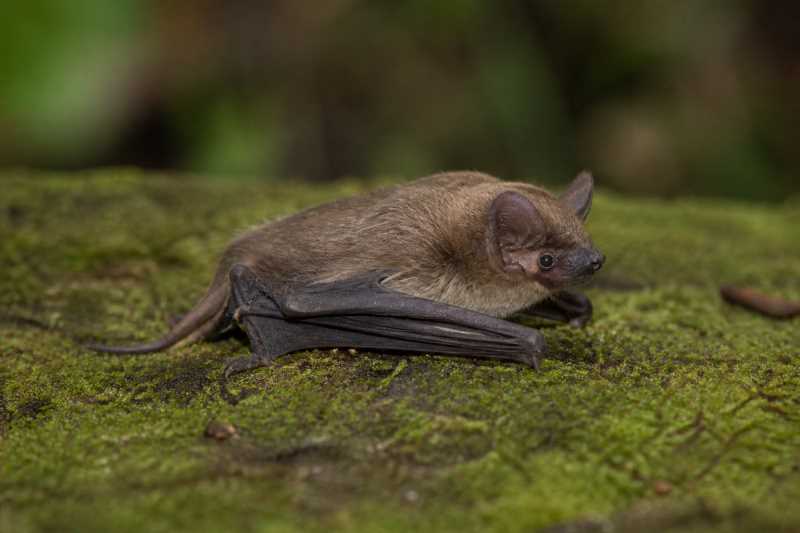
Hinde’s Lesser House Bat is characterized by its small size and distinctive features that aid in its nocturnal lifestyle. Typically, this bat has a wingspan of approximately 22 to 25 centimeters and weighs between 5 to 10 grams. Its fur is usually a dark brown or grayish hue, providing excellent camouflage against the bark of trees during the day.
The bat’s ears are moderately sized, with a tragus that is slightly curved, allowing it to efficiently navigate and hunt using echolocation. Its face is relatively flat with a small, upturned nose, which is common among species within this genus. The wings are long and narrow, adapted for agile flight patterns that enable it to maneuver through dense vegetation while hunting.
Range and Habitat
Hinde’s Lesser House Bat is primarily found in sub-Saharan Africa, with its range extending across countries such as Kenya, Tanzania, Uganda, and parts of the Democratic Republic of the Congo. Its habitat preferences include savannas, open woodlands, and areas near water bodies, where insect populations are abundant.
These bats are known to roost in a variety of structures, including tree hollows, caves, and man-made buildings. The adaptability to roost in human structures is one of the reasons why they can sometimes be found in close proximity to human settlements. Despite this, they remain largely unnoticed due to their nocturnal habits and quiet demeanor.
Behavior and Diet
Hinde’s Lesser House Bat is primarily nocturnal, emerging at dusk to begin its nightly foraging activities. It is an insectivorous species, feeding on a diet composed mainly of moths, beetles, and other small flying insects. The bat employs echolocation to detect and capture prey, emitting high-frequency sounds that bounce off objects and return to its sensitive ears, allowing it to precisely locate its targets.
These bats are solitary hunters but may be seen in small groups during the roosting period. Breeding occurs seasonally, with a typical litter size of one to two pups, which are born during the warmer months when insect prey is most plentiful. The maternal care is extended, with the female nurturing the young until they are capable of independent flight and hunting.
Identification Tips (Field Recognition Cues)
Identifying Hinde’s Lesser House Bat in the field can be challenging due to its small size and nocturnal nature. However, certain cues can assist:
- Size and Coloration: Look for a small bat with dark brown or gray fur, which blends well with its surroundings.
- Flight Pattern: Observe the bat’s agile and erratic flight as it navigates through wooded areas, a signature of its hunting behavior.
- Echolocation Calls: Use a bat detector to pick up its high-frequency echolocation calls, typically ranging from 40 to 50 kHz.
- Roosting Sites: Check tree hollows and quiet, dark corners of buildings where these bats might roost during the day.
Conservation Status (with Threats and Protections)
Currently, Hinde’s Lesser House Bat is classified as ‘Data Deficient’ by the International Union for Conservation of Nature (IUCN), indicating that there is insufficient information on its population trends and threats. However, it faces several potential threats that could impact its survival.
Threats
- Habitat Destruction: Deforestation and land conversion for agriculture and urban development reduce available roosting and foraging habitats.
- Pesticide Use: Widespread use of agricultural pesticides can significantly reduce insect populations, depriving these bats of their primary food source.
- Climate Change: Altered weather patterns may affect insect abundance and the bats’ breeding cycles.
Protections
Efforts to protect Hinde’s Lesser House Bat include habitat conservation initiatives and environmental education programs to raise awareness of the ecological benefits of bats. Establishing protected areas and promoting sustainable land-use practices are critical steps in ensuring the survival of this species.
Frequently Asked Questions
What is the primary diet of Hinde’s Lesser House Bat?
Hinde’s Lesser House Bat primarily feeds on insects, including moths and beetles, which it captures using echolocation during nighttime foraging.
How can I identify Hinde’s Lesser House Bat in the wild?
Identification can be aided by observing its small size, dark fur, agile flight patterns, and detecting its echolocation calls using a bat detector.
What conservation measures are in place for Hinde’s Lesser House Bat?
Conservation measures focus on habitat preservation, reducing pesticide use, and raising public awareness about the ecological importance of bats.
Where is Hinde’s Lesser House Bat commonly found?
This bat species is found in sub-Saharan Africa, particularly in savannas, open woodlands, and areas near water bodies.
Are Hinde’s Lesser House Bats dangerous to humans?
Hinde’s Lesser House Bats are not dangerous to humans. They are shy creatures and provide valuable insect control, benefiting agricultural areas.
Related posts