Introduction
The Serrano Bristly Mouse, scientifically known as Neacomys serranensis, is a fascinating rodent species endemic to South America. This small mammal is part of the Cricetidae family and is notable for its unique bristly fur. Found primarily in the lush highland forests, this species contributes to the rich biodiversity of its ecosystem. Understanding the characteristics and habits of the Serrano Bristly Mouse is crucial for its conservation and the protection of its natural habitat.
Physical Description
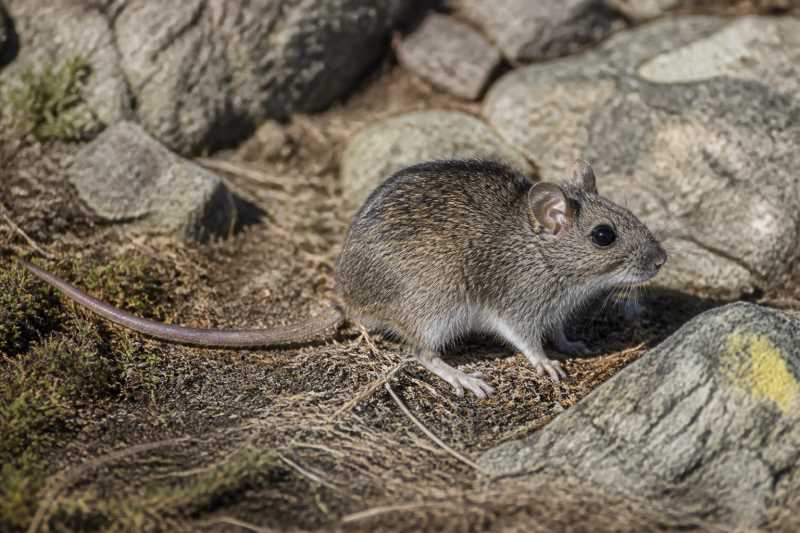
The Serrano Bristly Mouse is a small rodent, averaging between 8 to 12 centimeters in body length, with an additional tail length of approximately 6 to 10 centimeters. Its weight typically ranges from 15 to 30 grams. The species is named for its distinctive bristly fur, which appears coarse and spiky to the touch. The fur is generally a mix of brown and gray shades, providing effective camouflage against the forest floor. The mouse has a pointed snout, large ears, and sharp eyes, which are adaptations for its nocturnal lifestyle. Its tail is covered with fine scales and sparse hair, aiding in balance and agility.
Range and Habitat
Neacomys serranensis is primarily found in the mountainous regions of northern South America, including parts of Colombia and Venezuela. It thrives in subtropical and tropical moist montane forests, particularly at elevations ranging from 1,200 to 3,000 meters above sea level. These dense forests provide ample cover and resources, such as food and nesting sites. The Serrano Bristly Mouse is an adaptable species, capable of surviving in both primary forests and secondary growth, showing some resilience to habitat disturbance.
Behavior and Diet
The Serrano Bristly Mouse is predominantly nocturnal, spending its nights foraging for food. Its diet is omnivorous, consisting of seeds, fruits, insects, and other small invertebrates. This varied diet allows it to adapt to the changing availability of food resources in its habitat. The species is solitary, with individuals maintaining distinct territories. Communication is likely achieved through scent marking and vocalizations, though detailed studies on their social behavior are limited.
Reproduction occurs throughout the year, with females giving birth to litters of two to four young after a gestation period of about 30 days. The young are weaned by the age of three weeks and reach sexual maturity at around two months.
Identification Tips (Field Recognition Cues)
Identifying the Serrano Bristly Mouse in the wild can be challenging due to its elusive nature and nocturnal habits. However, there are several field recognition cues that can aid in its identification:
- Bristly Fur: The most distinctive feature is its spiky, bristly fur, which sets it apart from other small rodents in its range.
- Tail Length: The tail is nearly as long as the body and is sparsely haired, which helps in differentiating it from similar species.
- Habitat Location: Observing the mouse in its preferred montane forest habitat at appropriate elevations increases the likelihood of correct identification.
- Behavioral Patterns: Noting nocturnal activity and solitary behavior can also assist in distinguishing it from other rodents.
Conservation Status (with Threats and Protections)
The Serrano Bristly Mouse is currently listed as Least Concern on the IUCN Red List. However, its populations are subject to several threats that could impact its long-term survival. The primary threat is habitat loss due to deforestation for agriculture, logging, and human settlement expansion. Climate change poses an additional risk, potentially altering the montane ecosystems on which the mouse depends.
Conservation measures are essential to protect this species and its habitat. Efforts include the establishment of protected areas and conservation programs focused on preserving montane forest ecosystems. Additionally, research initiatives aimed at understanding the species’ ecology and population dynamics are critical for informed conservation strategies.
Frequently Asked Questions
What does the Serrano Bristly Mouse eat?
The Serrano Bristly Mouse has an omnivorous diet, feeding on a variety of seeds, fruits, insects, and small invertebrates. Its diverse diet enables it to adapt to different seasonal food availabilities.
Where can I find the Serrano Bristly Mouse?
This species is found in the montane forests of northern South America, particularly in Colombia and Venezuela, at elevations between 1,200 and 3,000 meters.
How can I identify a Serrano Bristly Mouse?
Look for the distinctive bristly fur, large ears, and a long tail. Observing them in their typical montane forest habitat during the night can improve identification accuracy.
Is the Serrano Bristly Mouse endangered?
Currently, the Serrano Bristly Mouse is listed as Least Concern, but it faces threats from habitat loss and environmental changes, necessitating ongoing conservation efforts.
What are the main threats to the Serrano Bristly Mouse?
The primary threats include habitat destruction from deforestation, agricultural expansion, and the impacts of climate change on montane ecosystems.
Related posts