Introduction
Bulmer’s Fruit Bat, scientifically known as Aproteles bulmerae, is an enigmatic species of megabat native to Papua New Guinea. This bat is notable not only for its unique physiological features but also for its intriguing history of rediscovery after being considered extinct. Named after its discoverer, Dr. Bulmer, this species is a significant subject of conservation efforts due to its limited distribution and declining population. Despite its obscurity, Bulmer’s Fruit Bat plays a crucial role in its ecosystem as a pollinator and seed disperser, making its conservation vital for maintaining biodiversity within its habitat.
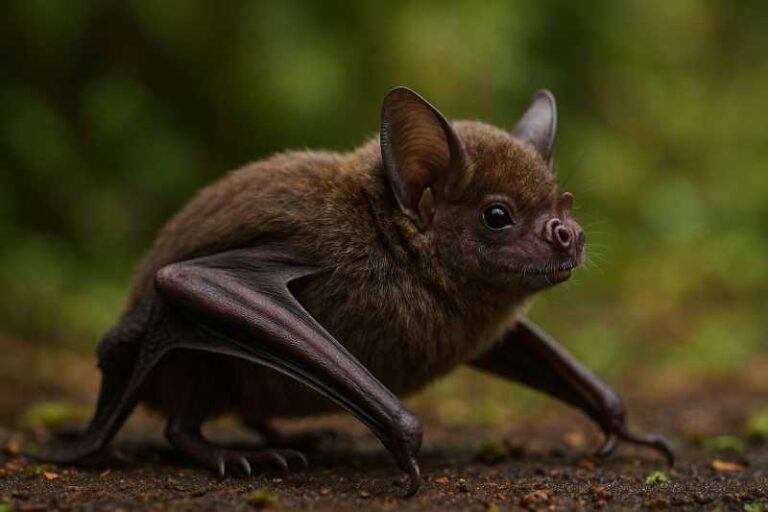
Physical Description
Bulmer’s Fruit Bat is a member of the Pteropodidae family, which includes some of the largest bat species. It is distinguished by its relatively large size, with a wingspan that can reach up to 1 meter (approximately 3.3 feet). The bat has a distinctive appearance characterized by:
- Coloration: Its fur is primarily dark brown, with a paler, grayish-brown underbelly. The fur is dense and provides insulation against the cool temperatures of its montane habitat.
- Facial Features: The face of Bulmer’s Fruit Bat is fox-like, typical of fruit bats, with large, expressive eyes adapted for night vision.
- Ears and Nose: It has small, rounded ears and a reduced nose leaf, unlike other bat species that rely heavily on echolocation.
- Teeth: The dental structure is adapted for a frugivorous diet, with sharp incisors and canines for biting into fruit.
These physical attributes not only aid in its survival in dense forest environments but also enable it to fulfill its ecological roles effectively.
Range and Habitat
Bulmer’s Fruit Bat is endemic to the high-altitude forests of Papua New Guinea, specifically within the Central Highlands region. It predominantly inhabits limestone caves, which provide shelter and roosting sites. The caves are usually located in montane forest ecosystems, characterized by:
- Altitude: Typically found at elevations ranging from 1,000 to 2,400 meters (3,280 to 7,874 feet), these areas offer a cool and stable environment.
- Vegetation: The surrounding forests are rich in biodiversity, with a mix of coniferous and broadleaf trees providing ample food resources.
- Climate: The climate in this region is generally tropical but moderated by the altitude, resulting in cooler temperatures and high humidity.
The bat’s range is highly restricted, making it vulnerable to habitat disturbances and environmental changes.
Behavior and Diet
Bulmer’s Fruit Bat is a nocturnal species, engaging in most of its activities during the night. Key behavioral traits and dietary habits include:
- Roosting: During the day, these bats roost in large colonies within caves, which offer protection from predators and harsh weather.
- Foraging: At night, they venture out to forage for food, primarily consuming fruits, nectar, and flowers. Their diet includes figs and other native fruits, making them essential for seed dispersal.
- Social Structure: The species exhibits a social lifestyle, relying on complex vocalizations and physical interactions to communicate within the colony.
- Reproductive Behavior: Little is known about their breeding habits, but like many bats, they likely have low reproductive rates, which contributes to their vulnerability.
Their foraging activities are crucial for maintaining the health of their forest habitats, as they aid in pollination and seed dispersal.
Identification Tips (Field Recognition Cues)
Identifying Bulmer’s Fruit Bat in the wild can be challenging due to its nocturnal habits and remote habitat. However, several field recognition cues can aid in identification:
- Size and Wingspan: Look for a bat with a large wingspan, which is a distinguishing feature compared to other local bat species.
- Roosting Sites: Observe limestone caves in high-altitude forests, especially those with evidence of guano deposits.
- Flight Pattern: Bulmer’s Fruit Bat exhibits a slow, deliberate flight pattern, often seen at dusk as they leave their roosts.
- Vocalizations: Listen for their unique vocalizations, which include a series of high-pitched clicks and whistles used for communication.
Spotting these bats requires patience and a keen eye, as they blend seamlessly into their dark environments.
Conservation Status (with Threats and Protections)
Bulmer’s Fruit Bat is currently classified as Critically Endangered by the International Union for Conservation of Nature (IUCN). Several factors contribute to this precarious status:
- Habitat Loss: Deforestation and land conversion for agriculture pose significant threats to their natural habitat.
- Hunting and Poaching: Local hunting for bushmeat has historically impacted populations, though conservation efforts have helped reduce this pressure.
- Climate Change: Changes in climate patterns may alter the delicate balance of their montane ecosystems, affecting food availability and habitat suitability.
Conservation efforts include:
- Protected Areas: Establishing and enforcing protected areas around key habitats to prevent further land conversion.
- Research and Monitoring: Ongoing research to better understand their ecology and monitor population trends.
- Community Engagement: Working with local communities to promote sustainable practices and reduce hunting pressures.
Protecting Bulmer’s Fruit Bat requires a comprehensive approach that addresses both direct threats and broader environmental issues.
Frequently Asked Questions
What is Bulmer’s Fruit Bat’s role in the ecosystem?
Bulmer’s Fruit Bat is a vital pollinator and seed disperser in its ecosystem. By consuming fruits and nectar, they facilitate the reproduction of various plant species, contributing to forest regeneration and biodiversity.
How can I help in the conservation of Bulmer’s Fruit Bat?
Supporting conservation organizations, promoting awareness about the species, and advocating for sustainable land-use practices are effective ways to contribute to the protection of Bulmer’s Fruit Bat.
Why is Bulmer’s Fruit Bat considered critically endangered?
The bat is critically endangered due to habitat loss, hunting, and climate change. Its limited range and specialized habitat make it particularly vulnerable to these threats.
Where can I see Bulmer’s Fruit Bat in the wild?
The best chance to observe Bulmer’s Fruit Bat is in the montane forests of Papua New Guinea, particularly in protected areas where conservation efforts are in place.
What are the main threats to Bulmer’s Fruit Bat?
The primary threats include habitat destruction, hunting, and the impacts of climate change, all of which threaten their survival and the integrity of their ecosystems.
Related posts