Introduction
Budin’s Chinchilla Rat (Abrocoma budini) is a fascinating and lesser-known species of rodent that inhabits the mountainous regions of South America. This small mammal belongs to the family Abrocomidae, which is known for its unique adaptations to the rugged environments in which it resides. Despite its name, Budin’s Chinchilla Rat is not closely related to the true chinchillas but shares some similarities in appearance and lifestyle. This article delves into the various aspects of Budin’s Chinchilla Rat, from its physical characteristics to its behavior and conservation status, providing a comprehensive overview of this intriguing species.
Physical Description
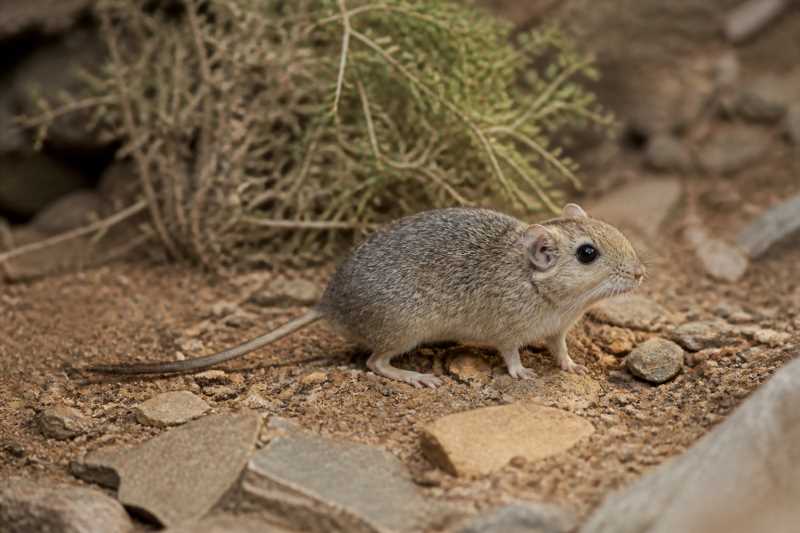
Budin’s Chinchilla Rat is a medium-sized rodent characterized by its soft, dense fur, which provides insulation against the cold temperatures of its high-altitude habitat. The fur is generally a grayish-brown color, with a lighter underbelly. The species exhibits a robust body, short limbs, and a bushy tail, which is slightly longer than half the body length. The head is rounded, with prominent, dark eyes, and small, rounded ears that are covered with fine fur. The incisor teeth are well-developed, a common trait among rodents, aiding in gnawing and foraging.
Adult Budin’s Chinchilla Rats typically weigh between 200 to 300 grams and measure approximately 25 to 30 centimeters in body length, excluding the tail. The tail adds an additional 15 to 20 centimeters. Sexual dimorphism is not pronounced in this species, with males and females exhibiting similar size and coloration.
Range and Habitat
Budin’s Chinchilla Rat is endemic to the Andes mountains, primarily found in northwestern Argentina. Its range includes the provinces of Jujuy and Salta, where it occupies altitudes ranging from 1,500 to 3,500 meters above sea level. The species favors rocky outcrops and crevices in montane forests and shrublands, environments that provide both shelter and abundant food resources.
The habitat of Budin’s Chinchilla Rat is characterized by a mix of rocky terrain and sparse vegetation, including shrubs, grasses, and small trees. These rodents are adept at navigating the rugged landscape, using their sharp claws and agile bodies to climb and forage among the rocks.
Behavior and Diet
Budin’s Chinchilla Rat is primarily nocturnal, with activity peaks occurring during the early evening and predawn hours. This behavior helps it avoid the harsh daytime temperatures and potential predators. The species is known for its social nature, often forming small family groups or colonies, which enhance its ability to detect threats and facilitate cooperative foraging.
The diet of Budin’s Chinchilla Rat is herbivorous, consisting mainly of grasses, leaves, seeds, and fruits. Its strong incisors and robust digestive system allow it to process fibrous plant materials efficiently. During the dry season, when food is scarce, these rodents may rely on stored food reserves or adapt their diet to available resources, demonstrating their resilience in a challenging environment.
Identification Tips
Identifying Budin’s Chinchilla Rat in the field can be challenging due to its elusive nature and resemblance to other small mammals in its range. However, there are several cues that can aid in its identification:
- Fur Color and Texture: Look for the distinctive grayish-brown fur with a soft and dense texture, which sets it apart from other rodents.
- Tail Characteristics: The bushy tail, longer than half the body length, is a notable feature.
- Size and Shape: Note the medium size and robust body shape, along with the rounded head and small, rounded ears.
- Habitat Preference: Observe the rodent in rocky, montane environments typical of its range.
Conservation Status
The conservation status of Budin’s Chinchilla Rat is currently classified as "Data Deficient" by the International Union for Conservation of Nature (IUCN). This classification highlights the need for further research to determine the population size, trends, and threats facing the species.
Threats to Budin’s Chinchilla Rat include habitat destruction due to agricultural expansion, mining activities, and climate change. These factors lead to habitat fragmentation and degradation, reducing the availability of suitable living spaces for the species. Additionally, predation by introduced species, such as domestic cats, poses a significant threat.
Conservation efforts for Budin’s Chinchilla Rat focus on habitat protection and the establishment of protected areas within its range. Raising awareness about the species and its ecological importance is also crucial for garnering support for conservation initiatives.
Frequently Asked Questions
What is the typical lifespan of Budin’s Chinchilla Rat?
The typical lifespan of Budin’s Chinchilla Rat in the wild is not well-documented due to limited research. However, similar species in captivity can live up to 5 to 8 years, suggesting a similar lifespan might be possible in optimal wild conditions.
How does Budin’s Chinchilla Rat adapt to its high-altitude habitat?
Budin’s Chinchilla Rat adapts to its high-altitude habitat through several physiological and behavioral adaptations. Its dense fur provides insulation against cold temperatures, while its nocturnal activity pattern helps avoid extreme daytime heat. Additionally, its diet consists of available plant materials that are abundant in its environment.
Are there any conservation programs specifically targeting Budin’s Chinchilla Rat?
Currently, there are no conservation programs specifically targeting Budin’s Chinchilla Rat. However, its habitat falls within some protected areas and initiatives aimed at preserving montane ecosystems, indirectly benefiting the species. Further research and conservation efforts are necessary to address the specific needs of this rodent.
What role does Budin’s Chinchilla Rat play in its ecosystem?
Budin’s Chinchilla Rat plays a vital role in its ecosystem as both a consumer of vegetation and a prey species for predators. Its foraging activities help in seed dispersal and maintaining plant diversity. Additionally, it serves as a food source for native carnivores, contributing to the ecological balance of its habitat.
How can individuals contribute to the conservation of Budin’s Chinchilla Rat?
Individuals can contribute to the conservation of Budin’s Chinchilla Rat by supporting local and international conservation organizations focused on habitat protection and biodiversity. Raising awareness about the species and promoting sustainable practices in areas surrounding its habitat can also make a significant impact.
Related posts