Introduction
Miguel Christie’s Tuco-tuco, scientifically known as Ctenomys miguelchristie, is a fascinating rodent species belonging to the family Ctenomyidae. This elusive mammal is endemic to specific regions within South America and is known for its burrowing lifestyle. The species was named in honor of the notable Argentine naturalist, Miguel Christie, who made significant contributions to the study of South American wildlife. This article delves into various aspects of this unique creature, including its physical characteristics, habitat preferences, behaviors, and conservation status.
Physical Description
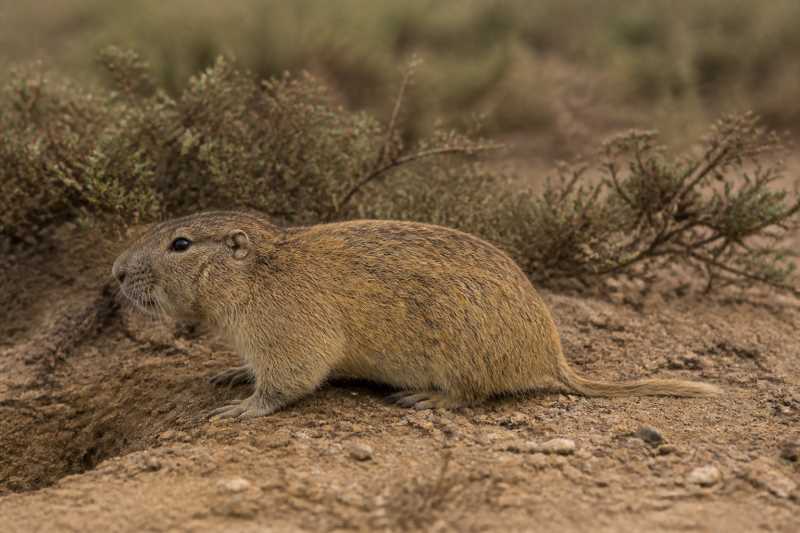
Ctenomys miguelchristie exhibits several distinct physical characteristics that make it well-suited for its subterranean lifestyle. The species typically measures between 15 to 25 centimeters in body length, with a short tail adding an additional 5 to 10 centimeters. The fur is dense and soft, varying in color from light brown to a darker, earthier hue, which provides excellent camouflage against the soil in its habitat.
The tuco-tuco has a robust body, short limbs, and strong claws, all adaptations that facilitate digging. Its eyes and ears are small, reflecting a reduced reliance on vision and hearing in favor of tactile and olfactory senses. The incisors are large and ever-growing, a characteristic feature among rodents, specifically adapted for gnawing through roots and soil. These incisors are yellowish due to the presence of iron compounds, which provide additional strength.
Range and Habitat
Miguel Christie’s Tuco-tuco is found predominantly in the grasslands and semi-arid regions of South America, particularly in Argentina. Its habitat selection is closely linked to soil type, favoring loose, sandy, or loamy soils that facilitate easy burrowing. These environments not only provide the necessary conditions for constructing extensive underground tunnel systems but also support the growth of vegetation that constitutes the tuco-tuco’s primary food source.
The tuco-tuco’s range is relatively limited, and its populations are often fragmented due to habitat specificity and geographical barriers. The distribution of this species is largely influenced by agricultural development, as cultivation can both destroy and create suitable habitats.
Behavior and Diet
Ctenomys miguelchristie is primarily solitary, with individuals occupying their own tunnel systems. These burrows are complex networks that include nesting chambers, food storage areas, and multiple exits. The tuco-tuco is primarily nocturnal, which aids in avoiding predators and extreme daytime temperatures.
The diet of Miguel Christie’s Tuco-tuco consists mainly of underground plant parts, such as roots, tubers, and bulbs. This diet is supplemented by above-ground vegetation, including grasses and herbs, which the tuco-tuco forages for during the night. The species is known for its efficient foraging strategies, which include storing surplus food within its burrow system.
Identification Tips (Field Recognition Cues)
Identifying Miguel Christie’s Tuco-tuco in the wild can be challenging due to its subterranean habits. However, there are several field cues that can aid in identification:
- Burrow Entrances: Look for characteristic soil mounds or small openings in the ground, which indicate the presence of tuco-tuco burrows.
- Tracks and Trails: Although rare, trails leading to burrow entrances might be visible, especially in areas with minimal vegetation cover.
- Sounds: Listen for the distinctive "tuco-tuco" vocalizations, which are used for communication between individuals, especially during mating season.
- Foraging Signs: Observe areas with clipped vegetation or uprooted plants, which suggest foraging activity by this species.
Conservation Status (With Threats and Protections)
The conservation status of Miguel Christie’s Tuco-tuco is currently of concern due to its limited range and specific habitat requirements. The primary threats to the species include habitat destruction and fragmentation caused by agricultural expansion and urban development. Additionally, climate change poses a significant threat by altering the ecosystem dynamics and availability of suitable habitats.
Conservation efforts are underway to protect the tuco-tuco’s habitats through the establishment of protected areas and ecological reserves. Research programs are also focusing on understanding the species’ ecology and population dynamics, which are crucial for developing effective conservation strategies.
Frequently Asked Questions
Why is this species unique?
Miguel Christie’s Tuco-tuco is unique due to its highly specialized burrowing lifestyle and its adaptability to specific soil conditions. Its solitary nature and complex social communication through vocalizations also set it apart from other rodent species.
What is the biggest threat to its survival?
The biggest threat to the survival of Ctenomys miguelchristie is habitat destruction and fragmentation, primarily due to human activities such as agriculture and urban expansion, which reduce the availability of suitable habitats.
How does it adapt to its environment?
The tuco-tuco adapts to its environment through its physical characteristics like strong claws and large incisors for digging, as well as its nocturnal behavior, which helps it to avoid predators and extreme weather conditions.
Are there any conservation measures in place?
Yes, conservation measures include the establishment of protected areas and reserves that safeguard critical habitats. Research initiatives are also ongoing to understand the species’ needs better and to formulate effective conservation strategies.
Related posts