Introduction
The Silky Cuscus (Phalanger sericeus) is a fascinating marsupial native to the lush rainforests of New Guinea. Known for its plush fur and gentle demeanor, this unique species is a member of the Phalangeridae family, which includes other cuscuses and possums. The Silky Cuscus is not only an important component of its ecosystem but also an intriguing subject for wildlife enthusiasts and researchers alike. Understanding its biology and ecological significance can help us appreciate and conserve this remarkable creature.
Physical Description
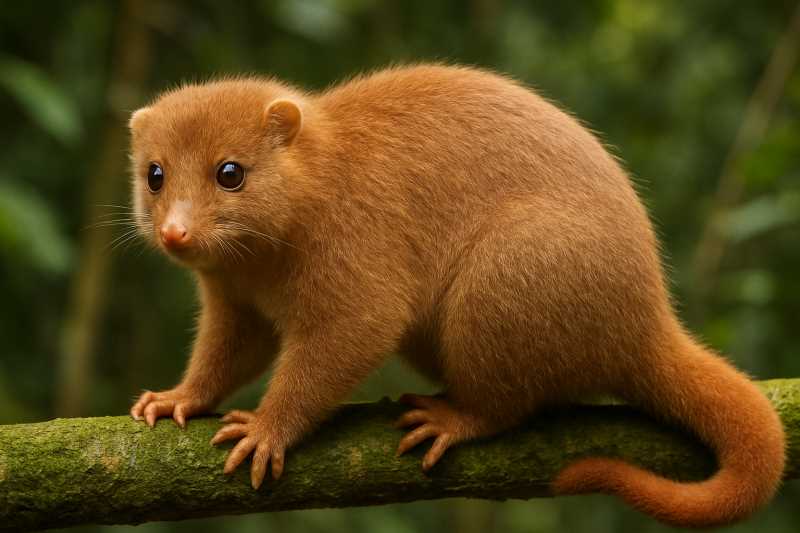
The Silky Cuscus is named for its exceptionally smooth and soft fur, which is a feature that sets it apart from other members of its family. This marsupial generally has a thick, plush coat that is predominantly creamy white or pale grey, though some individuals may exhibit a slightly yellow or golden hue. This coloration provides excellent camouflage among the forest canopies where it resides.
An adult Silky Cuscus typically measures between 30 to 40 centimeters in body length, with a tail that adds an additional 25 to 35 centimeters. The tail is prehensile, aiding in balance and navigation through the trees. It is also covered in dense fur, unlike the tails of some related species. Weighing between 1.5 to 2.5 kilograms, the Silky Cuscus is a medium-sized marsupial.
Its face is characterized by large, forward-facing eyes that provide excellent night vision, a trait essential for its nocturnal lifestyle. The ears are small and rounded, helping minimize heat loss and maintain a streamlined appearance.
Range and Habitat
The Silky Cuscus is endemic to New Guinea, where it inhabits the montane and lowland rainforests. It is primarily found in the central and eastern regions of the island, thriving in both primary and secondary forests. This species prefers altitudes ranging from 500 to 1,500 meters above sea level, although it has been observed at elevations as high as 2,000 meters.
These rainforests provide the Silky Cuscus with abundant food sources and ample foliage for shelter. The dense canopy offers protection from predators and harsh weather conditions, making it an ideal habitat for this arboreal marsupial.
Behavior and Diet
The Silky Cuscus is primarily nocturnal, spending the daylight hours resting in the dense canopy. It becomes active at dusk, foraging for food throughout the night. This species is arboreal, meaning it spends most of its life in the trees, rarely descending to the forest floor.
As a folivorous animal, the Silky Cuscus primarily feeds on leaves, flowers, and fruits. It has a particular preference for the tender young leaves of certain tree species, which are abundant in its rainforest habitat. Occasionally, it may also consume small invertebrates, though these are not a significant part of its diet.
Social behavior in the Silky Cuscus is relatively solitary, with individuals maintaining distinct territories. However, they may tolerate the presence of other cuscuses if resources are plentiful. Communication is primarily through vocalizations, scent markings, and visual displays.
Identification Tips
Identifying the Silky Cuscus in the wild can be challenging due to its elusive nature and nocturnal habits. However, there are several key characteristics that can aid in recognition:
- Fur: Look for the distinctive silky, cream-colored fur that distinguishes this species from other cuscuses.
- Tail: Observe the prehensile tail, which is covered in dense fur and used for balance and grasping branches.
- Eyes: Note the large, forward-facing eyes adapted for night vision.
- Habitat: Spotting them is more likely in montane and lowland rainforests during nighttime.
Conservation Status
The Silky Cuscus is currently listed as Least Concern on the IUCN Red List. However, it faces several threats that could impact its population in the future. Habitat destruction due to logging and agricultural expansion is the primary threat to its survival. As forests are cleared or degraded, the Silky Cuscus loses essential habitat and food sources.
Hunting also poses a threat, as the cuscus is sometimes targeted for its meat and fur. Conservation efforts are necessary to ensure the long-term survival of this species. Protected areas within its range help safeguard habitats, and sustainable forestry practices are encouraged to minimize habitat loss.
Frequently Asked Questions
What does the Silky Cuscus eat?
The Silky Cuscus primarily feeds on leaves, flowers, and fruits found in its rainforest habitat. It occasionally consumes small invertebrates, but these are not a major part of its diet.
Where can the Silky Cuscus be found?
This species is native to New Guinea, inhabiting the montane and lowland rainforests primarily in the central and eastern regions of the island.
How does the Silky Cuscus navigate its environment?
The Silky Cuscus is arboreal and uses its prehensile tail for balance and navigation through the trees. Its large eyes provide excellent night vision, aiding in nocturnal foraging.
What threats does the Silky Cuscus face?
The primary threats include habitat destruction due to logging and agriculture, as well as hunting for its meat and fur. Conservation efforts are vital to protect this species.
How can I identify a Silky Cuscus?
Look for its silky cream-colored fur, prehensile tail, and large, forward-facing eyes. It’s typically found in the dense canopies of New Guinea’s rainforests.
Related posts