
Introduction
The Hairy-legged Vampire Bat, scientifically known as Diphylla ecaudata, is a fascinating species that belongs to the family Phyllostomidae. Known for its unique feeding habits, this bat is one of the three extant species of vampire bats, which are characterized by their hematophagous diet, meaning they feed on the blood of other animals. Despite popular misconceptions and the sinister reputation that often accompanies vampire bats, the Hairy-legged Vampire Bat plays a crucial role in its ecosystem. This article delves into the intriguing world of Diphylla ecaudata, exploring its physical characteristics, habitat, behavior, and conservation status.
Physical Description
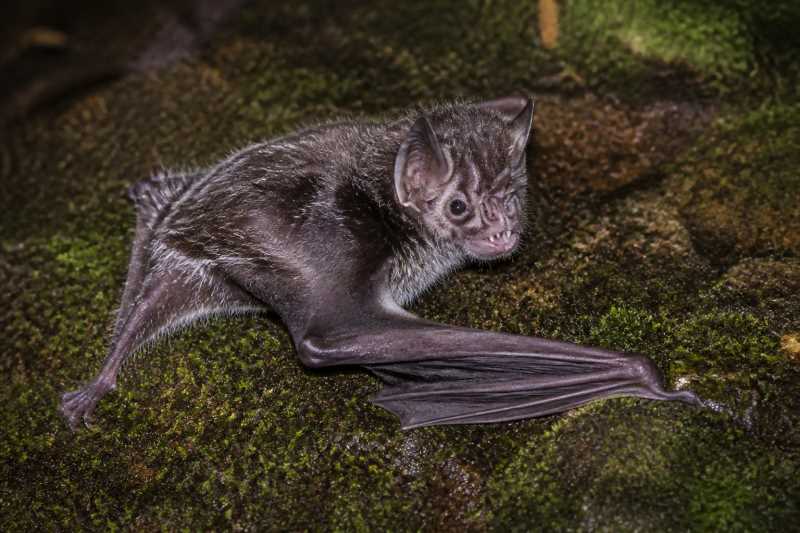
The Hairy-legged Vampire Bat is relatively small, with a body length ranging from 7 to 9 centimeters and a wingspan of approximately 35 centimeters. It weighs between 25 and 40 grams. Unlike other vampire bats, Diphylla ecaudata is distinguished by its notably hairy legs, which give the species its common name. The fur covering its body is generally a grayish-brown color, providing camouflage in its natural habitat. This species lacks the tail commonly found in other bat species, an anatomical feature referenced in its scientific name, "ecaudata," which means "tailless."
The bat’s head is equipped with a short, conical nose and sharp, specialized incisor teeth that are adapted for making small incisions in the skin of its prey. Its ears are relatively large and rounded, aiding in echolocation, a crucial ability that allows the bat to navigate and hunt in the dark. The wings are long and narrow, designed for agile and silent flight.
Range and Habitat
Diphylla ecaudata is native to the Americas, with a range that extends from Mexico through Central America and into parts of northern South America, including Brazil and Peru. These bats are typically found in warm, humid environments such as tropical and subtropical forests. They are also known to inhabit caves, hollow trees, and abandoned buildings, where they can roost during the day.
The species prefers areas that are close to reliable food sources, often near livestock or wildlife populations from which they can feed. Their chosen habitats are usually secluded and dark, providing safety from predators and a stable environment for raising their young.
Behavior and Diet
The Hairy-legged Vampire Bat is nocturnal, emerging from its roosts at night to hunt for food. Unlike its more infamous relative, the Common Vampire Bat (Desmodus rotundus), which primarily feeds on the blood of mammals, Diphylla ecaudata typically targets birds. It uses its heat sensors located around the nose to detect the areas of its prey where blood vessels are closest to the skin.
Once a suitable host is found, the bat makes a small incision with its razor-sharp teeth and laps up the blood using its grooved tongue. The saliva of Diphylla ecaudata contains anticoagulants that prevent the blood from clotting, allowing for a steady flow during feeding, which typically lasts about 20 to 30 minutes.
Social behavior in this species is also noteworthy. Hairy-legged Vampire Bats are known to form small colonies, which can consist of mixed sexes or maternal groups. These bats are highly social animals that engage in mutual grooming and food sharing, particularly with individuals that were unsuccessful in feeding.
Identification Tips (Field Recognition Cues)
Identifying the Hairy-legged Vampire Bat in the field requires attention to several key features:
- Size and Shape: Look for a small bat with a body length of 7-9 cm and a wingspan of about 35 cm.
- Fur and Coloration: Notice the distinct grayish-brown fur and the hairy legs, a unique characteristic of the species.
- Absence of Tail: This species is tailless, which can help differentiate it from other bats in the region.
- Facial Features: The bat has a short, conical nose and large, rounded ears.
- Behavioral Cues: These bats often roost in caves or abandoned structures and are active at night, primarily feeding on avian hosts.
Conservation Status (with Threats and Protections)
The International Union for Conservation of Nature (IUCN) currently lists the Hairy-legged Vampire Bat as a species of Least Concern. Despite this, the species faces several threats that could impact its population numbers in the future.
Threats
- Habitat Loss: Deforestation and land conversion for agriculture or urban development threaten the natural habitats of Diphylla ecaudata.
- Human Persecution: Due to their association with vampire myths and potential disease transmission, these bats are often targeted by eradication efforts.
- Climate Change: Changes in climate patterns could alter the ecosystems where these bats live, affecting their food availability and roosting sites.
Protections
Conservation efforts for Diphylla ecaudata include habitat preservation and public education campaigns to reduce human-wildlife conflict. In some regions, laws protect bats and their habitats, although enforcement can be challenging.
Frequently Asked Questions
1. What do Hairy-legged Vampire Bats eat?
Hairy-legged Vampire Bats primarily feed on the blood of birds. They use their heat-sensing capabilities to locate blood vessels close to the skin and make a small incision to lap up the blood.
2. Are Hairy-legged Vampire Bats dangerous to humans?
Hairy-legged Vampire Bats are not considered dangerous to humans. They rarely feed on human blood and pose a minimal threat. However, like all wildlife, they should be respected and left undisturbed.
3. Where do Hairy-legged Vampire Bats live?
These bats are found in the Americas, from Mexico to parts of northern South America. They inhabit tropical and subtropical forests, caves, and abandoned structures.
4. How can I identify a Hairy-legged Vampire Bat?
Look for their small size, hairy legs, grayish-brown fur, absence of a tail, and large, rounded ears. These features help distinguish them from other bat species.
5. What is the conservation status of the Hairy-legged Vampire Bat?
The species is currently listed as Least Concern by the IUCN, but it faces threats from habitat loss, human persecution, and climate change.
Related posts


