Introduction
The Blackish White-toothed Shrew, scientifically known as Crocidura nigricans, is a small mammal that belongs to the family Soricidae. This species is one of many in the genus Crocidura, which is known for its widespread distribution and diversity. Despite its diminutive size, the Blackish White-toothed Shrew plays a significant role in its ecosystem as both a predator and prey. This article delves into the various aspects of this intriguing species, including its physical characteristics, habitat, behavior, and conservation status.
Physical Description
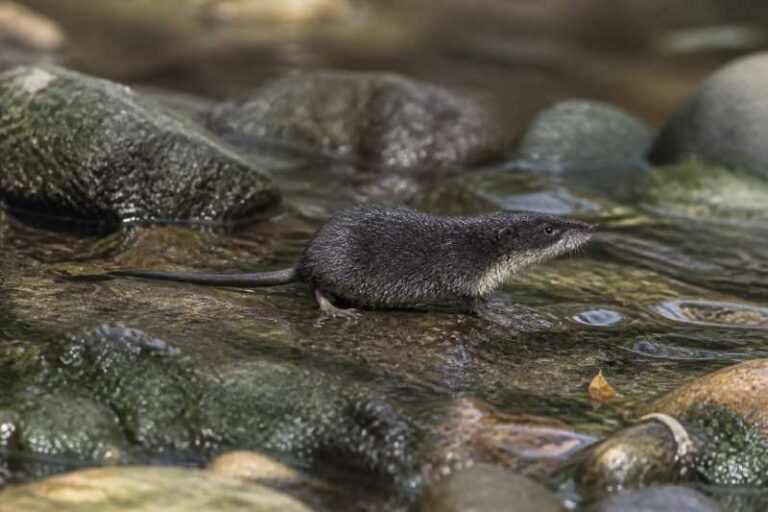
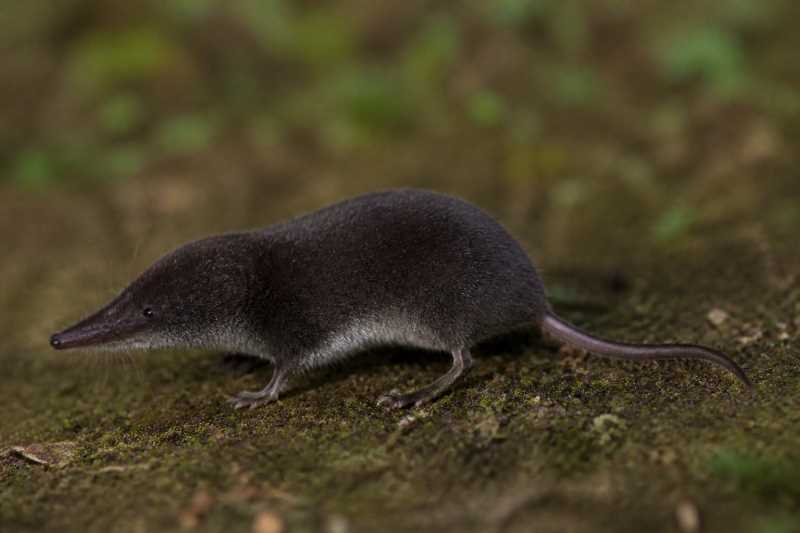
The Blackish White-toothed Shrew is a small, elusive creature, easily recognizable by its distinctive coloration and dental structure. Adult shrews typically measure between 6 to 8 centimeters in body length, with a tail length of approximately 4 to 5 centimeters. They weigh around 6 to 10 grams, making them one of the smaller members of the shrew family.
The fur of the Blackish White-toothed Shrew is predominantly dark, ranging from blackish to dark gray, giving it the name "blackish." This coloration aids in camouflage within its natural habitat. The fur is dense and velvety, providing insulation and protection.
One of the most striking features of this shrew is its teeth. Unlike many other shrews, the teeth of the Blackish White-toothed Shrew lack pigmentation, appearing white in color. This characteristic is not only a key identification feature but also contributes to its common name, "white-toothed shrew."
Range and Habitat
Crocidura nigricans is predominantly found in a limited range within sub-Saharan Africa. Its distribution includes regions that provide the specific environmental conditions necessary for its survival. The species thrives in a variety of habitats, including moist lowland forests, savannas, and shrublands.
The shrew’s habitat preference leans towards areas with dense ground cover and abundant leaf litter, which offer protection from predators and harsh weather conditions. These environments also support a rich supply of invertebrates, which constitute the main diet of the shrew.
Adaptability is a hallmark of the Blackish White-toothed Shrew, enabling it to occupy habitats that range from tropical rainforests to more arid regions, provided there is sufficient food supply and shelter.
Behavior and Diet
The Blackish White-toothed Shrew is primarily nocturnal, engaging in most of its activities under the cover of darkness. This behavior reduces the risk of predation and aligns with the activity patterns of its prey.
The diet of the Blackish White-toothed Shrew is predominantly insectivorous. It feeds on a variety of invertebrates, including insects, earthworms, and small arthropods. Its keen sense of smell and hearing assist in locating prey, which it captures with remarkable speed and agility.
Shrews have a high metabolic rate, necessitating frequent feeding to meet their energy demands. The Blackish White-toothed Shrew is no exception, consuming an amount of food approximately equal to its body weight each day.
Socially, these shrews are solitary creatures, coming together only during the breeding season. They are territorial, with individuals maintaining and defending their own feeding grounds from conspecifics.
Identification Tips (Field Recognition Cues)
Identifying the Blackish White-toothed Shrew in the field requires attention to several key features:
- Size and Shape: Look for a small mammal with a body length of 6 to 8 centimeters and a proportionate tail.
- Fur Color: The dark, blackish-gray fur is a primary indicator. The fur is dense, smooth, and velvety.
- Teeth: The white, unpigmented teeth are a definitive characteristic, distinguishing it from other shrews with pigmented teeth.
- Behavior: Observing nocturnal activity and a preference for dense ground cover can aid in identification.
- Habitat: Presence in moist lowland forests or areas with abundant leaf litter can be a clue to its identity.
Conservation Status (with Threats and Protections)
The conservation status of the Blackish White-toothed Shrew is currently listed as "Least Concern" by the International Union for Conservation of Nature (IUCN). This designation reflects its relatively stable population across its range.
However, certain threats could potentially impact its numbers, including habitat destruction due to logging, agriculture, and urbanization. Such activities can lead to fragmentation and loss of its natural habitat, posing a risk to local populations.
Conservation efforts for the Blackish White-toothed Shrew focus on habitat protection and management. Ensuring the preservation of forested areas and maintaining the ecological integrity of its environment are crucial for its continued survival.
Frequently Asked Questions
What do Blackish White-toothed Shrews eat?
The Blackish White-toothed Shrew primarily feeds on invertebrates, including insects, earthworms, and small arthropods. Its diet reflects its insectivorous nature, and its high metabolic rate requires frequent feeding.
Where can Blackish White-toothed Shrews be found?
Crocidura nigricans is found in sub-Saharan Africa, occupying habitats such as moist lowland forests, savannas, and shrublands. It prefers areas with dense ground cover and abundant leaf litter.
How do Blackish White-toothed Shrews reproduce?
These shrews are solitary but come together during the breeding season. Breeding patterns and exact reproductive behaviors can vary, but they generally involve the establishment of a temporary pair bond during mating.
Are Blackish White-toothed Shrews endangered?
The Blackish White-toothed Shrew is currently listed as "Least Concern" by the IUCN. While not endangered, it faces potential threats from habitat destruction and environmental changes.
How can you identify a Blackish White-toothed Shrew in the wild?
Key identification features include its small size, blackish-gray fur, white teeth, and nocturnal behavior. Observing these characteristics in its preferred habitat can confirm its identity.
Related posts