Introduction
Blyth’s Mouse (Mus nitidulus) is a small rodent species with a fascinating ecological and biological profile. The species is named after the British zoologist Edward Blyth, who made significant contributions to the taxonomy of many small mammals. Known for its remarkable adaptability and distinct characteristics, Blyth’s Mouse plays a vital role in its ecosystem. This article delves deep into the various aspects of this lesser-known yet intriguing mammal, providing insights into its physical appearance, habitat, behavior, and the conservation efforts underway to protect it.
Physical Description
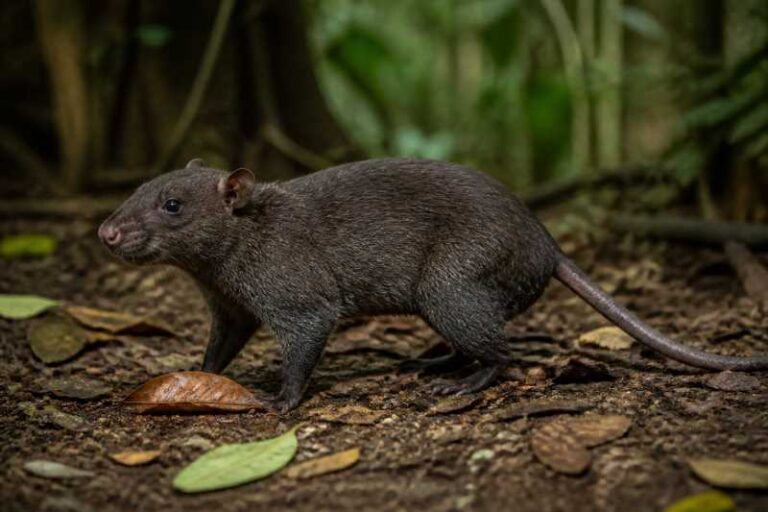
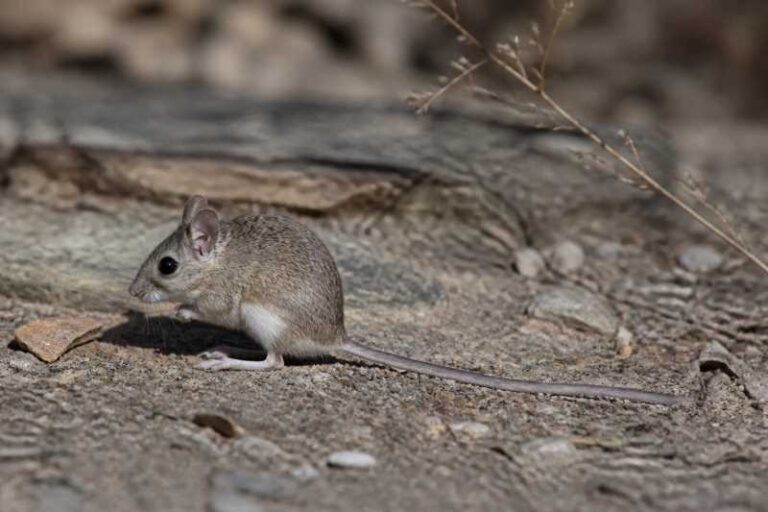
Blyth’s Mouse is characterized by its small size and sleek, shiny fur. The average body length of an adult ranges from 6 to 8 centimeters, with a tail length that closely matches or slightly exceeds the body length, providing it with excellent balance and agility. The mouse typically weighs between 10 to 15 grams. Its fur is a glossy brown with a slight sheen, which aids in its camouflage amidst the forest floor and underbrush.
The ears of the Blyth’s Mouse are moderately large, enhancing its acute sense of hearing, which is crucial for detecting predators. Its eyes are also relatively large, providing excellent night vision to aid in its primarily nocturnal lifestyle. Notably, the whiskers of Blyth’s Mouse are long and sensitive, playing a critical role in spatial navigation and environmental sensing.
Range and Habitat
Blyth’s Mouse is predominantly found in the Southeast Asian region, with its distribution spanning across countries such as Myanmar, Thailand, Laos, and parts of Vietnam. It is primarily associated with tropical and subtropical forests, where it thrives in the dense undergrowth and leaf litter.
The species exhibits a preference for habitats that offer ample cover and a rich supply of food resources. These mice are often found in both primary and secondary forest environments, although deforestation and habitat fragmentation pose significant threats to their populations. They are also adaptable to living in agricultural areas and are occasionally found in proximity to human settlements.
Behavior and Diet
The behavior of Blyth’s Mouse is predominantly nocturnal. These mice are solitary creatures, with each individual maintaining its own territory. They are known for their agility and quick reflexes, which are vital for evading predators and capturing prey.
The diet of Blyth’s Mouse is omnivorous. It primarily feeds on seeds, fruits, and insects, which provide a balanced nutritional intake. The mouse uses its sharp incisors to crack open seeds and consume hard-shelled insects. Its foraging behavior is marked by a keen sense of smell and touch, allowing it to locate food efficiently even in the dark.
Identification Tips
Identifying Blyth’s Mouse in the field requires attention to several key characteristics:
- Size and Shape: Look for a small rodent with a body length of 6 to 8 centimeters and a tail of similar length.
- Fur and Coloration: Note the glossy brown fur with a subtle sheen, which helps in camouflage.
- Ears and Eyes: Check for moderately large ears and proportionately large eyes, indicative of good hearing and night vision.
- Whiskers: Observe the long and sensitive whiskers that are a distinctive feature of this species.
- Behavior: Look for signs of nocturnal activity, such as foraging during dusk or night.
Conservation Status
The conservation status of Blyth’s Mouse is currently not well-documented due to limited research. However, like many small mammals in Southeast Asia, it faces threats from habitat destruction, primarily due to deforestation and agricultural expansion.
Efforts to protect Blyth’s Mouse involve habitat conservation and restoration. There are initiatives aimed at preserving forested areas and implementing sustainable agricultural practices to mitigate habitat loss. Additionally, more research is needed to accurately assess population sizes and distribution to formulate effective conservation strategies.
Frequently Asked Questions
- What is the primary habitat of Blyth’s Mouse?
Blyth’s Mouse primarily inhabits tropical and subtropical forests in Southeast Asia, often found in areas with dense underbrush and leaf litter.
- How can one distinguish Blyth’s Mouse from other mouse species?
Key distinguishing features include its small size, glossy brown fur, large ears and eyes, and long whiskers. Observing its nocturnal behavior can also aid in identification.
- What do Blyth’s Mice eat?
Blyth’s Mice have an omnivorous diet, primarily feeding on seeds, fruits, and insects. They use their sharp incisors to access these food sources.
- Are Blyth’s Mice endangered?
The exact conservation status of Blyth’s Mouse is not well-documented, but it faces threats from habitat loss due to deforestation and agricultural activities.
- How do Blyth’s Mice contribute to their ecosystem?
Blyth’s Mice play a crucial role in seed dispersal and insect population control, contributing to forest regeneration and ecological balance.
Related posts