Introduction
The Bala Tube-nosed Bat, scientifically known as Murina balaensis, is a fascinating and relatively recent discovery in the world of Chiroptera. This elusive mammal was first described in 2006 and has since intrigued biologists and bat enthusiasts alike with its unique physical characteristics and ecological roles. As a member of the Vespertilionidae family, the Bala Tube-nosed Bat plays a significant role in its ecosystem, particularly in Southeast Asia, where it is endemic. This article delves into the various aspects of this remarkable species, from its physical attributes and habitat preferences to its behavior and conservation status.
Physical Description
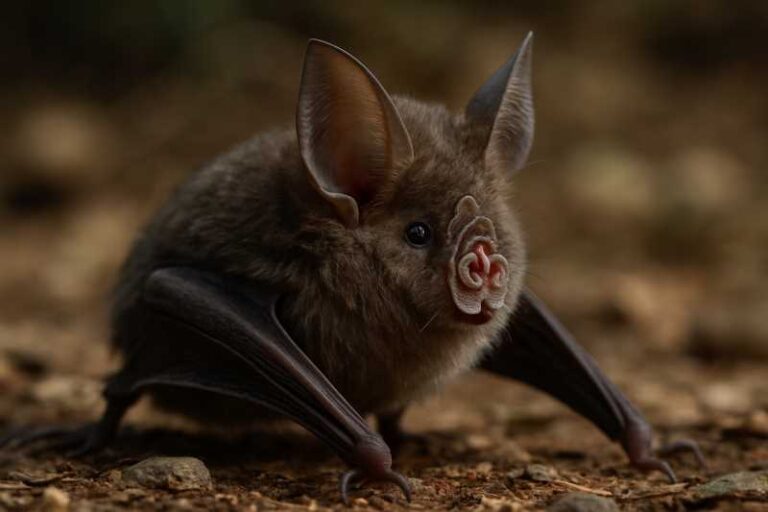
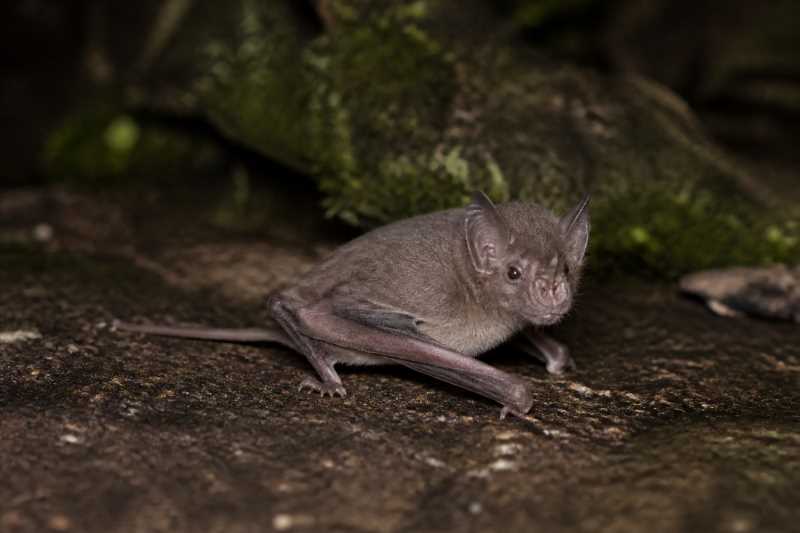
The Bala Tube-nosed Bat is distinguished by its distinctive tube-shaped nostrils, which are not only a defining characteristic but also a functional adaptation. These protruding nostrils help direct echolocation calls, aiding in navigation and prey detection in dense forest environments. The bat’s fur is soft and dense, with a coloration that typically ranges from brown to grey, providing effective camouflage against tree bark and leaves.
In terms of size, the Bala Tube-nosed Bat is relatively small, with a forearm length ranging from 35 to 42 millimeters and a body weight of approximately 5 to 8 grams. Its wings are adapted for agile flight through cluttered forest canopies, characterized by a relatively short wingspan and broad wing shape. This morphological adaptation allows for precise maneuverability, essential for capturing insect prey in its complex habitat.
Range and Habitat
Endemic to Southeast Asia, the Bala Tube-nosed Bat is primarily found in the tropical and subtropical forests of Thailand and surrounding regions. Its range is typically restricted to high-altitude montane forests, where dense vegetation provides ample cover and feeding opportunities. These habitats are characterized by a rich biodiversity, offering a variety of insect prey that forms the core of the bat’s diet.
The bat’s preference for high-altitude environments means that it is often found at elevations between 800 to 1,500 meters. These areas offer a cooler climate and a unique assemblage of flora and fauna, contributing to the bat’s ecological niche. However, its specialized habitat requirements also make it vulnerable to environmental changes and habitat destruction.
Behavior and Diet
The Bala Tube-nosed Bat is primarily nocturnal, with peak activity occurring shortly after dusk. It exhibits a roosting behavior typical of many bat species, seeking refuge during the day in tree hollows, dense foliage, or sometimes in caves. These roosting sites provide protection from predators and harsh weather conditions.
Dietarily, the Bala Tube-nosed Bat is insectivorous, feeding on a variety of small insects, including moths, beetles, and flies. Its echolocation capabilities are finely tuned to detect prey amidst the cluttered forest environment, allowing it to efficiently hunt even in complete darkness. The bat’s foraging strategy involves agile flight patterns and quick turns, enabling it to capture insects on the wing.
Identification Tips (Field Recognition Cues)
Identifying the Bala Tube-nosed Bat in the field requires attention to several key characteristics:
- Nostril Shape: The distinctive tube-shaped nostrils are a hallmark feature, setting this species apart from other bats.
- Fur Coloration: Look for the bat’s brown to grey fur, which blends seamlessly with the forest environment.
- Size and Wingspan: Note the small size and broad wings, which are adapted for maneuverability in dense forests.
- Flight Pattern: Observe the bat’s flight, which is typically agile with rapid turns and dives, a behavior that aids in insect capture.
- Roosting Habits: During the day, the bat is likely to be found in tree hollows or dense foliage, providing clues to its presence in the area.
Conservation Status (with Threats and Protections)
The conservation status of the Bala Tube-nosed Bat is currently classified as Data Deficient by the International Union for Conservation of Nature (IUCN). This classification reflects the limited information available about the species’ population size and distribution, primarily due to its recent discovery and elusive nature.
Despite the lack of comprehensive data, the Bala Tube-nosed Bat faces several threats that could impact its survival. Habitat destruction, driven by logging, agriculture, and urban expansion, poses a significant risk by reducing the availability of suitable roosting and foraging areas. Additionally, climate change may alter the bat’s montane forest habitat, further exacerbating the challenges it faces.
Conservation efforts for the Bala Tube-nosed Bat focus on habitat preservation and research initiatives to better understand its ecology and population dynamics. Protected areas within its range, such as national parks and wildlife sanctuaries, play a critical role in safeguarding its habitat. Efforts to mitigate threats from human activities and promote sustainable land use practices are also essential for the bat’s long-term survival.
Frequently Asked Questions
1. What is the Bala Tube-nosed Bat’s primary diet? The Bala Tube-nosed Bat is primarily insectivorous, feeding on a variety of small insects such as moths, beetles, and flies. Its echolocation abilities allow it to efficiently detect and capture prey in its forest habitat.
2. Where can the Bala Tube-nosed Bat be found? This species is endemic to Southeast Asia, particularly in the tropical and subtropical montane forests of Thailand and surrounding regions. It typically inhabits high-altitude areas between 800 to 1,500 meters.
3. What are the main threats to the Bala Tube-nosed Bat? The main threats include habitat destruction due to logging, agriculture, and urban development, as well as potential impacts from climate change that may alter its montane forest habitat.
4. How can you identify a Bala Tube-nosed Bat in the wild? Key identification features include its distinctive tube-shaped nostrils, brown to grey fur, small size, broad wings, and agile flight pattern. Observing these characteristics can help distinguish it from other bat species.
5. Why is the conservation status of the Bala Tube-nosed Bat classified as Data Deficient? The species is classified as Data Deficient due to the lack of comprehensive information on its population size and distribution. Ongoing research and conservation efforts are needed to better understand and protect this elusive bat.
Related posts