Introduction
Pine’s Crab-eating Rat, scientifically known as Ichthyomys pinei, is a fascinating small mammal belonging to the family Cricetidae. This elusive species, known for its distinctive dietary habits, primarily resides in the neotropical regions of South America. The species is a part of a unique group of rodents adapted to a semi-aquatic lifestyle, showcasing intriguing behavioral and ecological adaptations that make it a subject of interest for mammalogists and ecologists alike. This article delves into the various aspects of Pine’s Crab-eating Rat, including its physical description, habitat, behavior, and conservation status.
Physical Description
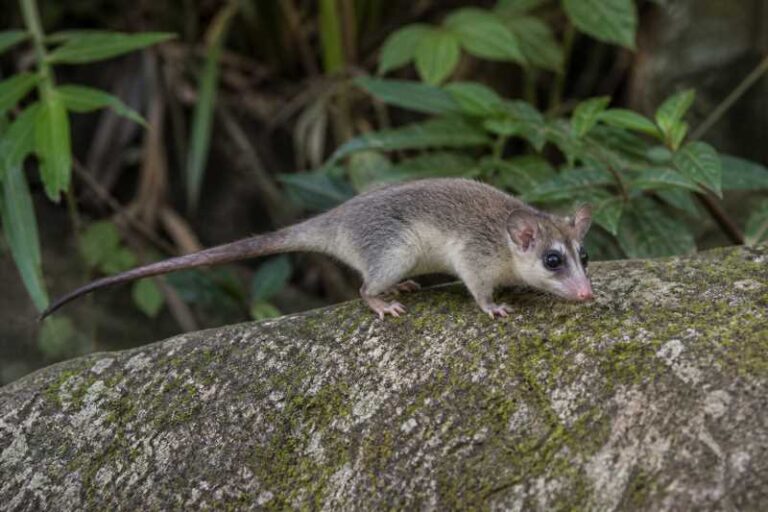
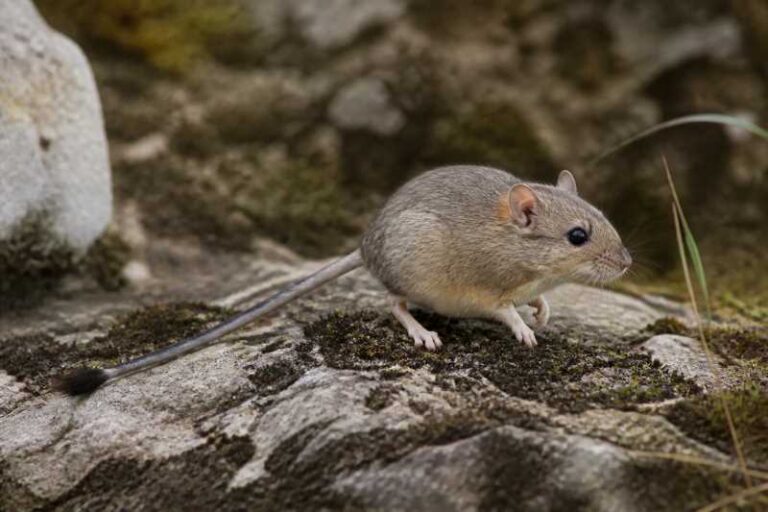
Pine’s Crab-eating Rat is a medium-sized rodent with several distinct features that set it apart from other rodents. The species exhibits a robust body structure, with an average length ranging from 20 to 25 centimeters, excluding the tail, which can add an additional 15 to 20 centimeters. Its fur is dense and water-repellent, an adaptation to its semi-aquatic lifestyle. The coloration is typically dark grey to brown on the dorsal side, with a lighter, often white, underbelly.
One of the most distinctive features of Ichthyomys pinei is its large, webbed hind feet, which aid in swimming. The ears are small and rounded, minimizing resistance while moving through water. The eyes are relatively large, providing good vision in low-light conditions often found near water bodies. Another notable feature is its strong, sharp claws, which are essential for capturing prey and climbing.
Range and Habitat
The geographic range of Pine’s Crab-eating Rat is confined to the high-altitude regions of the Andes in Colombia. It inhabits areas typically characterized by fast-flowing streams and rivers, where it can find an abundance of its preferred prey. These environments are usually cool and humid, with dense vegetation providing cover from predators.
The species is adapted to a range of altitudes but is predominantly found at elevations between 1,500 and 2,500 meters above sea level. This habitat preference highlights its adaptation to a niche environment, where it faces less competition from other terrestrial or aquatic predators.
Behavior and Diet
Pine’s Crab-eating Rat exhibits primarily nocturnal behavior, taking advantage of the cover of darkness to hunt and forage. Its diet is specialized and largely carnivorous, focusing on aquatic invertebrates such as crabs and other crustaceans, which it skillfully captures using its dexterous paws and sharp claws.
The species is known for its solitary nature, with individuals maintaining defined territories along watercourses. Communication between individuals is minimal, relying on scent markings and occasional vocalizations. During the breeding season, however, males may become more territorial and aggressive in their pursuit of mates.
Identification Tips (Field Recognition Cues)
Identifying Pine’s Crab-eating Rat in the field involves observing a combination of physical and behavioral traits. Key identification tips include:
- Habitat: Look for the species along fast-flowing streams and rivers in the Andean regions of Colombia.
- Physical Features: Note the dark grey or brown fur, webbed hind feet, and sharp claws.
- Behavior: Observe nocturnal activity patterns and predation on aquatic organisms.
- Vocalizations: Listen for soft, high-pitched sounds typically used for communication during the breeding season.
Conservation Status (with Threats and Protections)
Currently, Pine’s Crab-eating Rat is classified as "Data Deficient" by the International Union for Conservation of Nature (IUCN). This designation highlights a lack of comprehensive data regarding population trends and precise distribution, making it difficult to assess the species’ conservation needs accurately.
Several threats can potentially impact this species, including habitat destruction due to agricultural expansion, water pollution, and climate change, which could alter the hydrology of its aquatic habitats. Conservation efforts are needed to preserve its natural habitats and ensure sustainable water management practices in the regions it inhabits.
Protection measures should focus on conducting thorough ecological studies to understand its population dynamics and habitat requirements better. Additionally, establishing protected areas in key habitats could help mitigate some of the threats faced by this species.
Frequently Asked Questions
1. What does Pine’s Crab-eating Rat eat?
Pine’s Crab-eating Rat primarily feeds on aquatic invertebrates, with a diet that includes crabs and other crustaceans. Its strong claws and webbed feet aid in capturing prey in its semi-aquatic environment.
2. Where can Pine’s Crab-eating Rat be found?
This species is native to the high-altitude regions of the Andes in Colombia, particularly in areas with fast-flowing streams and rivers. It inhabits elevations between 1,500 and 2,500 meters above sea level.
3. How can I identify Pine’s Crab-eating Rat in the wild?
Identifying this species involves noting its habitat near water bodies, observing its nocturnal activity, and looking for physical traits such as dark grey fur, webbed hind feet, and sharp claws.
4. Is Pine’s Crab-eating Rat endangered?
Pine’s Crab-eating Rat is currently listed as "Data Deficient" by the IUCN, indicating that more research is needed to determine its conservation status accurately. Potential threats include habitat destruction and water pollution.
5. What are the threats to Pine’s Crab-eating Rat?
The main threats to the species include habitat destruction due to agricultural activities, water pollution from industrial and agricultural runoff, and climate change, which may alter its aquatic habitats.
Related posts