Introduction
The Peninsular Tube-nosed Bat, scientifically known as Murina peninsularis, is a remarkable species that forms part of the diverse family of Vesper bats. These bats are one of the lesser-known yet fascinating members of the Chiroptera order. Found primarily in Southeast Asia, their unique ecological niche and intriguing adaptations make them a subject of interest for both researchers and wildlife enthusiasts. This article provides a comprehensive overview of the Peninsular Tube-nosed Bat, covering its physical characteristics, habitat, behavior, and conservation status.
Physical Description
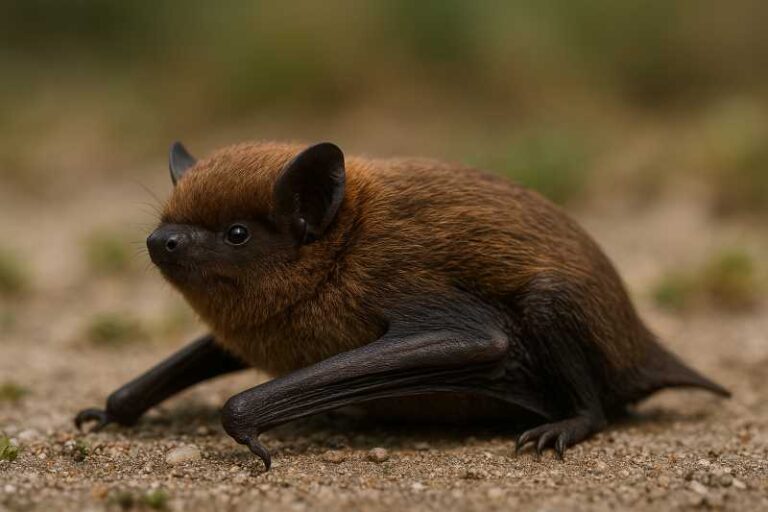
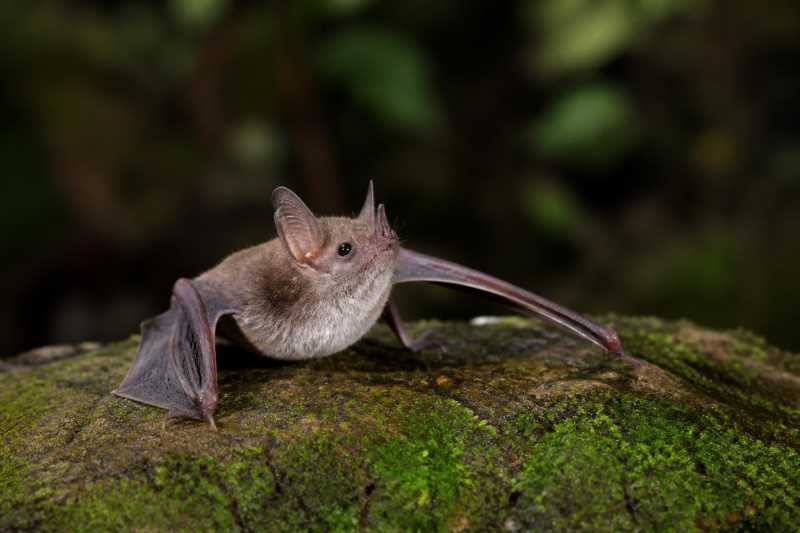
The Peninsular Tube-nosed Bat is distinguished by its small size and distinctive facial features. Adult bats typically weigh between 5 to 8 grams, with a forearm length ranging from 32 to 38 millimeters. Their most striking feature is their tube-shaped nostrils, which protrude outward and are thought to aid in their echolocation abilities. The fur of these bats is soft and dense, usually exhibiting a reddish-brown to dark brown hue that provides excellent camouflage against the bark of trees and forest floor. The wings are relatively broad, facilitating maneuverability through dense forest canopies.
Range and Habitat
Endemic to the Malay Peninsula, the Peninsular Tube-nosed Bat is primarily found in Malaysia and southern Thailand. These bats thrive in tropical and subtropical forests, particularly favoring lowland and montane forests that offer ample roosting and foraging opportunities. They are often located near water bodies such as streams and rivers, which not only support a rich insect population but also provide hydration and cooling.
Behavior and Diet
Peninsular Tube-nosed Bats are nocturnal creatures, spending their days roosting in the dense foliage or hollow trees and emerging at dusk to forage for food. Their diet primarily consists of insects, making them insectivorous. They employ echolocation to detect and capture prey, using their tube-like nostrils to emit calls that bounce off objects and help them navigate in complete darkness. These bats play a crucial role in controlling insect populations, thereby maintaining the ecological balance of their habitat.
Identification Tips
Identifying the Peninsular Tube-nosed Bat in the field can be challenging due to its elusive nature and nocturnal habits. However, certain cues can aid in recognition:
- Nostril Shape: Look for the distinct tube-shaped nostrils, a key characteristic that sets them apart from other bat species.
- Fur Color: Their reddish-brown to dark brown fur helps them blend into their environment but is a distinguishing feature when observed closely.
- Echolocation Calls: Listening for their high-pitched echolocation calls at dusk can signal their presence.
- Roosting Habits: They often roost in small groups in tree hollows or under large leaves.
Conservation Status
The conservation status of the Peninsular Tube-nosed Bat is currently classified as Near Threatened on the IUCN Red List. The main threats to their survival include deforestation, habitat fragmentation, and human encroachment. The loss of forested areas due to logging and agricultural expansion severely impacts their roosting and foraging habitats. Conservation efforts are underway to protect their habitats through the establishment of protected areas and promoting sustainable forestry practices. Public education and awareness campaigns are also crucial in mitigating the threats posed by human activities.
Frequently Asked Questions
1. What is the primary diet of the Peninsular Tube-nosed Bat?
The Peninsular Tube-nosed Bat primarily feeds on insects. Its echolocation abilities allow it to detect and capture various insect species, which it consumes while in flight.
2. How does the Peninsular Tube-nosed Bat contribute to its ecosystem?
This bat species plays a significant role in controlling insect populations, thus helping to maintain the ecological balance in its forest habitat. By keeping insect numbers in check, it aids in preventing overpopulation and the potential spread of insect-borne diseases.
3. What are the main threats to the Peninsular Tube-nosed Bat?
The primary threats include habitat destruction due to deforestation and agricultural expansion. Human activities that lead to habitat fragmentation also pose significant risks to their survival.
4. How can one identify a Peninsular Tube-nosed Bat in the wild?
Identifying this bat involves looking for its unique tube-shaped nostrils, reddish-brown fur, and listening for its high-pitched echolocation calls, typically heard at dusk.
5. Are there any conservation efforts in place for the Peninsular Tube-nosed Bat?
Yes, conservation efforts include the establishment of protected areas, sustainable forestry practices, and public education to raise awareness about the importance of preserving their natural habitats.
Related posts