The Santa Cruz Ground Dove: A Glimpse into the Life of a Rare Bird
The Santa Cruz Ground Dove, known scientifically as Pampusana sanctaecrucis, is a bird species that has captured the fascination of ornithologists and bird enthusiasts alike. Endemic to the Solomon Islands, this ground dove is shrouded in mystery due to its elusive nature and the relatively scarce information available about it. This article delves into the characteristics, habitat, conservation status, and the ongoing efforts to study and protect this rare bird.
Characteristics and Appearance
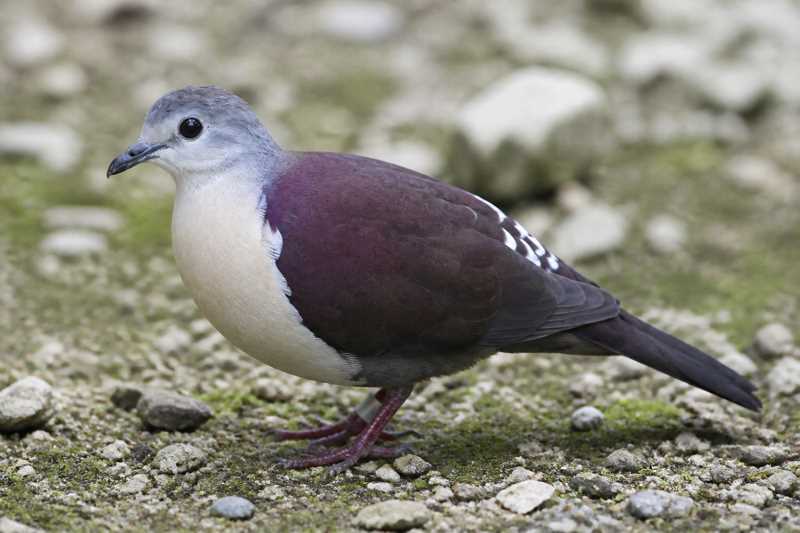
The Santa Cruz Ground Dove is a medium-sized bird, measuring approximately 24 to 26 centimeters in length. It sports a unique plumage that is predominantly grayish-brown, with a lighter underbelly. The subtle hues allow it to blend seamlessly into its forested habitat, providing a natural camouflage against predators. The bird’s wings are marked with a delicate pattern, enhancing its elegant appearance.
The dove is known for its distinctively soft cooing, which is often heard during the early morning and late afternoon. Its call, combined with its elusive nature, makes sighting this bird a rare and rewarding experience for bird watchers.
Habitat and Distribution
Pampusana sanctaecrucis is primarily found in the dense forests of the Solomon Islands, particularly in the Santa Cruz group of islands, from which it derives its name. The islands’ lush tropical environment provides an ideal habitat for the ground dove, offering ample food sources such as seeds, fruits, and small invertebrates.
The bird’s habitat preference leans towards undisturbed primary forests, where it can forage on the forest floor with minimal human interference. However, the increasing rate of deforestation and habitat disruption poses a significant threat to the species, pushing it further into isolated and fragmented areas.
Conservation Status
The Santa Cruz Ground Dove is currently listed as Critically Endangered on the IUCN Red List. The main threats to its survival include habitat loss due to logging and agricultural expansion, as well as predation by invasive species such as rats and cats. These factors have led to a dramatic decline in its population, making conservation efforts crucial.
Conservation organizations, in collaboration with local communities, are working tirelessly to implement measures to protect the remaining habitats of the Santa Cruz Ground Dove. Initiatives include reforestation projects, the establishment of protected areas, and the control of invasive species.
Research and Conservation Efforts
Despite being critically endangered, the Santa Cruz Ground Dove remains an under-researched species, primarily due to its remote habitat and elusive behavior. Recent efforts have been made to conduct surveys and gather data on its population size and distribution, which are vital for developing effective conservation strategies.
Organizations such as BirdLife International and local conservation groups have been instrumental in raising awareness about the plight of the Santa Cruz Ground Dove. Educational programs aimed at local communities emphasize the importance of preserving native biodiversity and involve them in conservation activities.
In addition to field research, there is a growing interest in genetic studies to understand the evolutionary history of the Santa Cruz Ground Dove and its relation to other ground dove species. Such research can provide insights into its adaptability and inform conservation strategies.
The Role of Ecotourism
Ecotourism has emerged as a potential avenue for supporting conservation efforts while providing economic benefits to local communities. By promoting bird-watching tours and eco-friendly travel experiences, conservationists hope to create a sustainable model that incentivizes the protection of habitats vital to the Santa Cruz Ground Dove.
Tour operators and conservationists are encouraged to collaborate in developing ecotourism initiatives that highlight the unique biodiversity of the Solomon Islands, including the Santa Cruz Ground Dove. Such efforts can help generate funds for conservation projects and foster a sense of pride and responsibility towards protecting natural heritage.
Conclusion
The Santa Cruz Ground Dove is a symbol of the unique biodiversity found in the Solomon Islands, and its conservation is of paramount importance. While challenges remain, the combined efforts of researchers, conservationists, and local communities offer hope for the survival of this rare bird. By continuing to study and protect the habitats of the Santa Cruz Ground Dove, we can ensure that future generations will have the opportunity to marvel at this elusive and enchanting species.
Through increased awareness, research, and community involvement, the Santa Cruz Ground Dove may yet thrive once again in its natural habitat, serving as a testament to the resilience of nature when given the chance to recover.
Related posts