The Enchanting White-throated Ground Dove: A Closer Look at Pampusana xanthonura
In the serene landscapes of the Pacific islands, the White-throated Ground Dove, scientifically known as Pampusana xanthonura, graces the natural tapestry with its subtle elegance and unique ecological role. This bird, a member of the family Columbidae, is an emblematic species, offering intriguing insights into avian adaptation and island ecology.
Physical Characteristics
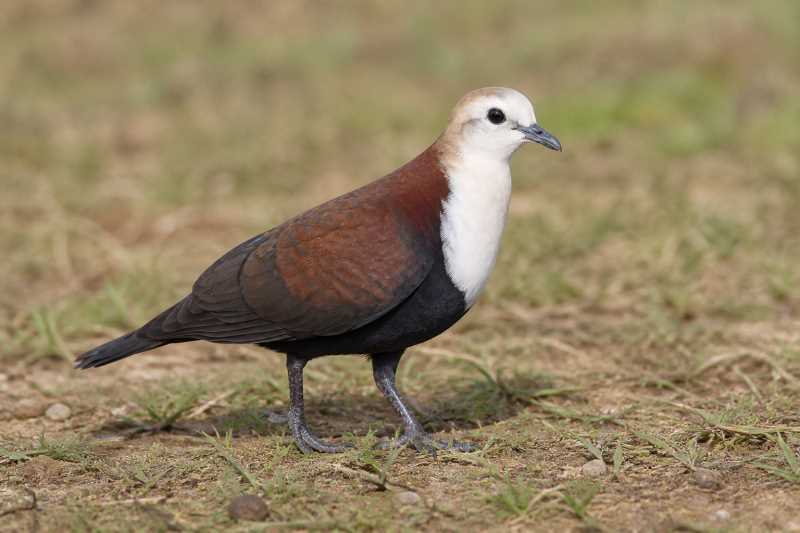
The White-throated Ground Dove is distinguished by its modest yet striking appearance. Typically measuring around 26 centimeters in length, this bird showcases a harmonious blend of colors. Its plumage is predominantly a muted brown, providing effective camouflage against the forest floor. The species earns its name from the white patch prominently displayed on its throat, a feature that contrasts beautifully with its otherwise understated coloration.
The dove’s eyes are a captivating shade of red, while its legs and feet exhibit a dull pink hue. Sexual dimorphism is subtle, with males and females appearing largely similar, although females may display slightly duller tones. Overall, the White-throated Ground Dove is a testament to the understated beauty of island avifauna.
Habitat and Distribution
Endemic to the Northern Mariana Islands and the Federated States of Micronesia, the White-throated Ground Dove thrives in the dense undergrowth of tropical and subtropical forests. These birds prefer forested environments, where they can forage for seeds and fruits on the ground. Their range includes the islands of Guam, Saipan, Tinian, and Rota, among others.
Unfortunately, habitat loss poses a significant threat to their populations. Deforestation and the encroachment of invasive species have resulted in dwindling numbers, prompting conservationists to prioritize habitat preservation efforts for these doves. The unique ecology of the islands they inhabit means that even small environmental changes can have substantial impacts on the species.
Behavior and Diet
The White-throated Ground Dove is primarily ground-dwelling, as its name suggests. It spends a considerable amount of time foraging on the forest floor, in search of seeds, fruits, and occasionally small invertebrates. Their diet is diverse, reflecting the varied flora of their island habitats, and their foraging behavior plays a crucial role in seed dispersal, contributing to the health and regeneration of their ecosystems.
These doves are generally solitary or found in pairs, exhibiting a calm and unhurried demeanor. During the breeding season, they become more vocal, with males producing a soft, repetitive cooing sound to attract mates and establish territories. Nesting typically occurs in low shrubs or trees, where they build simple platforms of twigs to rear their young.
Conservation Status
The White-throated Ground Dove is currently listed as Near Threatened by the International Union for Conservation of Nature (IUCN). The primary threats to their survival are habitat destruction, predation by invasive species such as the brown tree snake, and hunting. Efforts to conserve this species are ongoing and include habitat restoration, predator control, and public awareness campaigns.
In recent years, conservationists have made strides in controlling invasive species populations and restoring natural habitats, offering hope for the dove’s future. Additionally, initiatives aimed at promoting sustainable land-use practices are essential to ensure that these birds continue to thrive in their natural environments.
The Importance of Conservation
Preserving the White-throated Ground Dove is not only about saving a single species but also about protecting the intricate web of life on the islands they call home. These doves are integral to their ecosystems, serving as both seed dispersers and prey for native predators. Their decline could lead to a cascade of ecological consequences, affecting numerous other species.
Conservation efforts must be multi-faceted, addressing both direct threats to the doves and broader environmental issues. This includes engaging local communities in conservation initiatives, as their support is vital for long-term success. Education programs that highlight the importance of biodiversity and the role of species like the White-throated Ground Dove can foster a sense of stewardship among island residents.
Conclusion
The White-throated Ground Dove stands as a symbol of the delicate balance of island ecosystems. Its survival is intertwined with the health of its habitat, and efforts to protect it embody the broader challenge of conserving biodiversity in a rapidly changing world. As we continue to study and appreciate these remarkable birds, we are reminded of the beauty and fragility of nature, and the responsibility we bear to ensure its preservation for future generations.
Related posts