Introduction
The Eritrean Yellow Bat, scientifically known as Scotophilus colias, is a fascinating species of bat belonging to the family Vespertilionidae. This species, like many other bats, plays a crucial role in the ecosystem as a natural pest controller. Though not as widely studied as some of its relatives, the Eritrean Yellow Bat holds significant ecological importance and presents intriguing features that appeal to both scientists and wildlife enthusiasts. In this article, we delve into the various aspects of this unique mammal, including its physical characteristics, habitat, behavior, conservation status, and more.
Physical Description
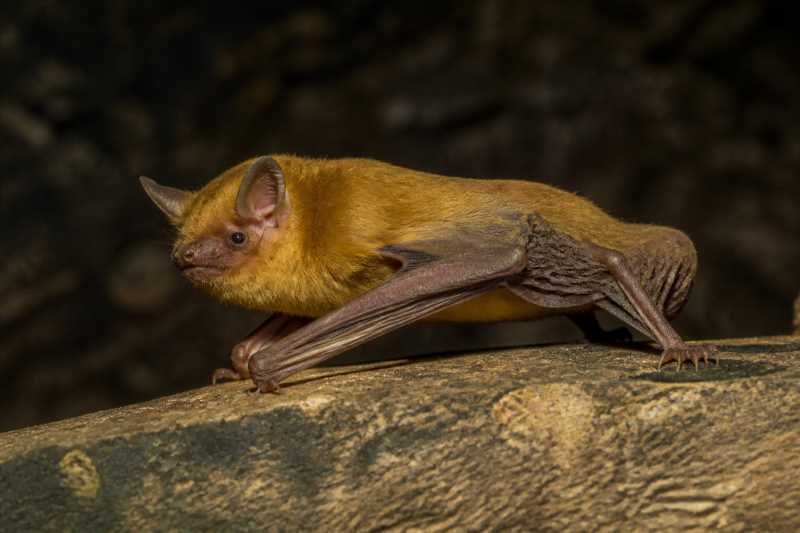
The Eritrean Yellow Bat is a medium-sized bat species characterized by its distinct yellowish fur, which gives the species its common name. The fur is typically dense and soft, providing insulation and protection. The bat’s body length typically ranges from 8 to 12 centimeters, with a wingspan of approximately 30 to 35 centimeters, which allows for agile flight. Their ears are relatively short but broad, adapted for acute hearing which aids in echolocation. This species exhibits sexual dimorphism, with females generally being slightly larger than males.
One of the most distinctive features of the Eritrean Yellow Bat is its wing structure. The wings are long and narrow, designed for sustained flight and efficient hunting. The membranes of the wings are typically a darker shade, often contrasting with the lighter body fur. The bat’s eyes are small, as is typical for echolocating species, and its snout is slightly pointed.
Range and Habitat
The Eritrean Yellow Bat is primarily found in the northeastern regions of Africa, with a significant population in Eritrea, as its name suggests. Its range extends into neighboring countries such as Sudan, Ethiopia, and Djibouti. These bats are typically associated with arid and semi-arid environments, but they are also known to inhabit savannas and open woodlands.
They prefer habitats that offer ample roosting opportunities, such as hollow trees, caves, and man-made structures like abandoned buildings or attics. The availability of water sources is a crucial factor in their habitat selection, as these bats require water for drinking and to support the insect populations they feed on.
Behavior and Diet
Eritrean Yellow Bats are nocturnal creatures, spending their days roosting in dark, secluded locations, and becoming active at dusk. Their nocturnal nature is a key adaptation that helps them avoid many predators while exploiting the abundance of nocturnal insects.
Their diet primarily consists of flying insects, including moths, beetles, and mosquitoes, making them vital for controlling insect populations. These bats utilize echolocation to navigate and hunt in the dark, emitting high-frequency calls and interpreting the returning echoes to detect prey and obstacles.
Socially, Eritrean Yellow Bats are known to form small colonies, which can be composed of a few individuals to several dozen. These colonies are often found in the same roosting sites year after year, indicating site fidelity. During the breeding season, which typically occurs in the warmer months, females give birth to one or two offspring after a gestation period of about three months.
Identification Tips (Field Recognition Cues)
Identifying the Eritrean Yellow Bat in the field requires attention to several key characteristics:
- Fur Coloration: Look for the distinctive yellowish fur, which is a standout feature of this species.
- Size and Wingspan: Note the medium size and relatively large wingspan compared to body size.
- Habitat Preference: Observe the habitat; these bats are often found in arid or semi-arid regions, particularly near water sources.
- Echolocation Calls: Use a bat detector to listen for echolocation calls, which can help differentiate them from other bat species.
- Roosting Sites: Check for roosting in hollow trees, caves, or buildings, common sites for this species.
Conservation Status (with threats and protections)
The conservation status of the Eritrean Yellow Bat is currently listed as Least Concern by the International Union for Conservation of Nature (IUCN). However, like many bat species, it faces several threats that could impact its populations in the future.
Threats
- Habitat Destruction: Deforestation, urbanization, and agricultural expansion are leading to the loss of natural roosting and feeding habitats.
- Water Pollution: Contamination of water sources affects the availability of clean drinking water and can lead to declines in insect prey populations.
- Climate Change: Alterations in climate patterns can affect habitat suitability and food availability.
Protections
- Protected Areas: Some of the bat’s habitats are located within protected areas, which help conserve critical ecosystems.
- Research and Monitoring: Ongoing research and population monitoring can provide valuable data to inform conservation strategies.
- Public Awareness: Raising awareness about the ecological role of bats and dispelling myths can lead to better protection measures.
Frequently Asked Questions
What is the primary diet of the Eritrean Yellow Bat?
The Eritrean Yellow Bat primarily feeds on flying insects, such as moths, beetles, and mosquitoes, utilizing echolocation to hunt effectively at night.
Where can the Eritrean Yellow Bat be found?
This bat species is found in northeastern Africa, particularly in Eritrea, Sudan, Ethiopia, and Djibouti, preferring arid and semi-arid environments.
How do Eritrean Yellow Bats contribute to the ecosystem?
They play a crucial role in controlling insect populations, thus aiding in pest management and reducing the spread of insect-borne diseases.
What are the main threats to the Eritrean Yellow Bat?
The primary threats include habitat destruction, water pollution, and climate change, all of which can impact their populations and habitats.
How can I identify an Eritrean Yellow Bat in the field?
Look for their distinctive yellowish fur, medium size, preference for arid habitats near water, and listen for their echolocation calls using a bat detector.
Related posts