Introduction
The Alpine Pika (Ochotona alpina) is a small, herbivorous mammal belonging to the family Ochotonidae. Known for their high-pitched calls and their ability to survive in some of the harshest alpine environments, these creatures are vital components of their ecosystems. The Alpine Pika is often referred to as the ‘whistling hare’ due to its distinctive vocalizations.
Pikas play a crucial role in their habitats as both prey and ecosystem engineers, contributing to the biodiversity of alpine and subalpine ecosystems. With the increasing impact of climate change, understanding the Alpine Pika’s biology and ecology has become more critical than ever.
Physical Description
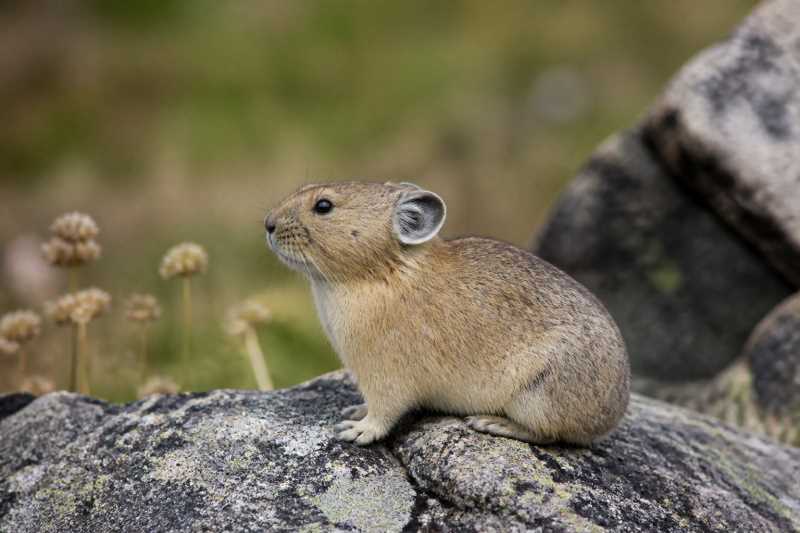
The Alpine Pika is a small mammal, typically weighing between 160 to 200 grams and measuring about 18 to 23 centimeters in length. Unlike rabbits and hares, pikas have short limbs and no visible tail, giving them a compact, rounded appearance.
Their fur is dense and soft, providing insulation against the cold alpine climate. The coloration of their fur varies seasonally, generally ranging from a greyish brown in the summer to a more muted, drab hue in the winter. This seasonal change in coloration helps them blend into their surroundings, providing camouflage from predators.
The Alpine Pika has large, rounded ears that aid in detecting predators and maintaining balance. Their whiskers are long and sensitive, helping them navigate their rocky habitats.
Range and Habitat
Alpine Pikas are found predominantly in the mountainous regions of Central Asia, including parts of Russia, Mongolia, Kazakhstan, and China. They inhabit rocky talus slopes and alpine meadows at elevations ranging from 1,500 to 4,000 meters above sea level.
These pikas prefer habitats with abundant vegetation and rocky outcrops where they can find shelter and create their complex burrow systems. The rugged terrain provides protection from predators and harsh weather conditions. Alpine Pikas are also known to inhabit areas with abundant scree and boulder fields, which offer both food sources and refuge.
Behavior and Diet
Alpine Pikas are diurnal, meaning they are active during the day. They are solitary creatures, although they can sometimes be observed in small family groups. Pikas are known for their territorial behavior, often marking their territory with scent and vocalizations.
Their diet primarily consists of various grasses, herbs, and alpine flora. During the summer months, Alpine Pikas engage in haymaking, where they collect and dry plant materials for winter consumption. This behavior is crucial for their survival during the harsh winter months when food is scarce.
Pikas are known for their distinctive calls, which serve various purposes, including alerting others of potential threats and establishing territory boundaries. These vocalizations are high-pitched and can be heard echoing across alpine landscapes.
Identification Tips
Identifying an Alpine Pika in the field requires keen observation and a few key recognition cues:
- Size and Shape: Look for a small, rounded mammal with no visible tail and short limbs.
- Fur Coloration: Note the seasonal changes in fur color, from greyish brown in summer to a muted tone in winter.
- Ears and Whiskers: Large, rounded ears and long whiskers are distinctive features.
- Calls: Listen for their high-pitched, whistling calls, which are often the first indication of their presence.
- Habitat: Check rocky talus slopes and alpine meadows at high elevations.
Conservation Status
The Alpine Pika is currently listed as Least Concern by the International Union for Conservation of Nature (IUCN). However, several factors threaten their populations, including climate change, habitat degradation, and human encroachment.
Threats:
- Climate Change: Rising temperatures and altered precipitation patterns threaten their alpine habitats, potentially leading to habitat loss and fragmentation.
- Human Activities: Expansion of agriculture, mining, and tourism in mountainous regions can degrade habitats and reduce available resources.
Protections:
- Protected Areas: Many regions inhabited by Alpine Pikas are part of national parks and reserves, which offer some protection against human disturbances.
- Research and Monitoring: Ongoing studies aim to monitor population trends and assess the impacts of climate change on their habitats.
Frequently Asked Questions
- What do Alpine Pikas eat?
Alpine Pikas primarily feed on grasses, herbs, and alpine plants. They engage in haymaking during the summer, storing food for winter.
- How do Alpine Pikas communicate?
Alpine Pikas use high-pitched vocalizations to communicate. These calls serve to warn of predators, mark territory, and maintain social bonds.
- Where can I observe Alpine Pikas?
They are typically found in the mountainous regions of Central Asia, inhabiting rocky talus slopes and alpine meadows at high elevations.
- Are Alpine Pikas endangered?
Currently, Alpine Pikas are listed as Least Concern, but they face threats from climate change and habitat degradation.
- How do Alpine Pikas adapt to cold climates?
Their dense fur provides insulation, and their haymaking behavior ensures a food supply during harsh winters.
Related posts