Introduction
Cerqueira’s Vesper Mouse, scientifically named Calomys cerqueirai, is a fascinating species within the diverse rodent family, Cricetidae. This small mammal is a part of the vast ecosystem of South America, specifically found in the unique biomes of Brazil. Understanding the intricacies of this species not only contributes to our knowledge of biodiversity but also plays a crucial role in conservation efforts.
Named in honor of the renowned Brazilian mammalogist, Dr. Carlos J. Cerqueira, this mouse is a testament to the rich wildlife heritage of Brazil. Despite being relatively unknown to the general public, Cerqueira’s Vesper Mouse is an essential component of its habitat, contributing to the ecological balance by participating in seed dispersal and providing prey for larger predators.
This article delves into the various aspects of Cerqueira’s Vesper Mouse, from its physical characteristics and habitat preferences to its behavior and conservation status. Whether you are a wildlife enthusiast, a student, or a researcher, this article will provide comprehensive insights into this intriguing species.
Physical Description
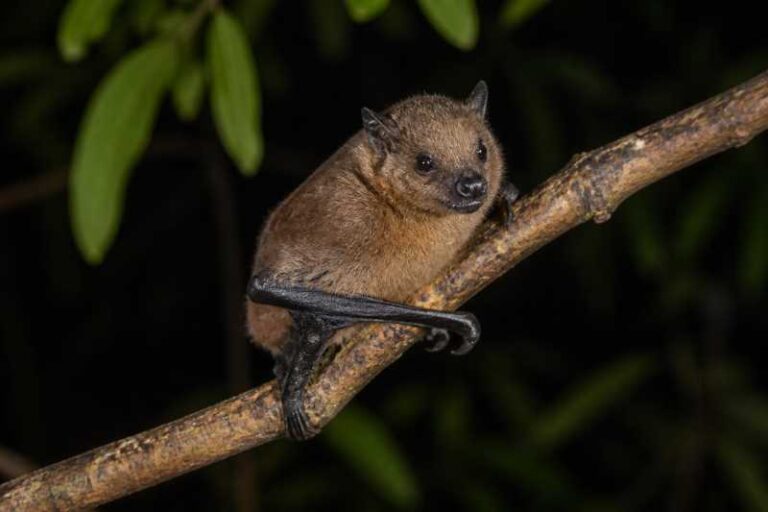
Cerqueira’s Vesper Mouse is a small rodent, typically measuring between 7 to 10 centimeters in body length, with a tail that is slightly shorter than its body. It has a relatively slender build, making it agile and quick, which is crucial for escaping predators and navigating its habitat. The fur of this mouse is a blend of gray and brown tones, providing excellent camouflage against the forest floor and dry shrubs, a feature that is vital for its survival.
The underbelly of the mouse is usually lighter, with shades ranging from white to a pale gray. This contrast between the upper and lower body helps in thermal regulation and further aids in its camouflage. The ears are moderately sized, and its eyes are adapted to low-light environments, reflecting its nocturnal lifestyle.
Range and Habitat
Cerqueira’s Vesper Mouse is predominantly found in Brazil, particularly in the Cerrado and Atlantic Forest biomes. These regions are characterized by their rich biodiversity and unique ecological compositions, providing an ideal environment for this species.
The Cerrado, known for its savanna-like vegetation, offers a mosaic of grasslands, shrublands, and forested areas. This diversity in habitat types supports a wide range of flora and fauna, including Cerqueira’s Vesper Mouse. The Atlantic Forest, on the other hand, is a tropical rainforest that provides dense vegetation and a humid climate, further supporting the survival of this species.
Cerqueira’s Vesper Mouse is highly adaptable, capable of thriving in various microhabitats ranging from open fields to dense underbrush. However, it shows a preference for areas with abundant ground cover, which offers protection from predators and harsh weather conditions.
Behavior and Diet
As a nocturnal species, Cerqueira’s Vesper Mouse is predominantly active during the night. This behavior helps it avoid predation and allows it to exploit food resources that are less accessible to diurnal animals. During the day, the mouse seeks shelter in burrows or under dense vegetation, where it rests and conserves energy.
The diet of Cerqueira’s Vesper Mouse is omnivorous, consisting of seeds, fruits, and insects. This varied diet not only provides essential nutrients but also plays a role in seed dispersal, contributing to the ecological dynamics of its habitat. The mouse’s foraging behavior is influenced by seasonal changes, with a diet that adjusts according to the availability of food resources.
Identification Tips (Field Recognition Cues)
Identifying Cerqueira’s Vesper Mouse in the wild requires keen observation and knowledge of its physical and behavioral traits. Here are some field recognition cues to help identify this species:
- Size and Shape: Look for a small rodent with a body length of 7 to 10 centimeters and a proportionally shorter tail.
- Fur Coloration: Note the gray-brown fur on the dorsal side with a lighter underbelly, which aids in camouflage.
- Habitat: Focus on areas with dense ground cover in the Cerrado and Atlantic Forest regions.
- Activity Patterns: Observe nocturnal activity, as this species is active primarily at night.
- Dietary Signs: Look for signs of seed and fruit consumption, as well as insect remnants, which indicate the presence of this omnivorous mouse.
Conservation Status (with Threats and Protections)
Cerqueira’s Vesper Mouse is currently classified as "Least Concern" by the International Union for Conservation of Nature (IUCN), indicating that it is not facing significant threats of extinction at present. However, like many species in Brazil, it is affected by habitat loss due to deforestation, agricultural expansion, and urban development.
The destruction of the Cerrado and Atlantic Forest biomes poses the greatest threat to this species, as these areas are crucial for its survival. Efforts to conserve these habitats are vital for the long-term survival of Cerqueira’s Vesper Mouse and other endemic species.
Brazil has implemented various conservation measures, such as establishing protected areas and promoting sustainable land use practices. These efforts aim to preserve the biodiversity of these unique ecosystems while supporting the livelihoods of local communities.
Frequently Asked Questions
1. What is the primary habitat of Cerqueira’s Vesper Mouse?
Cerqueira’s Vesper Mouse primarily inhabits the Cerrado and Atlantic Forest biomes in Brazil. These areas provide a diverse range of microhabitats, from open fields to dense forests, which are essential for its survival.
2. How does Cerqueira’s Vesper Mouse contribute to its ecosystem?
This species plays a crucial role in seed dispersal and serves as prey for larger predators, thus contributing to the ecological balance of its habitat. Its omnivorous diet helps in the control of insect populations and the propagation of plant species.
3. Are there any conservation efforts in place for Cerqueira’s Vesper Mouse?
Yes, there are several conservation efforts aimed at protecting the habitats of Cerqueira’s Vesper Mouse. These include the establishment of protected areas and the promotion of sustainable land use practices to prevent habitat destruction.
4. What are the main threats to Cerqueira’s Vesper Mouse?
The primary threats to this species are habitat loss due to deforestation, agricultural expansion, and urban development. These activities lead to the fragmentation and destruction of the Cerrado and Atlantic Forest biomes, which are critical for the mouse’s survival.
5. How can I identify Cerqueira’s Vesper Mouse in the wild?
To identify Cerqueira’s Vesper Mouse, look for a small rodent with gray-brown fur, a lighter underbelly, and nocturnal activity patterns. It is commonly found in areas with dense ground cover within the Cerrado and Atlantic Forest regions.
Related posts