Popayan Oldfield Mouse (Thomasomys popayanus): A Comprehensive Overview
Introduction
The Popayan Oldfield Mouse, scientifically known as Thomasomys popayanus, is a lesser-known rodent species native to the Andean regions of South America. Despite its obscurity in popular culture, this species plays a crucial role in its ecosystem. This article delves into the various aspects of this fascinating mammal, covering its physical characteristics, habitat, behavior, and current conservation status.
Physical Description
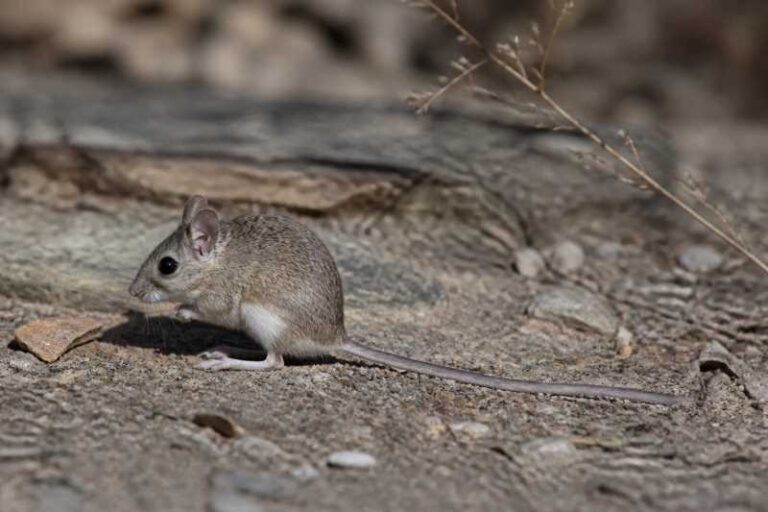
The Popayan Oldfield Mouse is characterized by its small size and distinctive features. Typically, the mouse measures between 10 to 15 centimeters in body length, with a tail that often equals or slightly exceeds the body length, providing balance and agility in its arboreal lifestyle. The fur of Thomasomys popayanus is usually a dull brown or gray, which acts as camouflage against the forest floor and tree bark.
This rodent has a pointed snout and large, round ears that are well-suited to its environment, allowing for acute hearing to detect predators or prey. The eyes are moderately sized, reflecting its nocturnal habits, as the species is primarily active during the night. The feet have strong claws adapted for climbing and foraging in the dense Andean forests.
Range and Habitat
Thomasomys popayanus is indigenous to the Andean mountain ranges, particularly in Colombia. Its distribution is primarily centered around the high-altitude forests, where it finds abundant cover and food sources. These mice have adapted to live in elevations ranging from 2,000 to 3,500 meters above sea level, where temperatures can vary significantly between day and night.
The habitat of the Popayan Oldfield Mouse is typically characterized by dense undergrowth, moss-covered trees, and a rich layer of leaf litter. This environment provides ample opportunity for concealment and foraging. The species is known to be arboreal, often nesting in tree hollows or burrows to evade predators and harsh weather conditions.
Behavior and Diet
The Popayan Oldfield Mouse exhibits nocturnal behavior, being most active during the night when it forages for food. Its diet is omnivorous, consisting mainly of seeds, fruits, insects, and occasionally small vertebrates. This dietary flexibility allows it to adapt to seasonal changes in food availability within its mountainous habitat.
Socially, these mice are relatively solitary creatures, coming together primarily for mating purposes. Breeding occurs throughout the year, with females giving birth to litters of two to four young after a gestation period of approximately three weeks. The young are born blind and helpless, requiring several weeks of parental care before they are independent.
Identification Tips (Field Recognition Cues)
Identifying the Popayan Oldfield Mouse in the wild requires attention to detail due to its cryptic coloration and elusive nature. Here are some tips for recognizing this species:
- Size and Proportions: Look for a small rodent with a body length of 10 to 15 centimeters and a tail of similar length.
- Fur Coloration: Note the dull brown or gray fur, which blends seamlessly with the forest floor and tree bark.
- Ear and Snout Shape: The large, rounded ears and pointed snout are distinctive features to look for.
- Behavior: Observe nocturnal activity and arboreal habits, as these mice are often seen climbing trees or foraging on the ground at dusk or dawn.
Conservation Status (with Threats and Protections)
The conservation status of the Popayan Oldfield Mouse is currently listed as "Data Deficient" by the International Union for Conservation of Nature (IUCN). This designation indicates that there is insufficient information to make a direct or indirect assessment of its risk of extinction based on its distribution and/or population status.
Threats
The primary threats to Thomasomys popayanus include habitat destruction and fragmentation due to agricultural expansion, logging, and urban development. These activities reduce the available habitat and food resources, putting pressure on the species.
Protections
Conservation efforts for the Popayan Oldfield Mouse are limited due to its "Data Deficient" status. However, some of the regions it inhabits are protected under national park legislation, which helps safeguard its habitat to some extent. Increased research and monitoring are necessary to better understand the population dynamics and ecological needs of the species to develop effective conservation strategies.
Frequently Asked Questions
What is the habitat of the Popayan Oldfield Mouse?
The Popayan Oldfield Mouse inhabits high-altitude Andean forests in Colombia, living in elevations between 2,000 and 3,500 meters. These forests provide the dense undergrowth and arboreal opportunities the species requires.
How can you identify a Popayan Oldfield Mouse?
Identification can be made by noting its small size (10-15 cm body length), dull brown or gray fur, large ears, and nocturnal, arboreal habits.
What is the diet of the Popayan Oldfield Mouse?
The species is omnivorous, feeding on seeds, fruits, insects, and occasionally small vertebrates, which allows it to adapt to seasonal variations in food availability.
Why is the Popayan Oldfield Mouse listed as "Data Deficient"?
The IUCN lists the species as "Data Deficient" due to a lack of comprehensive data on its population size, distribution, and trends, hindering a clear assessment of its conservation status.
What are the main threats to the Popayan Oldfield Mouse?
The main threats include habitat destruction and fragmentation resulting from agricultural expansion, logging, and urban development, which reduce available habitat and resources.
Related posts