Introduction
The Crested Roundleaf Bat, scientifically known as Hipposideros inexpectatus, is a fascinating yet lesser-known species of bat that belongs to the family Hipposideridae. This bat is distinguished by its unique physical characteristics and behaviors, which have intrigued researchers and wildlife enthusiasts alike. Understanding the Crested Roundleaf Bat is crucial for appreciating the biodiversity of the regions it inhabits and for ensuring its conservation. This article delves into the physical attributes, habitat, behaviors, and conservation status of this remarkable mammal, providing insights into its ecological importance and the challenges it faces.
Physical Description
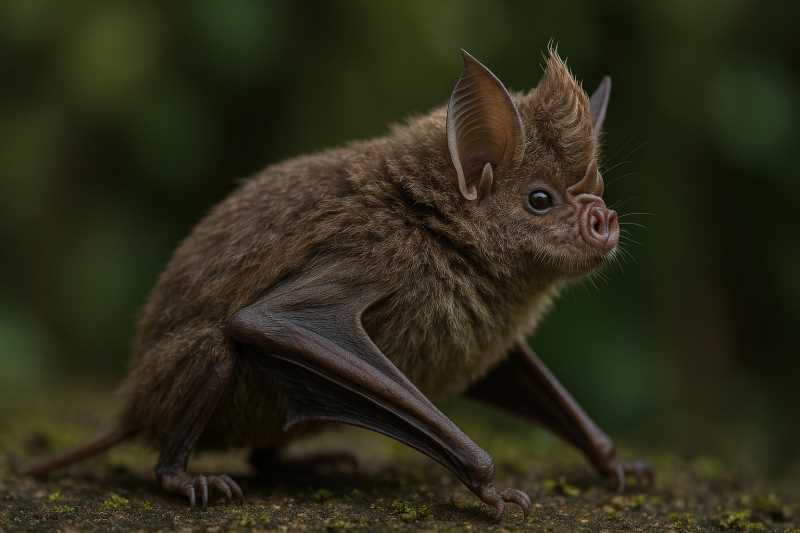
The Crested Roundleaf Bat is a relatively small species, characterized by its distinctive roundleaf nose structure, which aids in echolocation. Adult bats typically weigh between 5 to 12 grams, with a wingspan ranging from 30 to 35 centimeters. Their fur is generally a muted gray or brown, providing effective camouflage against the bark and foliage of their natural habitats.
One of the most striking features of the Crested Roundleaf Bat is the crest-like structure on its noseleaf, which is responsible for its common name. This structure, along with the intricate folds and ridges on its face, plays a critical role in its sophisticated echolocation abilities. The bat’s ears are moderately large and rounded, facilitating acute hearing that complements its nocturnal lifestyle.
Range and Habitat
The Crested Roundleaf Bat is primarily found in Southeast Asia, with confirmed populations in countries such as Malaysia, Indonesia, and parts of Thailand. Its habitat preference includes tropical and subtropical regions, typically roosting in limestone caves, rock crevices, and sometimes in the dense foliage of forests.
These bats are highly adapted to their environment, which is characterized by high humidity and dense vegetation. Such habitats provide ample food resources and roosting sites, critical for their survival and reproduction. Conservation of these habitats is essential for maintaining the ecological role of the Crested Roundleaf Bat in controlling insect populations.
Behavior and Diet
Crested Roundleaf Bats are nocturnal, spending their days roosting in secluded, dark environments and emerging at dusk to forage. Their diet primarily consists of insects, with a preference for moths, beetles, and other small flying insects. Echolocation is their primary tool for hunting, allowing them to navigate and capture prey with remarkable precision.
Social behavior in Crested Roundleaf Bats is characterized by small colony formations, often comprising a few dozen individuals. These colonies exhibit a complex social structure, with bats communicating through a series of high-pitched calls and ultrasonic signals, which are also used in echolocation.
Identification Tips (Field Recognition Cues)
Identifying the Crested Roundleaf Bat in the wild requires attention to several key features:
- Noseleaf Structure: Look for the distinctive crest-like shape on the bat’s noseleaf, a hallmark of the species.
- Size and Color: Note the bat’s small size and the gray or brown coloration of its fur, which aids in blending with its surroundings.
- Roosting Habits: These bats are often found in limestone caves or dense forest areas, roosting in small colonies.
- Call Frequency: The echolocation calls of this species are within a specific ultrasonic range that can be detected using specialized equipment.
Conservation Status (With Threats and Protections)
The conservation status of the Crested Roundleaf Bat is currently listed as "Data Deficient" by the International Union for Conservation of Nature (IUCN), primarily due to a lack of comprehensive data on its population size and distribution. However, the species faces several threats that could impact its survival.
Habitat destruction, particularly due to deforestation and mining activities in Southeast Asia, poses a significant threat to their natural roosting sites. Additionally, disturbances from human activities in caves where they roost can lead to colony disruption. Conservation efforts must focus on habitat protection and management, as well as further research to better understand the species’ ecology and distribution.
Frequently Asked Questions
Why is this species unique?
The Crested Roundleaf Bat is unique due to its specialized noseleaf structure, which plays a crucial role in its echolocation capabilities. This adaptation is not only fascinating from an evolutionary perspective but also essential for its survival as a nocturnal insectivore.
What role does the Crested Roundleaf Bat play in its ecosystem?
As insectivores, Crested Roundleaf Bats play a vital role in controlling insect populations, helping to maintain ecological balance. This predation on insects can also benefit agricultural practices by reducing pest species.
How can we help conserve the Crested Roundleaf Bat?
Conservation efforts can be supported by promoting and participating in habitat protection initiatives, funding research to gather more data on the species, and raising awareness about the ecological importance of bats through educational programs.
What are the main threats to the Crested Roundleaf Bat?
The main threats include habitat destruction due to deforestation and mining, as well as disturbances from human activities in their roosting sites. These factors can lead to habitat loss and population declines.
Are there any conservation programs in place for this species?
While specific conservation programs for the Crested Roundleaf Bat are limited, broader initiatives aimed at preserving Southeast Asian forests and cave ecosystems indirectly benefit this species. Continued advocacy and research are needed to establish targeted conservation actions.
Related posts