Adam’s Horseshoe Bat (Rhinolophus adami): A Comprehensive Guide
Introduction
Adam’s Horseshoe Bat (Rhinolophus adami) is a fascinating and lesser-known species within the Rhinolophidae family, known for its distinctive horseshoe-shaped nose leaf. This unique anatomical feature not only gives the genus its name but also plays a crucial role in the bat’s echolocation abilities. Found predominantly in specific regions of Southeast Asia, Adam’s Horseshoe Bat exhibits intriguing behaviors and adaptations that make it a subject of interest for researchers and bat enthusiasts alike. This comprehensive guide delves into the various aspects of this species, highlighting its physical characteristics, habitat preferences, behavior, and conservation status.
Physical Description
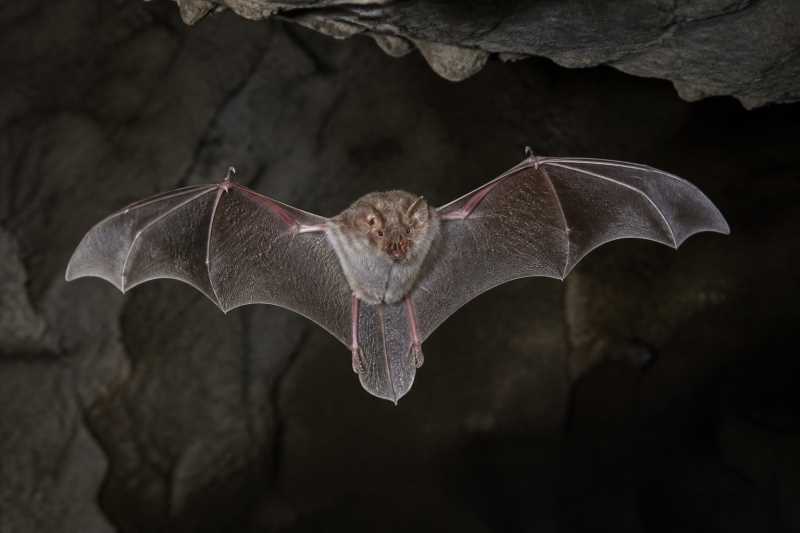
Adam’s Horseshoe Bat is a medium-sized bat characterized by its prominent nose leaf, which is shaped like a horseshoe and aids in its sophisticated echolocation system. The species typically weighs between 15 to 25 grams and has a wingspan ranging from 30 to 35 centimeters, making it well-suited for agile flight through dense forests. The fur of Rhinolophus adami is generally a grayish-brown, providing effective camouflage against the bark of trees and the forest floor. The bat’s ears are large and rounded, enhancing its auditory capabilities, while its eyes are relatively small, reflecting its reliance on sound rather than sight for navigation and hunting.
Range and Habitat
The natural range of Adam’s Horseshoe Bat is confined to the tropical and subtropical forests of Southeast Asia, with sightings reported in countries such as Thailand, Malaysia, and Indonesia. This species prefers lowland and montane forests, where it can find ample roosting sites and a rich supply of insect prey. Adam’s Horseshoe Bat is also known to inhabit limestone caves, which offer a stable microclimate and protection from predators. The species’ reliance on forested habitats makes it particularly vulnerable to deforestation and habitat fragmentation.
Behavior and Diet
Adam’s Horseshoe Bat is primarily nocturnal, emerging at dusk to forage for food. Its diet consists mainly of insects, including moths, beetles, and flies, which it catches in mid-flight using its acute echolocation abilities. The bat’s foraging behavior is characterized by swift, agile flight patterns that allow it to maneuver through densely vegetated areas with ease. During the day, Adam’s Horseshoe Bat roosts in groups, often in caves or hollow trees, where it can conserve energy and maintain social bonds with other members of its colony.
Identification Tips
Identifying Adam’s Horseshoe Bat in the field requires careful observation of several key features:
- Nose Leaf: The bat’s distinct horseshoe-shaped nose leaf is its most recognizable feature.
- Size and Coloration: Look for a medium-sized bat with grayish-brown fur.
- Flight Pattern: Observe the bat’s agile and erratic flight, typical of insectivorous bats.
- Roosting Sites: Check for bats in limestone caves or hollow trees during the day.
- Echolocation Calls: Though not visible, the bat’s echolocation calls can be detected using specialized equipment.
Conservation Status
Adam’s Horseshoe Bat is currently classified as Near Threatened on the IUCN Red List, primarily due to habitat loss and fragmentation. The ongoing deforestation in Southeast Asia poses a significant threat to the species, as it relies heavily on intact forest ecosystems for survival. Additionally, the disturbance of roosting sites, particularly caves, can have detrimental effects on bat populations. Conservation efforts are focused on preserving critical habitats and implementing measures to mitigate the impact of human activities. Protected areas and wildlife reserves play a crucial role in safeguarding the future of Rhinolophus adami.
Frequently Asked Questions
What is the primary diet of Adam’s Horseshoe Bat?
Adam’s Horseshoe Bat primarily feeds on insects such as moths, beetles, and flies, which it captures using echolocation during its nocturnal foraging activities.
Where can Adam’s Horseshoe Bat be found?
This species is native to the tropical and subtropical forests of Southeast Asia, with a range that includes countries like Thailand, Malaysia, and Indonesia.
How does Adam’s Horseshoe Bat use echolocation?
The bat uses its horseshoe-shaped nose leaf to emit sound waves, which bounce off objects and return as echoes, allowing the bat to navigate and hunt in complete darkness.
What are the main threats to Adam’s Horseshoe Bat?
The primary threats include habitat loss due to deforestation, disturbance of roosting sites, and fragmentation of forested areas, which impact the bat’s ability to find food and shelter.
How can we help conserve Adam’s Horseshoe Bat?
Conservation efforts include protecting forest habitats, establishing wildlife reserves, and advocating for sustainable land-use practices to ensure the survival of the species.
Related posts