Bokermann’s Nectar Bat (Lonchophylla bokermanni): A Comprehensive Guide
Introduction
Bokermann’s Nectar Bat, scientifically known as Lonchophylla bokermanni, is a fascinating yet lesser-known member of the family Phyllostomidae. This species, named in honor of Brazilian zoologist Werner Bokermann, is a testament to the incredible diversity of the bat order Chiroptera. Despite its obscurity, the Bokermann’s Nectar Bat plays a vital role in its ecosystem, primarily through its pollination activities.
In this article, we delve into the world of Lonchophylla bokermanni, exploring its physical characteristics, habitat preferences, behaviors, and more. Our objective is to provide a detailed and SEO-optimized resource for anyone interested in this unique mammal.
Physical Description
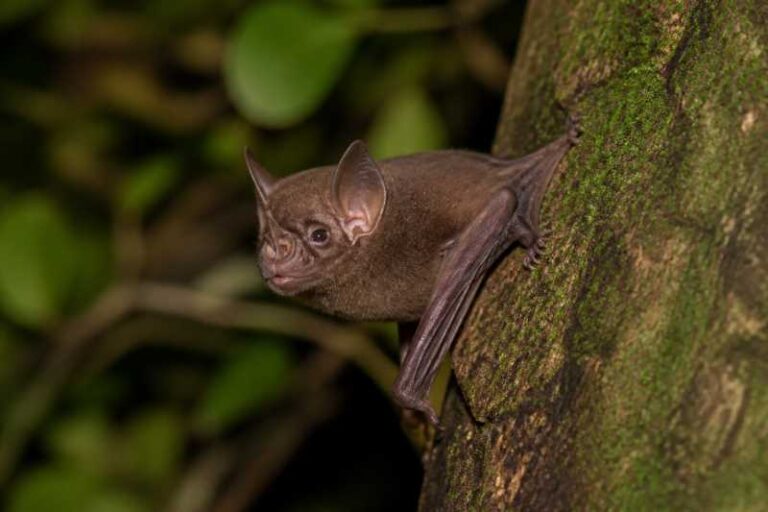
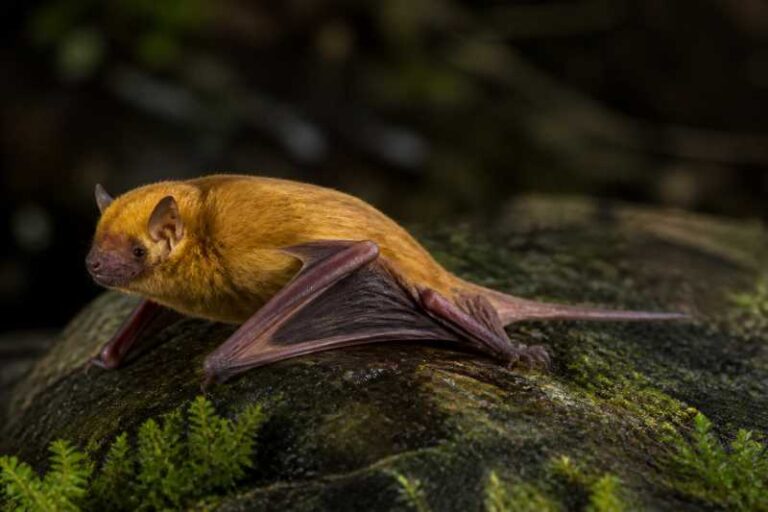
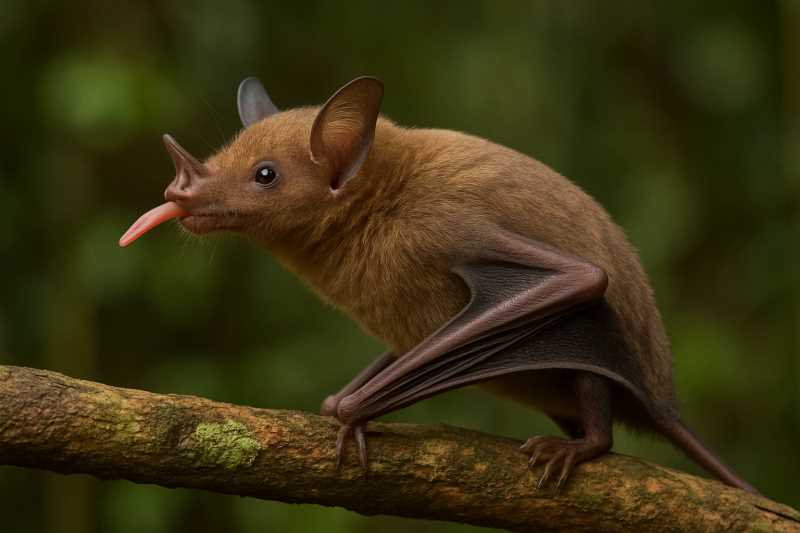
Lonchophylla bokermanni is a small to medium-sized bat distinguished by its elongated snout and tongue, adaptations crucial for its nectar-feeding lifestyle. Its fur is typically a shade of brown, providing camouflage against tree bark and the forest floor.
The bat’s wings are long and narrow, optimized for maneuverability rather than speed. This wing structure allows it to hover and navigate through dense vegetation, a necessary adaptation for accessing the flowers from which it feeds. The tail is relatively short, and the ears are medium-sized, assisting in echolocation but not particularly prominent.
A notable feature of the Bokermann’s Nectar Bat is its leaf-nose, a characteristic trait of the Phyllostomidae family, which aids in echolocation. The bat’s dental structure is another point of interest, with specialized teeth that allow it to feed on both nectar and insects.
Range and Habitat
The known range of Lonchophylla bokermanni is limited primarily to specific regions in Brazil. It inhabits tropical and subtropical forests, where it thrives in both primary and secondary growth woodlands. This habitat preference is largely due to the abundance of flowering plants that provide nectar.
While primarily a forest dweller, the Bokermann’s Nectar Bat has also been observed in more open areas, such as savannas and agricultural lands, suggesting some degree of adaptability. However, forested areas remain its preferred habitat due to the availability of roosting sites and food sources.
Behavior and Diet
Bokermann’s Nectar Bat is primarily nocturnal, with activity peaking during the night when it forages for food. Its diet consists predominantly of nectar, which it accesses using its long tongue. This feeding behavior makes it an important pollinator for several plant species.
In addition to nectar, these bats may also consume insects, providing a secondary source of nutrition. This dual diet is particularly beneficial during periods when nectar is less abundant.
Socially, Lonchophylla bokermanni is known to roost in small groups, often in hollow trees or caves. These communal roosts offer protection from predators and environmental extremes.
Identification Tips (field recognition cues)
Identifying Bokermann’s Nectar Bat in the field requires careful observation of its distinct features. Key identification tips include:
- Size and Shape: Look for a small to medium-sized bat with a slender build and elongated snout.
- Coloration: Note the brownish fur that blends with the forest environment.
- Wings: Observe the long, narrow wings which facilitate hovering.
- Nose Leaf: The presence of a prominent nose leaf is a distinct feature to distinguish it from other bats.
- Behavior: Watch for hovering behavior around flowers, indicative of nectar feeding.
Conservation Status (with threats and protections)
The conservation status of Lonchophylla bokermanni is currently classified as Data Deficient by the International Union for Conservation of Nature (IUCN). This classification highlights the need for more comprehensive studies to assess population sizes and trends.
Threats
- Habitat Loss: Deforestation and land conversion for agriculture are the primary threats, reducing the availability of roosting and feeding sites.
- Climate Change: Alterations in climate patterns could affect the availability of flowering plants and, consequently, food sources.
Protections
While specific conservation measures targeting Lonchophylla bokermanni are limited, broader efforts to protect tropical forests indirectly benefit this species. National parks and reserves in Brazil serve as refuges from habitat destruction.
Frequently Asked Questions
What is the primary diet of Bokermann’s Nectar Bat?
Bokermann’s Nectar Bat primarily feeds on nectar, making it an important pollinator in its ecosystem. It supplements its diet with insects when nectar is scarce.
Where can Bokermann’s Nectar Bat be found?
This species is predominantly found in Brazil, inhabiting tropical and subtropical forests. It can also adapt to savannas and agricultural areas.
How do Bokermann’s Nectar Bats contribute to their ecosystem?
As nectar feeders, these bats play a critical role in pollinating various plant species, facilitating plant reproduction and maintaining biodiversity.
What are the main threats to Bokermann’s Nectar Bat?
The primary threats include habitat loss due to deforestation and the impacts of climate change, which can alter food availability.
How can we help protect Bokermann’s Nectar Bat?
Supporting conservation efforts that preserve tropical forests and advocating for sustainable land-use practices can help protect the habitats of these bats.
Related posts