Introduction
The Bolivian Vesper Mouse, scientifically known as Calomys boliviae, is a fascinating small mammal species native to South America. This rodent is part of the Cricetidae family and is recognized for its adaptability to various environments. While it may not be as well-known as some of its rodent relatives, the Bolivian Vesper Mouse plays a crucial role in its ecosystem. Understanding its behavior, habitat, and conservation status can shed light on the ecological significance of this species and the challenges it faces.
Physical Description
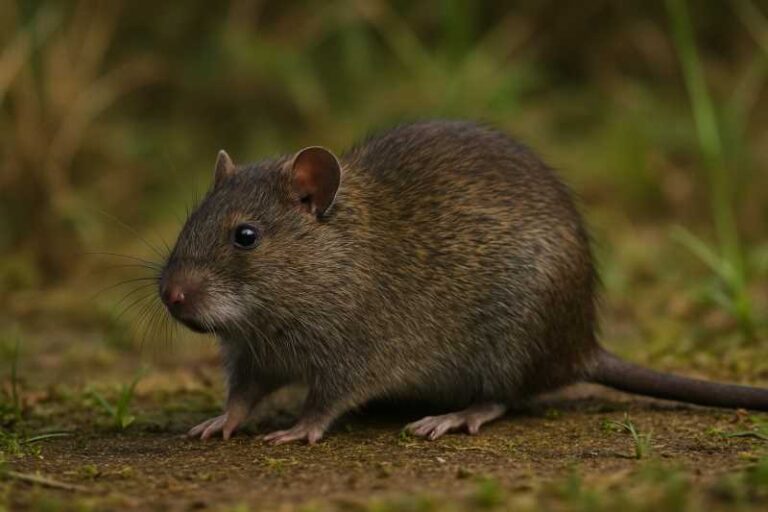
The Bolivian Vesper Mouse is a small rodent, typically measuring between 10 to 15 centimeters in body length, with a tail that adds an additional 8 to 10 centimeters. This species exhibits a soft, dense fur that ranges in color from grayish-brown to a more reddish hue on the dorsal side, with a lighter, almost white underbelly. The fur is adapted to provide camouflage in its natural habitat, allowing it to blend seamlessly with the surrounding environment.
The mouse’s ears are moderately large and rounded, providing it with excellent auditory capabilities, which are essential for detecting predators. Its eyes are also relatively large, reflecting its nocturnal lifestyle, as they are adapted to low-light conditions. The tail, slightly longer than the body, is covered in fine hairs and is used for balance and communication.
Range and Habitat
Calomys boliviae is predominantly found in the lowland regions of Bolivia, but its range extends into parts of Peru, Brazil, and Paraguay. It inhabits a variety of environments, from grasslands and savannas to subtropical and tropical forests. This adaptability to diverse habitats is one of the key factors contributing to its survival across different regions.
The Bolivian Vesper Mouse prefers areas with dense vegetation that offers ample cover from predators. It is commonly found in areas with loose soil, which facilitates its burrowing behavior. As a terrestrial species, it spends a significant amount of time on the ground, foraging for food and seeking shelter.
Behavior and Diet
The Bolivian Vesper Mouse is primarily nocturnal, with most of its activities occurring during the night. This behavior helps it avoid many diurnal predators. It is a solitary creature, with individuals typically maintaining their own territories. During the breeding season, however, interactions increase as males and females come together to mate.
This species is omnivorous, with a diet that includes seeds, fruits, insects, and small invertebrates. Its diet can vary significantly depending on the availability of food resources in its habitat. The ability to consume a wide range of foods makes the Bolivian Vesper Mouse a versatile forager, capable of adapting to seasonal changes in food availability.
Identification Tips (Field Recognition Cues)
Identifying the Bolivian Vesper Mouse in the field can be challenging due to its cryptic nature and the similarity to other small rodent species. Here are some key identification tips:
- Fur Color: Look for the distinctive grayish-brown to reddish fur on the dorsal side with a lighter underbelly.
- Size: Note the body length of 10 to 15 centimeters, with a proportionately long tail.
- Ears and Eyes: Observe the large, rounded ears and relatively large eyes, which are indicative of its nocturnal habits.
- Tail: The tail is slightly longer than the body and covered with fine hairs.
Conservation Status (with Threats and Protections)
The Bolivian Vesper Mouse is currently listed as a species of Least Concern by the International Union for Conservation of Nature (IUCN). This classification is due to its wide distribution and presumed large population. However, like many wildlife species, it faces threats that could impact its numbers in the future.
Threats
- Habitat Destruction: Deforestation and land conversion for agriculture are significant threats, leading to habitat loss.
- Climate Change: Changes in climate patterns can affect food availability and habitat conditions.
- Predation and Competition: Predation by domestic animals and competition with other rodent species can also pose challenges.
Protections
Conservation efforts include habitat protection through the establishment of protected areas and environmental regulations. Sustainable land-use practices can also contribute to the preservation of its habitat.
Frequently Asked Questions
- What is the typical lifespan of the Bolivian Vesper Mouse?
The Bolivian Vesper Mouse typically lives for about 1 to 2 years in the wild, although some individuals may live longer under optimal conditions.
- How does the Bolivian Vesper Mouse contribute to its ecosystem?
This species plays a vital role in seed dispersal and serves as prey for various predators, thus contributing to the ecological balance.
- Are Bolivian Vesper Mice social animals?
No, they are primarily solitary except during the breeding season when they seek mates.
- Can the Bolivian Vesper Mouse adapt to urban environments?
While not typically found in urban settings, their adaptability to various habitats suggests potential resilience to some human-altered landscapes.
- What measures are in place to protect the Bolivian Vesper Mouse?
Conservation measures include habitat protection through reserves and environmental policies that limit deforestation and habitat conversion.
Related posts