
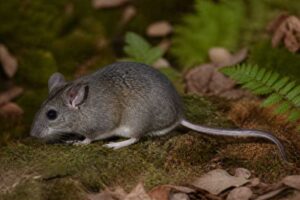
Allegheny Woodrat (Neotoma magister)
Introduction The Allegheny Woodrat, scientifically known as Neotoma magister, is a fascinating rodent species native to the eastern United States.
Allegheny Woodrat (Neotoma magister) Read Post »
Mammals are a diverse group of warm-blooded animals characterized by hair or fur, live birth (with a few exceptions like the platypus and echidnas that lay eggs), and the ability to produce milk to nourish their young. There are around 6,800 mammal species in the world, ranging from tiny bumblebee bats weighing less than 2 grams to the enormous blue whale, the largest animal ever known to exist.
Mammals inhabit every continent and almost every environment — from arctic ice fields and vast deserts to dense rainforests and deep oceans. They play vital roles in ecosystems as predators, prey, seed dispersers, and ecosystem engineers. Many species are highly intelligent, social, and adaptable, which has allowed them to thrive in diverse habitats alongside humans.
This category highlights the fascinating world of mammals, exploring their diversity, behavior, habitats, and conservation challenges.
Introduction The Allegheny Woodrat, scientifically known as Neotoma magister, is a fascinating rodent species native to the eastern United States.
Allegheny Woodrat (Neotoma magister) Read Post »
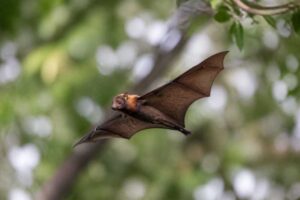
Introduction The Little Collared Fruit Bat, scientifically known as Myonycteris torquata, is a fascinating member of the Pteropodidae family. These
Little Collared Fruit Bat (Myonycteris torquata) Read Post »
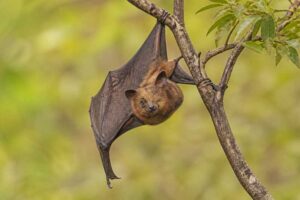
Wahlberg’s Epauletted Fruit Bat (Epomophorus wahlbergi) Introduction Wahlberg’s Epauletted Fruit Bat (Epomophorus wahlbergi) is a fascinating creature that belongs to
Wahlberg’s Epauletted Fruit Bat (Epomophorus wahlbergi) Read Post »
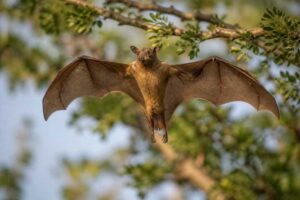
Lesser Epauletted Fruit Bat: A Comprehensive Guide Introduction The Lesser Epauletted Fruit Bat, scientifically known as Epomophorus pusillus, is a
Lesser Epauletted Fruit Bat (Epomophorus pusillus) Read Post »
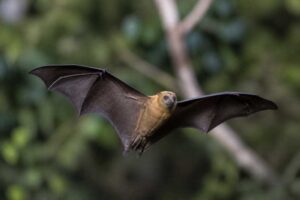
Greater Short-nosed Fruit Bat (Cynopterus sphinx): A Comprehensive Guide Introduction The Greater Short-nosed Fruit Bat, known scientifically as Cynopterus sphinx,
Greater Short-nosed Fruit Bat (Cynopterus sphinx) Read Post »

Introduction The Romanian Golden Hamster, scientifically known as Mesocricetus newtoni, holds a unique place in the biodiversity of Eastern Europe.
Romanian Golden Hamster (Mesocricetus newtoni) Read Post »
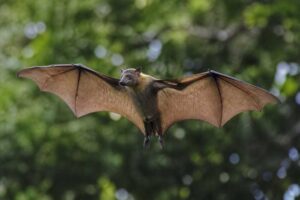
Nusatenggara Short-nosed Fruit Bat (Cynopterus nusatenggara): A Comprehensive Guide Introduction The Nusatenggara Short-nosed Fruit Bat, scientifically known as Cynopterus nusatenggara,
Nusatenggara Short-nosed Fruit Bat (Cynopterus nusatenggara) Read Post »
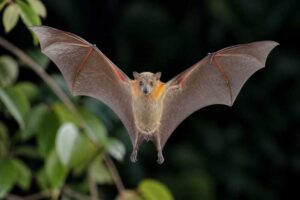
Minute Short-nosed Fruit Bat (Cynopterus minutus): A Comprehensive Guide Introduction The Minute Short-nosed Fruit Bat, scientifically known as Cynopterus minutus,
Minute Short-nosed Fruit Bat (Cynopterus minutus) Read Post »
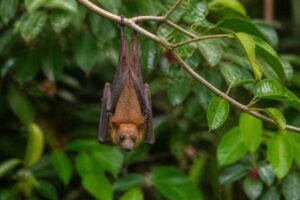
Introduction The Luzon Pygmy Fruit Bat, scientifically known as Otopteropus cartilagonodus, is a fascinating species of megabat endemic to the
Luzon Pygmy Fruit Bat (Otopteropus cartilagonodus) Read Post »
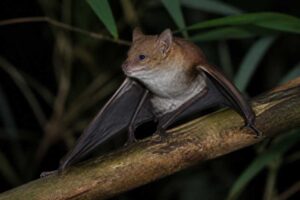
Tonkin Greater Bamboo Bat (Tylonycteris tonkinensis): A Comprehensive Guide Introduction The Tonkin Greater Bamboo Bat, scientifically known as Tylonycteris tonkinensis,
Tonkin Greater Bamboo Bat (Tylonycteris tonkinensis) Read Post »
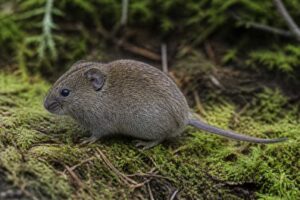
Introduction The Sonoma tree vole (Arborimus pomo) is a small, elusive rodent species native to the Pacific Northwest of the
Sonoma Tree Vole (Arborimus pomo) Read Post »
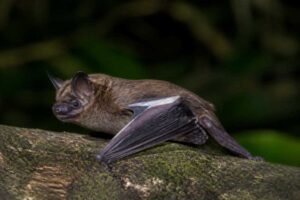
White-winged Serotine (Pseudoromicia tenuipinnis) Introduction The White-winged Serotine, scientifically known as Pseudoromicia tenuipinnis, is a fascinating bat species that belongs
White-winged Serotine (Pseudoromicia tenuipinnis) Read Post »