

Palawan Mountain Rat (Palawanomys furvus)
Introduction The Palawan Mountain Rat, scientifically known as Palawanomys furvus, is a fascinating yet lesser-known mammal species native to the
Palawan Mountain Rat (Palawanomys furvus) Read Post »
Mammals are a diverse group of warm-blooded animals characterized by hair or fur, live birth (with a few exceptions like the platypus and echidnas that lay eggs), and the ability to produce milk to nourish their young. There are around 6,800 mammal species in the world, ranging from tiny bumblebee bats weighing less than 2 grams to the enormous blue whale, the largest animal ever known to exist.
Mammals inhabit every continent and almost every environment — from arctic ice fields and vast deserts to dense rainforests and deep oceans. They play vital roles in ecosystems as predators, prey, seed dispersers, and ecosystem engineers. Many species are highly intelligent, social, and adaptable, which has allowed them to thrive in diverse habitats alongside humans.
This category highlights the fascinating world of mammals, exploring their diversity, behavior, habitats, and conservation challenges.
Introduction The Palawan Mountain Rat, scientifically known as Palawanomys furvus, is a fascinating yet lesser-known mammal species native to the
Palawan Mountain Rat (Palawanomys furvus) Read Post »
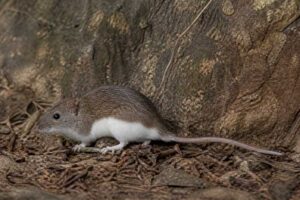
Introduction The Himalayan White-bellied Rat (Niviventer niviventer) is a fascinating species of rodent that inhabits the mountainous regions of South
Himalayan White-bellied Rat (Niviventer niviventer) Read Post »
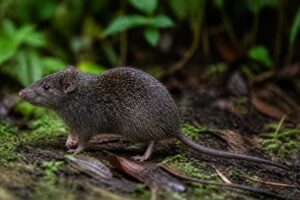
Introduction The Northern Sulawesi Spiny Rat, scientifically known as Echiothrix leucura, is an intriguing rodent species native to the lush
Northern Sulawesi Spiny Rat (Echiothrix leucura) Read Post »
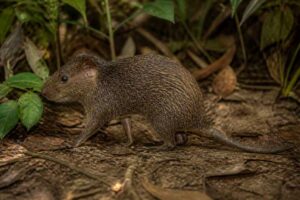
Introduction The Mentawai Archipelago Spiny Rat, scientifically known as Crunomys pagensis, is a fascinating mammalian species endemic to the Mentawai
Mentawai Archipelago Spiny Rat (Crunomys pagensis) Read Post »
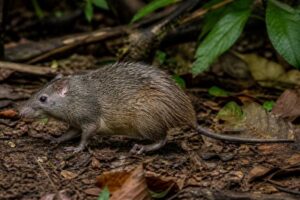
Dollman’s Sulawesi Spiny Rat: Intriguing Insights into a Lesser-Known Rodent Introduction Dollman’s Sulawesi Spiny Rat, scientifically known as Crunomys dollmani,
Dollman’s Sulawesi Spiny Rat (Crunomys dollmani) Read Post »
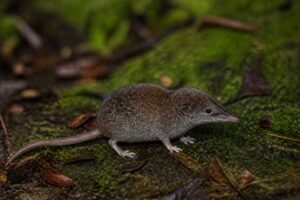
Introduction The Sulawesi Shrew Mouse, scientifically named Crunomys celebensis, is a fascinating small mammal endemic to the island of Sulawesi
Sulawesi Shrew Mouse (Crunomys celebensis) Read Post »
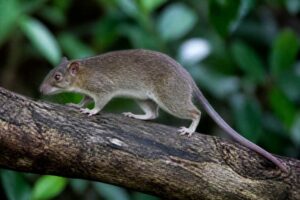
Introduction The Burmese Tree Rat, scientifically known as Chiromyscus chiropus, is a relatively lesser-known member of the rodent family that
Burmese Tree Rat (Chiromyscus chiropus) Read Post »
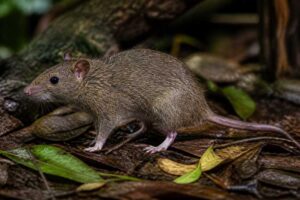
Camiguin Forest Rat (Bullimus gamay): A Comprehensive Overview Introduction The Camiguin Forest Rat, scientifically known as Bullimus gamay, is a
Camiguin Forest Rat (Bullimus gamay) Read Post »
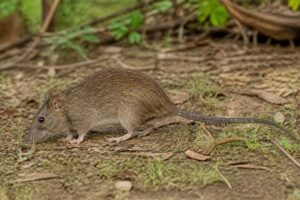
Introduction The Greater Bandicoot Rat, scientifically known as Bandicota indica, is a fascinating mammalian species belonging to the family Muridae.
Greater Bandicoot Rat (Bandicota indica) Read Post »
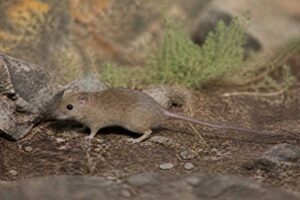
Sokolov’s Ethiopian Rat (Stenocephalemys sokolovi) Introduction Sokolov’s Ethiopian Rat, scientifically known as Stenocephalemys sokolovi, is a fascinating rodent species endemic
Sokolov’s Ethiopian Rat (Stenocephalemys sokolovi) Read Post »
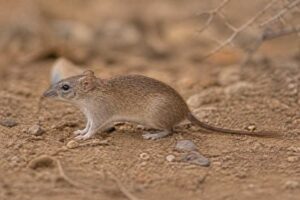
Introduction Rupp’s Ethiopian Rat, scientifically known as Stenocephalemys ruppi, is a fascinating yet lesser-known rodent species endemic to the highlands
Rupp’s Ethiopian Rat (Stenocephalemys ruppi) Read Post »
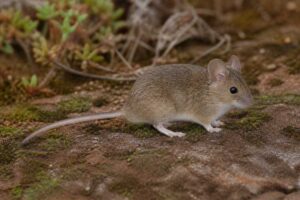
Tullberg’s Soft-furred Mouse (Praomys tullbergi): An In-depth Overview Introduction Tullberg’s Soft-furred Mouse, scientifically known as Praomys tullbergi, is a small
Tullberg’s Soft-furred Mouse (Praomys tullbergi) Read Post »