The Enigmatic Malaita Owl: A Closer Look at Athene malaitae
The Malaita Owl, scientifically known as Athene malaitae, is a remarkable yet lesser-known species of owl that inhabits the lush forests of Malaita, one of the Solomon Islands in the South Pacific. While the world is home to a myriad of owl species, the Malaita Owl stands out due to its unique characteristics and the ecological significance it holds in its native habitat. This article delves into the fascinating world of the Malaita Owl, exploring its habitat, physical characteristics, behavior, conservation status, and the importance of preserving this enigmatic bird.
Habitat and Distribution
The Malaita Owl is endemic to Malaita, the largest island in the Solomon Islands’ archipelago. The geography of Malaita is characterized by dense rainforests, mountain ranges, and a tropical climate, creating an ideal environment for this nocturnal bird. These owls are typically found in lowland and montane forests, where they take advantage of the dense canopy for roosting and hunting. The island’s isolated nature has contributed to the owl’s uniqueness, as it has evolved separately from its closest relatives on other islands.
Physical Characteristics
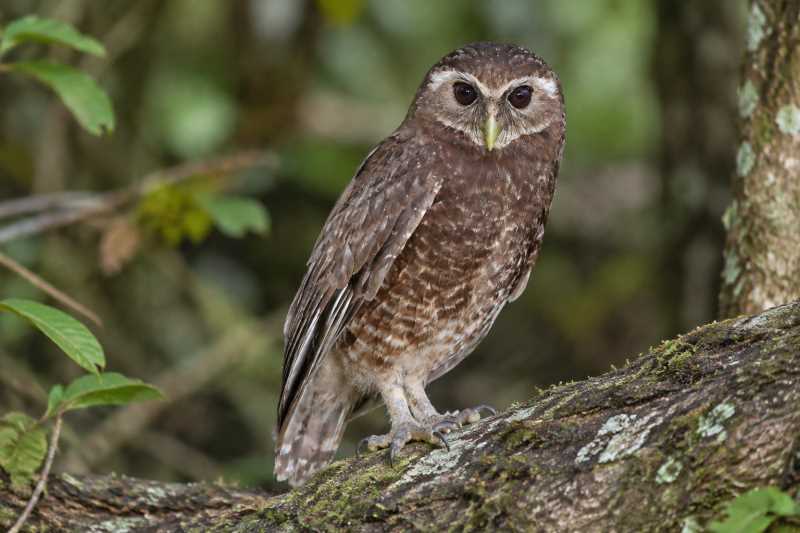
The Malaita Owl is relatively small, with a length ranging from 20 to 25 centimeters and a wingspan of approximately 55 to 60 centimeters. One of its most distinguishing features is its facial disc, which is framed by dark feathers and helps to direct sound to the owl’s ears, enhancing its ability to locate prey in the dense forest. Its plumage is predominantly brown with intricate speckling, offering excellent camouflage against the forest floor and tree bark. The owl’s eyes are large and a vivid yellow, adapted for night vision, which is critical for its nocturnal hunting habits.
Behavior and Diet
As a nocturnal predator, the Malaita Owl is most active at night, when it embarks on hunting expeditions in search of food. Its diet primarily consists of small mammals, insects, and occasionally small birds. The owl’s hunting prowess is aided by its silent flight, a characteristic feature of many owl species, which allows it to approach prey without detection. The Malaita Owl is also known for its distinctive hooting calls, which can often be heard echoing through the forest at night. These calls serve both as communication between individuals and as territorial markers.
Reproduction and Lifespan
Little is known about the breeding habits of the Malaita Owl, primarily due to its elusive nature and the challenges of studying wildlife in dense forest environments. However, like other members of the genus Athene, it is likely that the Malaita Owl nests in tree cavities or abandoned nests of other birds. Breeding typically coincides with the availability of food resources, ensuring that chicks have ample sustenance as they grow. The lifespan of the Malaita Owl in the wild is not well-documented, but it is estimated to be around 10 to 15 years.
Conservation Status
The Malaita Owl is currently listed as ‘Near Threatened’ on the IUCN Red List, primarily due to habitat loss caused by logging and agricultural expansion on Malaita Island. The deforestation not only reduces the available habitat for the owl but also impacts the abundance of prey species, making survival more challenging. Conservation efforts are crucial to protect the remaining forested areas and ensure the long-term survival of this species. Local and international wildlife organizations are working together to raise awareness and implement sustainable practices that balance human development with the preservation of natural habitats.
The Importance of Preserving the Malaita Owl
The Malaita Owl plays a vital role in the ecosystem as both a predator and an indicator of forest health. By controlling populations of small mammals and insects, it helps maintain ecological balance. Moreover, the presence of the Malaita Owl signifies a healthy, biodiverse forest, which is essential for the well-being of countless other species, including humans.
Preserving the Malaita Owl goes beyond protecting a single species; it involves safeguarding an entire habitat and all the life it supports. The conservation of this unique bird is intertwined with the preservation of the cultural and natural heritage of the Solomon Islands. Through concerted efforts in conservation, education, and sustainable development, we can ensure that the Malaita Owl, along with its forest home, thrives for generations to come.
In conclusion, the Malaita Owl is a testament to the incredible biodiversity found in the Solomon Islands. As we continue to explore and understand this enigmatic species, it is imperative that we also commit to protecting it and the delicate ecosystem it calls home. By doing so, we contribute to the broader effort of conserving our planet’s irreplaceable natural treasures.
Related posts