Whistling Dove: An Enigmatic Jewel of the South Pacific
The Whistling Dove, or *Ptilinopus layardi*, is a striking member of the Columbidae family, known for its vibrant plumage and enchanting presence in its native habitat. Found predominantly in the lush forests of Fiji, this bird represents not only the rich biodiversity of the region but also the delicate balance of ecosystems that require our attention and conservation efforts.
Habitat and Distribution
The Whistling Dove is endemic to the islands of Fiji, with its primary habitats being the moist lowland forests and montane regions. These doves are typically found in areas abundant with fruiting trees, which provide them with both food and shelter. The islands of Vanua Levu, Taveuni, and Ovalau are some of the key locations where these doves can be observed in their natural environment.
Fiji’s tropical climate, characterized by a warm and humid atmosphere, is ideal for the Whistling Dove. The country’s diverse forest ecosystems support a myriad of plant and animal life, with the Whistling Dove being a prominent and cherished inhabitant. Conservationists emphasize the importance of preserving these natural landscapes to ensure the survival of this species.
Physical Characteristics
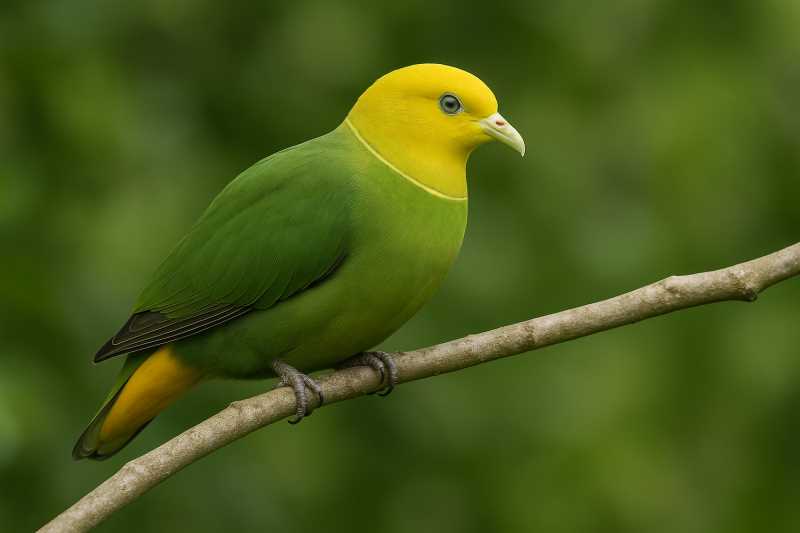
The Whistling Dove is a medium-sized bird, measuring approximately 20 to 24 centimeters in length. It is renowned for its vivid coloration, featuring a combination of rich greens, blues, and yellows. The head and underparts are often a bright green, which fades into a lighter, more yellowish hue towards the tail. This vibrant plumage not only makes the Whistling Dove a visual spectacle but also aids in its camouflage amidst the foliage.
Males and females exhibit similar coloration, though subtle differences in shading can be observed. The species’ distinctive whistling call is a key identifier, with the males often using this sound to communicate and attract mates. This call, which gives the bird its common name, is a melodious and soothing sound that resonates through the forests.
Diet and Feeding Behavior
The diet of the Whistling Dove primarily consists of fruits, making it an important seed disperser within its ecosystem. They are particularly fond of figs and other small fruits, which they consume whole. This feeding behavior plays a crucial role in maintaining the health and propagation of the forest vegetation.
In addition to fruits, Whistling Doves may occasionally feed on small insects and other invertebrates, although these constitute a minor part of their diet. Their feeding activities are often observed in the early morning and late afternoon, coinciding with cooler temperatures and lower sun angles.
Reproduction and Life Cycle
Whistling Doves typically breed during the rainy season when food resources are most abundant. They build simple nests from twigs and leaves, usually positioned high in the canopy to protect their young from predators. The female lays a single egg, which both parents take turns incubating over a period of approximately 18 to 20 days.
Once hatched, the chick is fed regurgitated food by both parents, a process known as ‘crop milk.’ This nutrient-rich substance is crucial for the rapid growth and development of the chick, which fledges and becomes independent after about 14 to 18 days. The parental care displayed by Whistling Doves is a fascinating aspect of their life cycle, demonstrating the importance of both parents in chick rearing.
Conservation Status
As of the latest assessments, the Whistling Dove is classified as Near Threatened on the IUCN Red List. The primary threats to this species include habitat loss due to logging, agriculture, and urban development. Additionally, the introduction of invasive species poses significant risks, as these can outcompete or prey on native fauna, including the Whistling Dove.
Efforts to conserve the Whistling Dove focus on habitat protection and restoration, as well as the control of invasive species. Local and international conservation organizations are working to raise awareness about the importance of preserving Fiji’s unique ecosystems and the species that inhabit them.
Conclusion
The Whistling Dove stands as a symbol of the rich natural heritage of Fiji, a reminder of the intricate beauty found within the country’s forests. Protecting this species requires a concerted effort from conservationists, local communities, and governments alike. By understanding and mitigating the threats faced by the Whistling Dove, we can help ensure that this magnificent bird continues to grace the skies of Fiji for generations to come.
In preserving the Whistling Dove, we not only safeguard a single species but also contribute to the overall health and resilience of the ecosystems upon which they rely. As we move forward, let the call of the Whistling Dove inspire us to take action in preserving nature’s wonders.
Related posts