The Enigmatic Sulawesi Fantail: A Jewel of Indonesian Avifauna
The Sulawesi Fantail (Rhipidura teysmanni) is a captivating bird species that inhabits the lush forests of Sulawesi, an island known for its rich biodiversity and unique wildlife. As an integral part of the avian community in this region, the Sulawesi Fantail offers intriguing insights into the complex ecosystems of Southeast Asia. This article explores the distinctive characteristics, habitat, behavior, conservation status, and ecological significance of this fascinating bird.
Distinctive Characteristics
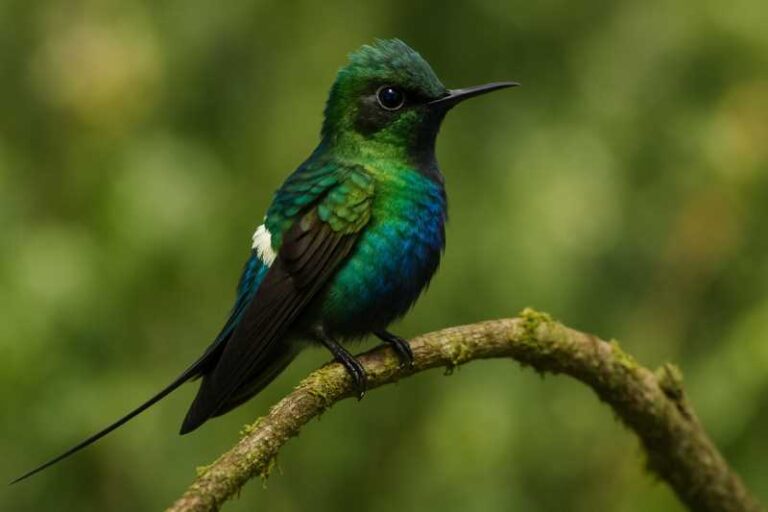
The Sulawesi Fantail is a small passerine bird that belongs to the family Rhipiduridae, which is renowned for its agile and acrobatic members. Typically measuring around 16 to 18 centimeters in length, this species is characterized by its striking plumage and distinctive tail. The bird exhibits a predominantly dark brown coloration with a contrasting white supercilium (eyebrow) and throat, which provide a vivid contrast to its otherwise somber hues.
One of the most remarkable features of the Sulawesi Fantail is its fan-shaped tail, which it frequently fans out, especially during displays of courtship or when it feels threatened. This behavior not only serves as a visual spectacle but also plays a crucial role in its communication repertoire. The fanned tail, combined with its agile flight, makes the Sulawesi Fantail a captivating sight for birdwatchers and researchers alike.
Habitat and Distribution
The Sulawesi Fantail is endemic to the island of Sulawesi, which is part of the Indonesian archipelago. This bird predominantly inhabits lowland and montane forests, thriving in environments that provide dense foliage and abundant insect prey. The island’s varied topography, which includes mountains, valleys, and coastal regions, offers a diverse range of habitats that support a rich array of wildlife.
Despite its relatively limited range, the Sulawesi Fantail has adapted well to the island’s differing ecological zones, although it is more commonly found in undisturbed primary forests. These habitats are critical for the bird’s survival, providing essential resources such as food, shelter, and nesting sites.
Behavior and Ecology
The Sulawesi Fantail is an insectivorous bird, feeding primarily on small insects and arthropods. Its foraging technique is both efficient and entertaining, as it actively pursues prey through rapid aerial maneuvers and deft movements among foliage. This hunting style not only highlights the bird’s agility but also underscores its role as a vital pest controller within its ecosystem.
Socially, the Sulawesi Fantail is known for its interactive behavior. It often participates in mixed-species foraging flocks, where it benefits from the vigilance of other birds while contributing its own keen eyesight and maneuverability. These flocks enhance foraging efficiency and provide an added layer of protection against predators.
The breeding behavior of the Sulawesi Fantail is equally fascinating. The species typically builds cup-shaped nests in dense vegetation, often using twigs, moss, and other plant materials. Both parents are involved in nurturing and feeding their young, showcasing a cooperative breeding strategy that is essential for the successful rearing of chicks in the wild.
Conservation Status and Threats
Currently, the Sulawesi Fantail is classified as a species of Least Concern by the International Union for Conservation of Nature (IUCN). However, like many island-endemic species, it faces potential threats from habitat destruction, particularly due to deforestation and land conversion for agriculture and human settlement.
Conservation efforts are crucial to ensure the long-term survival of the Sulawesi Fantail. Protecting its natural habitat is paramount, as is promoting sustainable land-use practices that balance human needs with ecological preservation. Additionally, raising awareness and supporting local conservation initiatives can help safeguard this species and the broader biodiversity of Sulawesi.
Ecological Significance
The Sulawesi Fantail plays an important role in its ecosystem by helping control insect populations and contributing to the dynamic balance of forest environments. As a member of mixed-species flocks, it also enhances biodiversity by fostering interspecies interactions and collaborations.
Moreover, the presence of the Sulawesi Fantail serves as an indicator of forest health. Its reliance on pristine habitats makes it a valuable species for monitoring ecosystem integrity and the impacts of environmental changes. Efforts to protect the Sulawesi Fantail thus have broader implications for the conservation of other species and habitats within Sulawesi.
Conclusion
The Sulawesi Fantail is more than just an exquisite bird; it is a symbol of the rich natural heritage of Sulawesi and a testament to the intricate web of life that thrives on this remarkable island. By understanding and protecting this species, we contribute to the preservation of the diverse and vibrant ecosystems that define Indonesia’s unique biodiversity. Continued research, conservation, and education are essential to ensure that future generations can enjoy the beauty and ecological contributions of the Sulawesi Fantail.
As we look to the future, let us commit to preserving the habitats and wildlife of Sulawesi, recognizing that the survival of species like the Sulawesi Fantail is intertwined with the health of our planet.
—
Related posts