The Pied Heron: A Comprehensive Overview of Egretta picata
The Pied Heron (Egretta picata), a striking bird known for its distinctive appearance and graceful demeanor, is a fascinating subject within the avian world. This article delves into the characteristics, habitat, behavior, and conservation of the Pied Heron, offering a detailed insight into this captivating species.
Characteristics and Appearance
The Pied Heron, also referred to as the Pied Egret in some regions, is a small to medium-sized heron that belongs to the family Ardeidae. Adult Pied Herons typically measure between 43 to 48 centimeters in length, with a wingspan ranging from 70 to 80 centimeters. They weigh approximately 250 to 300 grams.
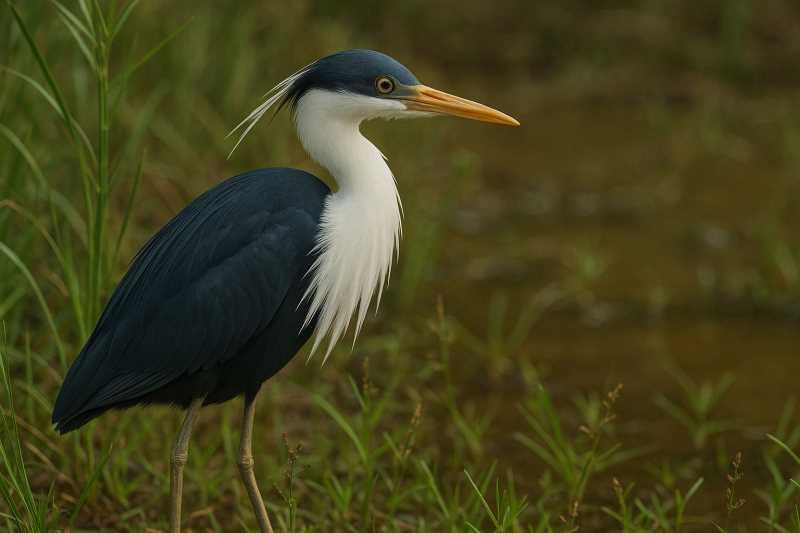
One of the most notable features of the Pied Heron is its striking plumage. The species is characterized by a contrasting combination of slate-grey and white feathers. The head, neck, and upper parts are predominantly slate-grey, while the face and underparts are snowy white. The beak is relatively short and slender, colored yellow at the base with a darker tip. Their legs and feet exhibit a vibrant yellow hue, which can be an identifying feature during field observations.
Juvenile Pied Herons differ slightly from adults, with a more muted plumage that lacks the stark contrast of mature birds. They display a greyish-brown coloration, which gradually transitions to the adult pattern as they mature.
Habitat and Distribution
Egretta picata is predominantly found in the northern regions of Australia and parts of Indonesia and Papua New Guinea. This species thrives in a variety of wetland habitats, including coastal estuaries, mangroves, and freshwater swamps. They are also commonly observed in floodplains, lagoons, and along the banks of rivers and streams.
The Pied Heron’s range is closely associated with tropical and subtropical climates, where it benefits from abundant food resources and suitable breeding sites. During the wet season, these herons often disperse over a wider area to exploit temporary wetlands and flooded grasslands.
Behavior and Diet
Pied Herons are known for their solitary and often elusive nature. However, they are occasionally observed in small flocks, particularly during the breeding season or when foraging in areas rich in food. Their diet primarily consists of small fish, insects, crustaceans, and amphibians, which they hunt in shallow waters.
With a keen eye for spotting prey, Pied Herons employ a variety of hunting techniques. They may stand motionless in the water, waiting for unsuspecting prey to come within reach, or actively stalk their target with deliberate, stealthy movements. The heron’s sharp bill is perfectly adapted for snatching prey with precision.
Breeding and Nesting
The breeding season for the Pied Heron generally coincides with the onset of the wet season, which provides ample food and suitable nesting conditions. These herons are colonial breeders, often nesting in mixed-species colonies alongside other heron and egret species.
Nests are constructed from twigs and reeds, typically positioned in trees, shrubs, or on the ground in dense vegetation. The female usually lays between two to four eggs, which are incubated by both parents for about 24 to 25 days. Once hatched, the chicks are cared for by both parents until they fledge at around five weeks old.
Conservation Status and Threats
Currently, the Pied Heron is classified as a species of Least Concern on the IUCN Red List. Despite this, the species faces several threats that warrant attention. Habitat loss and degradation, primarily due to agricultural expansion and urban development, pose significant risks to wetland habitats essential for their survival.
Furthermore, changes in water management practices, such as damming and water diversion, can adversely affect the availability of suitable foraging and breeding sites. Climate change, with its potential to alter rainfall patterns and increase the frequency of extreme weather events, also represents a looming threat to the Pied Heron’s habitat.
Conservation efforts aimed at preserving wetland ecosystems and promoting sustainable land-use practices are crucial for ensuring the long-term survival of the Pied Heron. Additionally, ongoing research and monitoring are necessary to better understand population dynamics and inform conservation strategies.
Conclusion
The Pied Heron is a remarkable species that contributes to the biodiversity and ecological balance of wetland habitats. Its unique appearance and behaviors make it a subject of interest for ornithologists and bird enthusiasts alike. By recognizing the importance of preserving their natural habitats and addressing the challenges they face, we can help secure a future for the Pied Heron and the diverse ecosystems it inhabits.
Related posts