The Western Yellow Wagtail: A Vibrant Symbol of Avian Adaptability
The Western Yellow Wagtail (Motacilla flava) is a small, insectivorous bird that captures the imagination of ornithologists and bird enthusiasts alike with its vibrant plumage and dynamic behaviors. This species, belonging to the family Motacillidae, is renowned for its adaptability across diverse habitats, ranging from wet meadows to agricultural lands, making it an emblem of ecological resilience.
A Brief Overview of the Western Yellow Wagtail
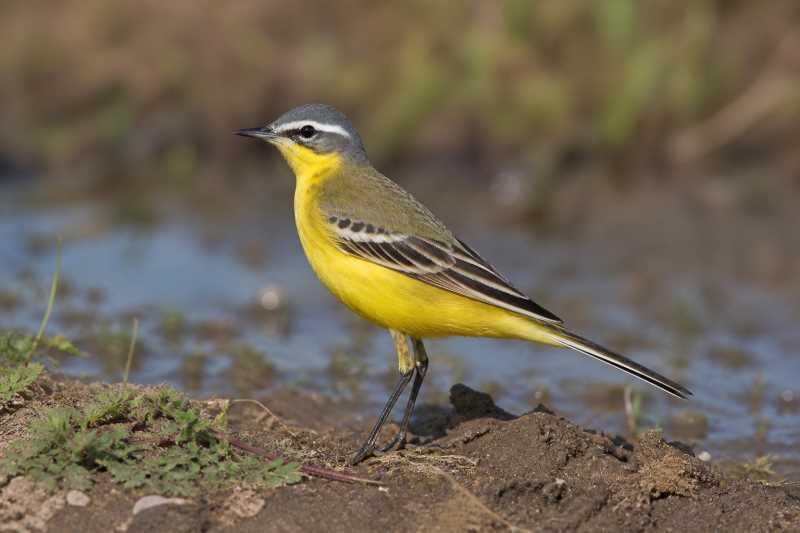
Measuring approximately 15-16 centimeters in length, with a wingspan of 24-28 centimeters, the Western Yellow Wagtail is characterized by its striking yellow underparts and olive-green upperparts. During the breeding season, males exhibit more vivid coloration, which serves as a key factor in attracting mates. The wagtail’s slender build, long tail, and distinctive ‘wagging’ motion are notable features that not only aid in its identification but also reflect its dynamic nature.
Distribution and Migration Patterns
The Western Yellow Wagtail is a migratory species, with a breeding range extending across Europe and Asia, from the British Isles and Scandinavia to the steppes of Central Asia. During the winter months, these birds embark on an impressive journey, migrating to sub-Saharan Africa and the Indian subcontinent. The extensive migration of the Western Yellow Wagtail is a remarkable feat, showcasing both endurance and navigational prowess.
The species’ migratory routes are influenced by climatic conditions, availability of food, and geographical barriers. Such adaptability in migration strategies ensures the survival of the species across various landscapes, highlighting their role as ecological indicators in the regions they inhabit.
Habitat and Feeding Behavior
Western Yellow Wagtails are highly adaptable, inhabiting a wide range of environments including grasslands, wetlands, marshes, and agricultural fields. Their preference for open, moist habitats is linked to their feeding habits, as these areas are rich in insects, the primary component of their diet.
The wagtail’s diet consists mainly of small invertebrates such as flies, beetles, and caterpillars, which they skillfully capture through a combination of aerial sallies and ground foraging. Their characteristic tail-wagging behavior is thought to play a role in flushing out insects from vegetation, making them more accessible to capture.
Breeding and Nesting
Breeding occurs from April to July, with the construction of nests typically taking place in dense vegetation close to the ground. The female is primarily responsible for building the nest, which is composed of grass, moss, and other plant materials, lined with feathers and softer elements for insulation.
Clutch sizes range from four to six eggs, which are incubated by the female for about 11-14 days. Upon hatching, both parents engage in feeding and caring for the chicks, which fledge approximately two weeks after hatching. The commitment of both parents to offspring care is crucial for the survival of the fledglings in their early, vulnerable stages.
Conservation Status and Threats
The International Union for Conservation of Nature (IUCN) currently classifies the Western Yellow Wagtail as a species of "Least Concern." However, like many avian species, it faces threats from habitat loss, climate change, and agricultural practices that impact their breeding and feeding grounds.
Conservation efforts are essential to mitigate these threats and ensure the sustainability of wagtail populations. Initiatives focusing on habitat restoration, sustainable agricultural practices, and climate change mitigation are critical components of preserving the ecological niches that support these vibrant birds.
Cultural Significance and Human Interaction
The Western Yellow Wagtail holds cultural significance in various regions due to its distinctive appearance and behaviors. In some cultures, it is considered a harbinger of spring, symbolizing renewal and the cyclical nature of life. Its presence in agricultural areas also underscores its role in pest control, benefiting farmers by reducing insect populations naturally.
Human interactions with the Western Yellow Wagtail are largely positive, as the bird’s adaptability allows it to thrive in modified landscapes. Birdwatchers and nature enthusiasts are often drawn to its vibrant plumage and energetic behaviors, making it a popular subject for observation and study.
Conclusion
In essence, the Western Yellow Wagtail is a testament to nature’s adaptability and resilience. Its vibrant plumage, intricate behaviors, and widespread distribution make it a fascinating subject of study in the avian world. As we continue to understand and appreciate the complexities of this species, it serves as a reminder of the intricate balance of ecosystems and the role each species plays within them.
Efforts to conserve and protect the habitats of the Western Yellow Wagtail are not only beneficial for this species but also for the broader ecological communities they inhabit. By fostering a greater understanding and appreciation of these remarkable birds, we contribute to the preservation of biodiversity and the health of our planet.
Related posts