The Picui Ground Dove: A Comprehensive Insight into Columbina picui
The Picui Ground Dove, scientifically known as Columbina picui, is a small yet enchanting bird that captivates bird enthusiasts with its subtle charm and widespread presence across South America. This diminutive dove is an integral component of the avian biodiversity in the Neotropics, offering fascinating insights into the adaptability and diversity of ground-dwelling birds.
Description and Identification
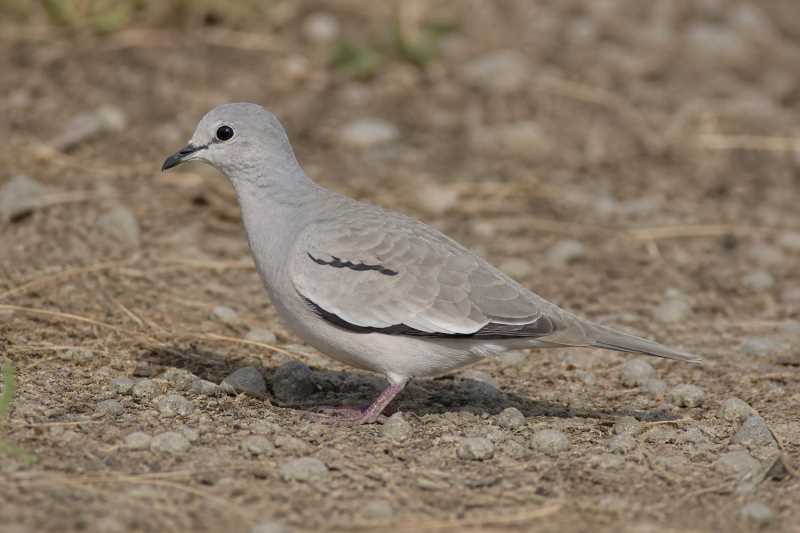
The Picui Ground Dove is a small bird, measuring approximately 18 to 22 centimeters in length and weighing around 47 to 57 grams. It is often recognized by its slender form and short tail. The plumage is predominantly grayish-brown, with a distinct pinkish hue on the breast and belly. One of its most striking features is its white wing patches, visible during flight, providing a stark contrast against its otherwise muted coloration.
The dove’s head is adorned with a subtle bluish-gray, and its eyes are encircled with a delicate white ring. This feature, coupled with its small, straight bill, gives the Picui Ground Dove an endearing appearance. The legs and feet are a pale pink, adding to its gentle demeanor.
Distribution and Habitat
The Picui Ground Dove is widely distributed across the southern half of South America. It can be found in countries such as Argentina, Bolivia, Brazil, Chile, Paraguay, Peru, and Uruguay. This bird thrives in a variety of habitats, including savannas, open woodlands, scrublands, and agricultural lands. Its adaptability to diverse environments has contributed to its stable population and widespread distribution.
In these regions, the Picui Ground Dove is often observed foraging on the ground, in search of seeds and small insects. It prefers areas with sparse vegetation, allowing it to move freely and spot potential threats. Despite its preference for open habitats, this dove is also known to inhabit urban areas, adapting well to human-modified landscapes.
Behavior and Diet
The Picui Ground Dove is a primarily ground-dwelling bird, as its name suggests. It exhibits a calm and gentle demeanor, often seen walking slowly while foraging for food. Its diet mainly consists of seeds, grains, and small insects, which it skillfully picks from the ground. This dietary diversity allows it to thrive in various environments, from natural savannas to cultivated fields.
During the breeding season, which varies depending on the region, the Picui Ground Dove constructs a simple nest. The nest is usually a loose platform of twigs and grasses, often placed in a shrub or low tree. The female typically lays two eggs, which are incubated by both parents. The chicks are altricial at hatching, requiring substantial parental care until they fledge.
Vocalizations and Communication
The vocalizations of the Picui Ground Dove are subtle yet distinctive. Its call is a soft, repetitive cooing sound, often described as a soothing "coo-oo-coo." These calls are primarily used for communication between mates and during courtship displays. Despite its generally quiet nature, the dove’s vocalizations play a crucial role in maintaining pair bonds and territorial boundaries.
Conservation Status
The Picui Ground Dove is currently classified as a species of Least Concern by the International Union for Conservation of Nature (IUCN). Its wide distribution and adaptability to various habitats contribute to its stable population. However, ongoing habitat fragmentation and agricultural expansion pose potential threats to its natural habitats. Conservation efforts focused on preserving natural landscapes and promoting sustainable agricultural practices are essential to ensure the continued survival of this charming dove.
Cultural Significance
In many regions, the Picui Ground Dove holds cultural significance, often symbolizing peace and tranquility. Its gentle nature and soft cooing calls make it a beloved figure in folklore and literature. In some cultures, it is considered a harbinger of good fortune, adding to its allure and mystique.
Conclusion
The Picui Ground Dove is a testament to the resilience and adaptability of avian species in the face of changing environments. Its widespread presence across South America, coupled with its ability to thrive in diverse habitats, underscores its ecological significance. As we continue to explore the intricate web of life on our planet, the Picui Ground Dove serves as a gentle reminder of the beauty and complexity of nature.
Preserving its habitats and promoting sustainable practices will not only safeguard the future of this delightful bird but also contribute to the overall health of our ecosystems. Bird enthusiasts and conservationists alike can draw inspiration from the Picui Ground Dove, appreciating the delicate balance it maintains with its environment.
Related posts