Gunnison Sage-Grouse: A Conservation Priority in the Western United States
The Gunnison Sage-Grouse (Centrocercus minimus) is a distinct and fascinating bird species known for its elaborate courtship rituals and unique habitat requirements. Found primarily in the Gunnison Basin of Colorado, with smaller populations in southeastern Utah, the Gunnison Sage-Grouse has become a symbol of wildlife conservation efforts in the western United States. This article explores the biology, habitat, conservation status, and ongoing efforts to protect this remarkable bird.
Biology and Behavior
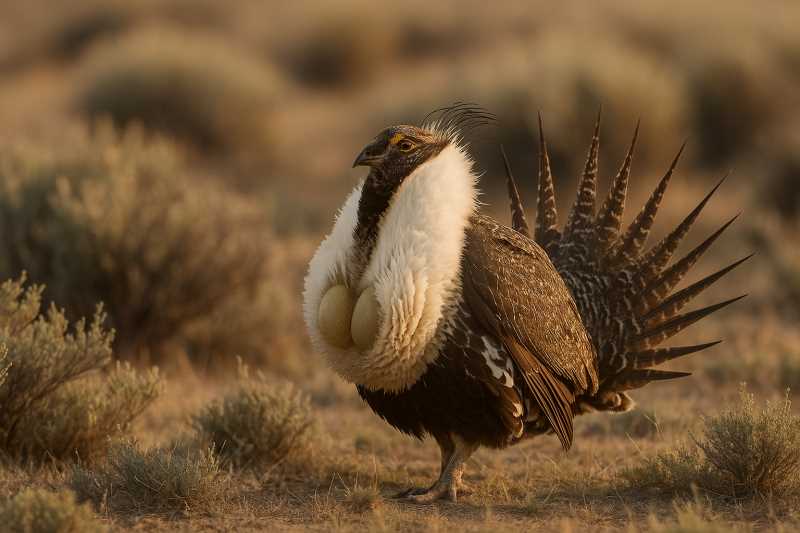
The Gunnison Sage-Grouse is a smaller relative of the Greater Sage-Grouse, with males weighing around two pounds and females slightly less. The species is known for its striking plumage, with males exhibiting long, pointed tail feathers and elaborate courtship displays. During the breeding season, males congregate on traditional lek sites—open areas where they perform complex displays to attract females. These displays involve a series of movements, including strutting, fanning their tail feathers, and inflating their air sacs to produce distinctive popping sounds.
Females, on the other hand, are more camouflaged with mottled brown plumage, providing them with excellent cover while nesting. Nesting generally occurs under sagebrush, where females lay a clutch of six to eight eggs. The chicks are precocial, meaning they are relatively mature and mobile from birth, but they still rely on the mother for protection and guidance.
Habitat Requirements
The Gunnison Sage-Grouse relies on sagebrush ecosystems for survival, as this habitat provides both food and shelter. Sagebrush leaves make up the bulk of the bird’s diet, particularly in winter months when other food sources are scarce. During the summer, the diet is supplemented with insects and other plant materials found in the sagebrush understory.
The preservation of large, contiguous tracts of sagebrush is essential for the species’ survival. Fragmentation of these habitats due to agricultural expansion, urban development, and energy exploration poses significant threats to the Gunnison Sage-Grouse. The bird’s reliance on specific lek sites further underscores the need for habitat conservation, as disturbances can lead to decreased mating success and population declines.
Conservation Status and Challenges
The Gunnison Sage-Grouse is classified as "Threatened" under the U.S. Endangered Species Act. This designation highlights the urgent need for conservation actions to prevent further declines. The primary threats to the species include habitat loss, fragmentation, and degradation. Additionally, invasive plant species, such as cheatgrass, alter the natural fire regime, further threatening sagebrush ecosystems.
Conservation efforts for the Gunnison Sage-Grouse involve a combination of habitat protection, restoration, and management. The Bureau of Land Management (BLM) and the U.S. Fish and Wildlife Service are key players in these efforts, collaborating with state agencies, private landowners, and conservation organizations. Initiatives include habitat restoration projects, creation of conservation easements, and implementation of land-use restrictions aimed at minimizing human disturbance during critical breeding and nesting periods.
Ongoing Conservation Efforts
Several collaborative efforts are underway to help protect and recover Gunnison Sage-Grouse populations. The Gunnison Basin Sage-Grouse Strategic Committee, for example, brings together stakeholders from various sectors to develop and implement conservation strategies. This includes managing grazing practices to promote healthy sagebrush habitats and conducting research to better understand the species’ ecology and population dynamics.
Moreover, private landowners play a crucial role in conservation efforts, as much of the Gunnison Sage-Grouse’s habitat exists on private lands. Programs such as the Natural Resources Conservation Service’s Sage Grouse Initiative provide financial and technical assistance to landowners willing to adopt conservation practices that benefit sage-grouse.
Conclusion
The Gunnison Sage-Grouse exemplifies the challenges and opportunities inherent in wildlife conservation. Protecting this iconic species requires a comprehensive approach that balances human activities with ecological needs. By preserving sagebrush ecosystems and supporting collaborative conservation efforts, we can ensure that the Gunnison Sage-Grouse continues to thrive in its native habitat, serving as a testament to the resilience and beauty of the natural world.
Related posts