Introduction
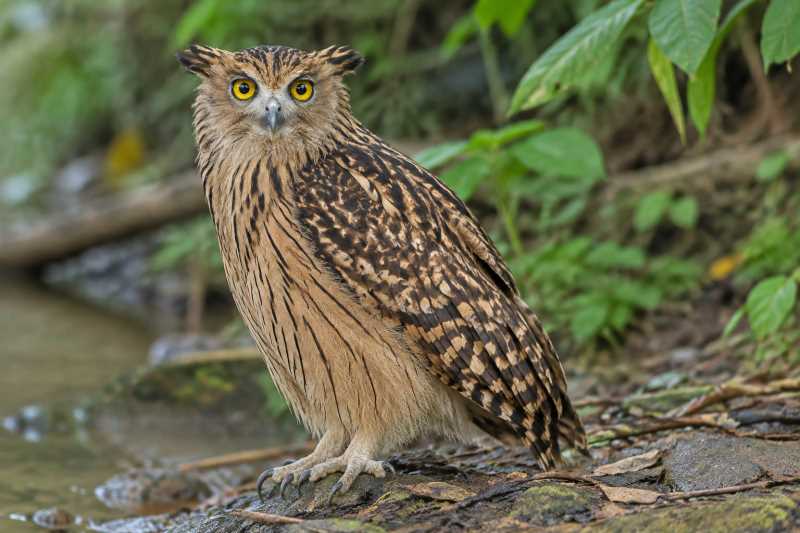
The Tawny Fish Owl (Ketupa flavipes) is a captivating avian species that commands attention due to its remarkable adaptations and distinctive appearance. Found primarily across various parts of Asia, this bird is a member of the Strigidae family and is noted for its affinity to aquatic environments. This article delves into the fascinating world of the Tawny Fish Owl, exploring its habitat, behavior, physical characteristics, and the challenges it faces in the wild.
Physical Characteristics
The Tawny Fish Owl is a large, robust bird, characterized by its striking plumage that blends shades of tawny and brown, providing excellent camouflage against the forested and riparian backgrounds it often inhabits. One of the owl’s most distinguishing features is its prominent ear tufts, which, despite their name, are not used for hearing but rather for communication and camouflage. These owls have powerful talons and large, forward-facing eyes that are adapted for nocturnal hunting. Their unique adaptation includes feathers with fringed edges, allowing for silent flight, an essential trait for stealthy hunting.
Habitat and Distribution
The Tawny Fish Owl is predominantly found in the forested regions of South and Southeast Asia, including countries like India, Nepal, Bhutan, Bangladesh, Myanmar, Thailand, and parts of China. These owls prefer habitats that are in close proximity to water bodies such as rivers, streams, and lakes, which are abundant in their primary prey—fish. However, their habitats can also include forested valleys and mountainous regions, provided there are suitable nesting sites and food availability.
Diet and Hunting Behavior
As its name suggests, the Tawny Fish Owl primarily feeds on fish, but it is not exclusively piscivorous. Its diet can also include small mammals, amphibians, and crustaceans. The owl’s hunting technique is a testament to its adaptability and skill. It employs a sit-and-wait strategy, often perching silently on a branch overhanging water, waiting for the perfect moment to swoop down and snatch its prey with precision. This method of hunting is particularly effective at night when its prey is less alert.
Reproduction and Lifespan
Breeding season for the Tawny Fish Owl usually coincides with the late winter months. These birds are monogamous, often forming lasting pair bonds. They typically nest in tree cavities or on cliff ledges, where the female lays a clutch of two to three eggs. Both parents play a role in rearing the young, with the male primarily responsible for hunting and bringing food to the nest. The chicks fledge after approximately six weeks but remain dependent on their parents for several months. Tawny Fish Owls have a relatively long lifespan, living up to 20 years in the wild under optimal conditions.
Conservation Status
The Tawny Fish Owl is currently classified as a species of ‘Least Concern’ by the International Union for Conservation of Nature (IUCN). However, like many wildlife species, it faces threats from habitat destruction, primarily due to deforestation and water pollution. The loss of riparian habitats and the degradation of water quality directly impacts their food sources and breeding sites. Conservation efforts are crucial to preserve the natural habitats of these owls and ensure their continued survival.
Human Interaction and Cultural Significance
In many regions, the Tawny Fish Owl is a part of local folklore and is often associated with various cultural beliefs and superstitions. While some cultures revere owls as symbols of wisdom, others regard them with apprehension. Fortunately, these cultural narratives have not led to significant persecution of the species. Nevertheless, conservation awareness is essential to mitigate potential conflicts, especially in areas where human encroachment into natural habitats is prevalent.
Conclusion
The Tawny Fish Owl is an extraordinary bird, both in its ecological role and its adaptability to its environment. Its reliance on aquatic ecosystems underscores the importance of conserving wetland and forest habitats. By understanding and appreciating the unique characteristics and needs of the Tawny Fish Owl, conservationists and nature enthusiasts alike can contribute to ensuring that this magnificent bird continues to thrive across its natural range. Efforts to protect their habitats not only benefit the owls but also support the broader biodiversity of these ecosystems.
Related posts