Chestnut-faced Babbler: A Jewel of the Philippine Forests
The Chestnut-faced Babbler (Zosterornis whiteheadi) is a captivating avian species that graces the lush forests of the Philippines. Known for its vibrant plumage and unique vocalizations, this bird has become a subject of interest for ornithologists and bird enthusiasts alike. This article explores the various facets of the Chestnut-faced Babbler, from its habitat and behavior to its conservation status and significance in biodiversity.
Habitat and Distribution
Endemic to the Philippines, the Chestnut-faced Babbler is primarily found in the northern regions of Luzon, the largest island in the archipelago. It inhabits subtropical or tropical moist lowland forests, thriving in both primary and secondary growth areas. These birds favor dense undergrowth and forest edges, where they can easily forage for food while remaining concealed from predators.
The Philippines’ unique geographical features, characterized by its mountainous regions and diverse ecosystems, provide an ideal habitat for the Chestnut-faced Babbler. The species’ presence in these forests is a testament to the rich biodiversity of the Philippine archipelago.
Physical Characteristics
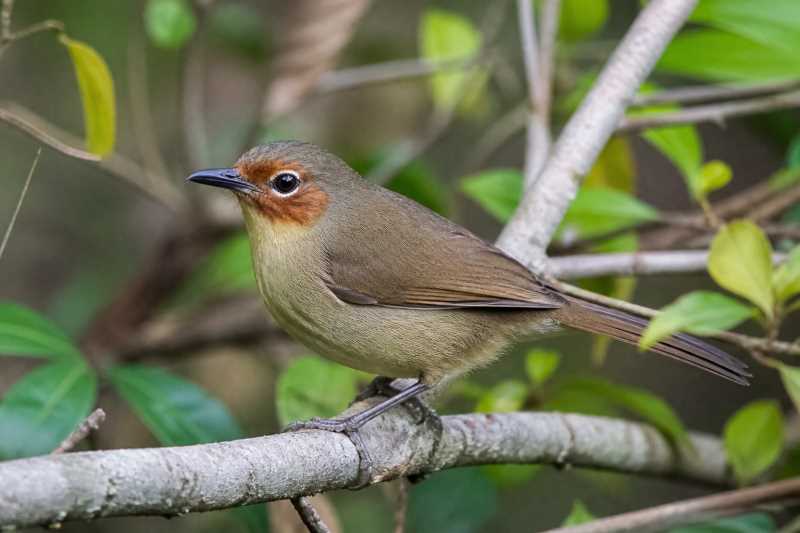
As its name suggests, the Chestnut-faced Babbler is noted for its distinct chestnut-colored face, which starkly contrasts with its olive-brown upperparts and whitish underparts. This striking coloration not only makes it a favorite among bird watchers but also serves as an adaptive feature for camouflage among the foliage.
The bird is relatively small, measuring about 14 to 16 centimeters in length. Its rounded wings and short tail are characteristic of babblers, a family known for their robust build and gregarious nature. The Chestnut-faced Babbler’s beak is slender and slightly curved, an adaptation that aids in its feeding habits.
Behavior and Diet
Chestnut-faced Babblers are known for their sociable behavior, often found in small flocks of six to twelve individuals. These groups maintain constant communication through a series of melodious and varied calls, which are believed to play a crucial role in maintaining group cohesion and territorial defense.
Their diet primarily consists of insects and other small invertebrates, which they skillfully extract from foliage and tree bark. The birds are also known to consume small fruits and berries, particularly during the breeding season when their nutritional needs are heightened.
Breeding and Nesting
The breeding season for the Chestnut-faced Babbler typically occurs during the early months of the year, coinciding with the onset of the rainy season. This timing ensures an abundance of food resources, essential for raising their young.
These birds build their nests in dense underbrush or low trees, constructing them from twigs, leaves, and grasses. The nests are cup-shaped and well-hidden, providing protection from predators and the elements. A typical clutch consists of two to four eggs, which both parents diligently incubate and care for.
Conservation Status
The International Union for Conservation of Nature (IUCN) currently lists the Chestnut-faced Babbler as a species of Least Concern. However, like many other species endemic to the Philippines, it faces threats from habitat destruction and fragmentation due to logging and agricultural expansion.
Conservation efforts are crucial to ensure the survival of this species, emphasizing the importance of preserving its natural habitat. Protected areas and reserves play a pivotal role in safeguarding these birds, allowing them to thrive in their native ecosystems.
Significance in Biodiversity
The Chestnut-faced Babbler is more than just a vibrant resident of the Philippine forests; it is an integral component of the ecosystem. As insectivores, these birds help control insect populations, contributing to the ecological balance. Their presence also serves as an indicator of forest health, reflecting the overall biodiversity and vitality of their habitat.
Furthermore, the Chestnut-faced Babbler holds cultural significance for local communities, often featured in folklore and traditional stories. This cultural connection underscores the intertwined relationship between the species and the people who share its habitat.
Conclusion
In the grand tapestry of the Philippine forests, the Chestnut-faced Babbler stands out as a symbol of the archipelago’s rich biodiversity and the importance of conservation. Protecting this species and its habitat is not only crucial for maintaining ecological balance but also for preserving the natural heritage of the Philippines.
Future conservation efforts must continue to focus on sustainable practices, ensuring that the Chestnut-faced Babbler and other endemic species can flourish for generations to come. By understanding and appreciating these unique birds, we take a step closer to safeguarding the intricate web of life that sustains us all.
Related posts