The Tolima Dove: A Jewel of Avian Biodiversity
Nestled in the diverse ecosystems of Colombia, the Tolima Dove (Leptotila conoveri) stands as a symbol of both the rich biodiversity and the conservation challenges facing the region. This bird, endemic to Colombia, is a testament to the intricate tapestry of life that thrives in this part of the world. With its distinctive plumage and elusive nature, the Tolima Dove is not just a subject of ornithological interest but also a critical indicator of environmental health.
Description and Habitat
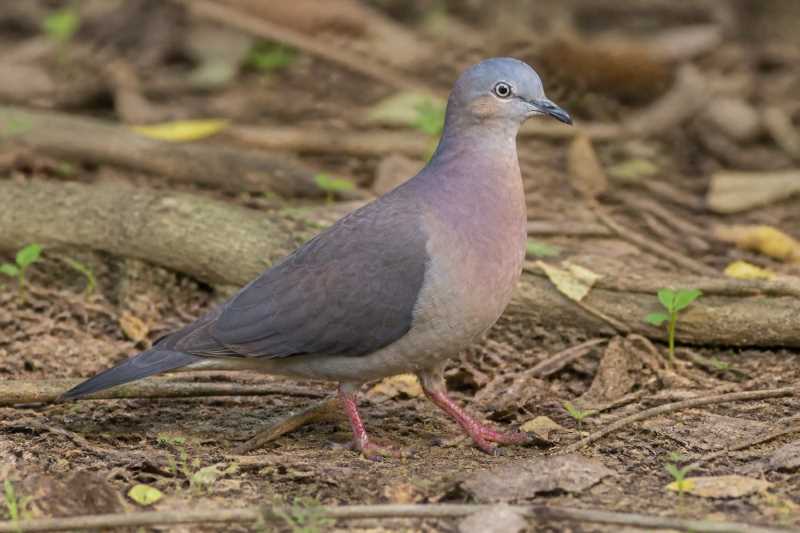
The Tolima Dove is a medium-sized bird, measuring approximately 28 to 30 centimeters in length. Its plumage is a harmonious blend of gray and brown, with a distinctive white forehead and pinkish underparts. The subtle iridescence on its neck feathers adds a touch of elegance to its appearance. Its eyes, encircled by a bare blue-gray skin, lend it a gentle, yet alert expression.
This species is primarily found in the subtropical and tropical moist forests of Colombia, particularly in the central Andes region. It thrives at elevations between 1,200 and 2,200 meters, where it inhabits dense understory vegetation. The Tolima Dove’s preference for such specific habitats underscores its vulnerability to environmental changes.
Behavior and Ecology
The Tolima Dove is a relatively shy and elusive bird, often heard before it is seen. Its call, a soft, mournful cooing, resonates through the forests it inhabits. This bird tends to be solitary or found in pairs, foraging quietly on the forest floor for seeds, fruits, and small invertebrates.
Breeding habits of the Tolima Dove remain somewhat obscure, owing to its elusive nature. However, it is believed to follow a similar pattern to other doves, with a simple nest constructed from twigs and leaves, where it typically lays one or two eggs. The role of both parents in nurturing the young is a characteristic trait among dove species, ensuring the survival of their offspring in a challenging environment.
Conservation Status
The Tolima Dove is currently classified as Vulnerable on the IUCN Red List. This status is primarily due to habitat loss, driven by deforestation for agriculture and urban development. The fragmentation of its habitat poses a significant threat to its survival, as it reduces the availability of suitable living conditions and restricts gene flow between populations.
Conservation efforts are underway to protect this species and its habitat. These include the establishment of protected areas and the implementation of sustainable land-use practices. Local and international conservation organizations are also working to raise awareness about the importance of preserving Colombia’s unique biodiversity.
The Importance of Conservation
Preserving the Tolima Dove is not just about saving a single species; it is about maintaining the ecological balance of the region. As a part of the ecosystem, the Tolima Dove plays a role in seed dispersal and contributes to the biological diversity that is crucial for a healthy environment.
Efforts to conserve the Tolima Dove also highlight the broader challenges of biodiversity conservation in tropical regions. These areas are often rich in species diversity but face significant threats from human activities. By focusing on the Tolima Dove, conservationists can draw attention to the need for sustainable development that considers both human needs and ecological preservation.
Conclusion
The Tolima Dove is more than just an avian species; it is a symbol of the delicate balance that exists within Colombia’s ecosystems. Protecting this bird and its habitat requires a concerted effort from both local communities and the international community. Through education, conservation initiatives, and sustainable practices, there is hope that the Tolima Dove will continue to grace the forests of Colombia for generations to come.
In conclusion, the Tolima Dove serves as a poignant reminder of the interconnectedness of life and the responsibility we share in safeguarding it. By preserving this species, we are not only protecting a vital part of our natural heritage but also ensuring the health and vitality of the ecosystems we all depend on.
Related posts