Sooty Shearwater: Navigators of the Oceans
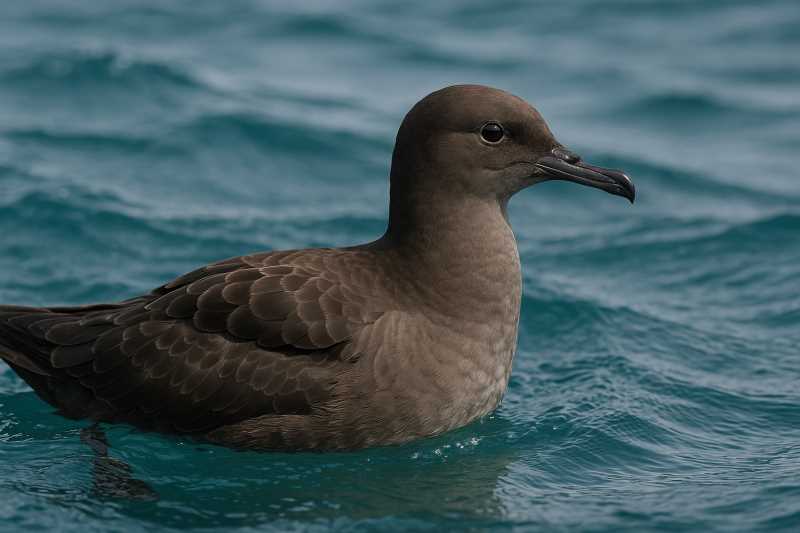
The Sooty Shearwater (Ardenna grisea) is a remarkable seabird known for its extraordinary migratory patterns, which are among the longest in the avian world. These birds, part of the Procellariidae family, are characterized by their dark plumage and impressive wingspan, making them a captivating subject of study for ornithologists and bird enthusiasts alike.
Physical Characteristics
Sooty Shearwaters are medium-sized seabirds with a streamlined body adapted for long-distance travel. They feature a predominantly sooty-brown plumage, which can appear slate-grey in certain lights, giving them their name. Their wings are long and narrow, with a wingspan reaching up to 110 centimeters (43 inches), facilitating dynamic soaring—a flight pattern that allows them to cover vast distances with minimal energy expenditure. These birds possess a robust, slightly hooked bill, adapted for their diverse diet.
Habitat and Distribution
Sooty Shearwaters are pelagic, spending most of their life at sea. They breed on islands in the Southern Hemisphere, with large colonies found in New Zealand, the Falkland Islands, and other remote areas. After breeding, they embark on their incredible migratory journey, traveling thousands of kilometers across the Pacific Ocean to the North Pacific, reaching as far as the coasts of Japan, Alaska, and California. This migration follows a figure-eight pattern, allowing them to exploit rich feeding grounds in both hemispheres as seasons change.
Behavior and Diet
These shearwaters are adept foragers, primarily feeding on small fish, squid, and krill. They employ a variety of hunting techniques, including surface seizing and plunge diving, making use of their agile bodies and keen eyesight. Sooty Shearwaters are known to follow fishing boats, taking advantage of bycatch and human-induced food sources. They are highly social birds, often seen in large flocks, especially during migration and feeding.
Breeding and Life Cycle
Breeding takes place once a year, with Sooty Shearwaters returning to their natal colonies in the Southern Hemisphere between September and November. They nest in burrows on coastal slopes and grassy areas, where the female lays a single egg. Both parents share the responsibility of incubation, which lasts about 53 days. After hatching, the chick is fed regurgitated food by both parents until it fledges, approximately 100 days later.
Conservation Status
Currently, the Sooty Shearwater is listed as Near Threatened on the IUCN Red List. Their populations face several threats, including habitat destruction, climate change, and bycatch in fisheries. Overharvesting of chicks and adults for food, especially in New Zealand, poses additional challenges to their conservation. Efforts to protect these birds include the establishment of marine protected areas, sustainable fishing practices, and public awareness campaigns.
Importance to Ecosystems
As top predators in their marine environments, Sooty Shearwaters play a critical role in maintaining the health of oceanic ecosystems. Their feeding activities help control the populations of their prey, and their migratory patterns aid in nutrient cycling across vast oceanic distances. Additionally, they serve as indicators of ocean health, with changes in their populations often reflecting broader ecological shifts.
Conclusion
The Sooty Shearwater remains a symbol of the interconnectedness of global marine ecosystems and the challenges faced by migratory species in the modern world. Their impressive journeys and complex life cycles highlight the need for coordinated conservation efforts across international boundaries. As we continue to study and protect these remarkable birds, we gain invaluable insights into the health of our oceans and the impacts of environmental change.
By understanding and safeguarding the Sooty Shearwater, we not only preserve a vital component of marine biodiversity but also contribute to the broader goal of ocean conservation, ensuring these navigators of the seas continue to grace our oceans for generations to come.
Related posts