The Enigmatic Fulvous Antshrike: A Deep Dive into Its Habitat and Behavior
The Fulvous Antshrike (Frederickena fulva) is a captivating bird species that has intrigued ornithologists and birdwatchers alike. As a member of the Thamnophilidae family, this species is part of a diverse group known for their ant-following behavior. Despite its elusive nature, the Fulvous Antshrike offers a fascinating glimpse into the rich biodiversity of its habitat.
Description and Physical Characteristics
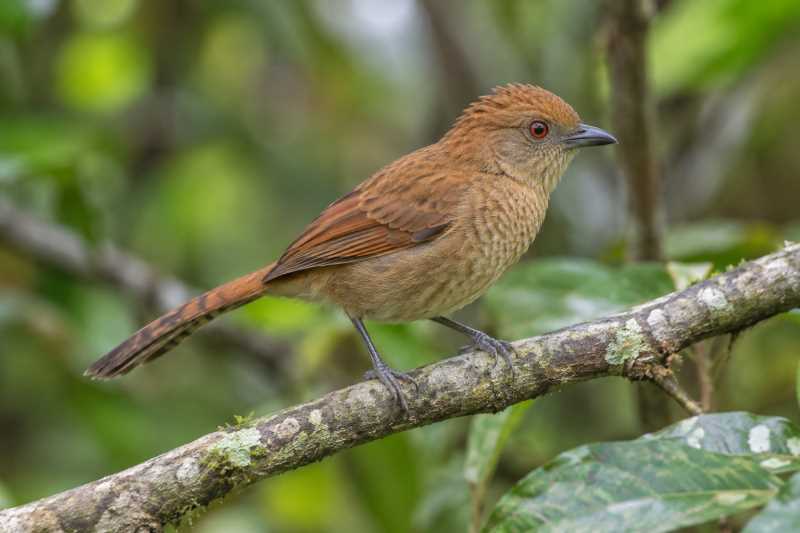
The Fulvous Antshrike is characterized by its striking plumage, which ranges from a rich fulvous to a darker brown hue. This coloration provides excellent camouflage against the dense underbrush of its tropical habitat. Adult males and females can be difficult to differentiate, though subtle differences in size and plumage intensity can sometimes be observed.
Typically measuring about 18 to 20 centimeters in length, the Fulvous Antshrike possesses a robust build with a strong, hooked bill adapted for its insectivorous diet. Its call is a series of sharp, repetitive notes that resonate through the forest, often serving as a primary indicator of its presence to observant listeners.
Habitat and Distribution
Native to the lowland rainforests of South America, the Fulvous Antshrike is primarily found in regions of the Amazon Basin, encompassing parts of Brazil, Peru, and Bolivia. Its preference for dense, humid environments makes it a key species in the understory of these forests. Here, the antshrike plays a crucial role in the ecosystem, aiding in insect population control and contributing to the overall health of the forest.
The bird’s range is somewhat limited compared to other antshrikes, largely due to its specialized habitat requirements. The ongoing deforestation and habitat fragmentation in the Amazon pose significant threats to its population, necessitating targeted conservation efforts to preserve its natural environment.
Diet and Feeding Behavior
True to its name, the Fulvous Antshrike is an adept ant-follower, often seen foraging in mixed-species flocks that capitalize on army ant swarms. As the ants move through the forest, they flush out insects and other small arthropods, which the antshrike quickly seizes upon. This behavior not only supports its dietary needs but also exemplifies the complex interdependencies within its ecosystem.
In addition to ants, the Fulvous Antshrike’s diet includes a variety of other insects and small invertebrates. Its keen eyesight and quick reflexes make it an efficient hunter, adept at capturing prey amidst the tangled foliage.
Breeding and Reproduction
The breeding habits of the Fulvous Antshrike are not as well-documented as some other species, owing to its secretive nature. However, it is believed that they form monogamous pairs, with both parents participating in the rearing of their young. Nests are typically constructed in dense vegetation, offering protection from predators and the elements.
During the breeding season, which often aligns with the rainy period in their habitat, these birds become more vocal, using their calls to establish territory and attract mates. The specific courtship rituals remain largely unobserved, providing an exciting opportunity for future research.
Conservation Status and Challenges
The Fulvous Antshrike is currently classified as Near Threatened by the International Union for Conservation of Nature (IUCN). The primary threats to its survival are habitat destruction and fragmentation, driven by logging, agriculture, and infrastructure development in the Amazon Basin.
Conservation efforts are essential to ensure the survival of this species. These efforts include preserving large tracts of undisturbed forest, implementing sustainable land-use practices, and raising awareness about the ecological importance of the Fulvous Antshrike and its habitat.
The Importance of Research and Conservation
Understanding the Fulvous Antshrike is crucial not only for its conservation but also for appreciating the complex ecosystems it inhabits. As a representative of the rich biodiversity of the Amazon, this bird serves as an indicator of environmental health. Protecting the Fulvous Antshrike thus contributes to broader conservation goals, including the preservation of countless other species that share its habitat.
Ongoing research is vital to fill the gaps in our knowledge about the Fulvous Antshrike’s behavior, breeding, and ecological roles. Collaborative efforts between local communities, governments, and conservation organizations can foster a more resilient future for this enigmatic bird.
In summary, the Fulvous Antshrike is a symbol of the intricate and delicate balance within tropical forest ecosystems. By safeguarding its future, we stand to protect not just a single species, but an entire world of natural wonder.
Conclusion
The Fulvous Antshrike remains a fascinating subject for both scientific study and birdwatching enthusiasts. Its survival is intricately linked to the health of the Amazon rainforest, highlighting the need for concerted conservation efforts. As we deepen our understanding of this remarkable bird, we are reminded of the vital role biodiversity plays in maintaining the ecological equilibrium of our planet.
References
- BirdLife International (2021). Frederickena fulva assessment.
- Zimmer, K. J., Isler, M. L. (2003). The Ecology and Behavior of the Fulvous Antshrike.
- International Union for Conservation of Nature (IUCN). The Red List of Threatened Species.
Related posts