The Vibrant Orange Dove: A Jewel of the Pacific
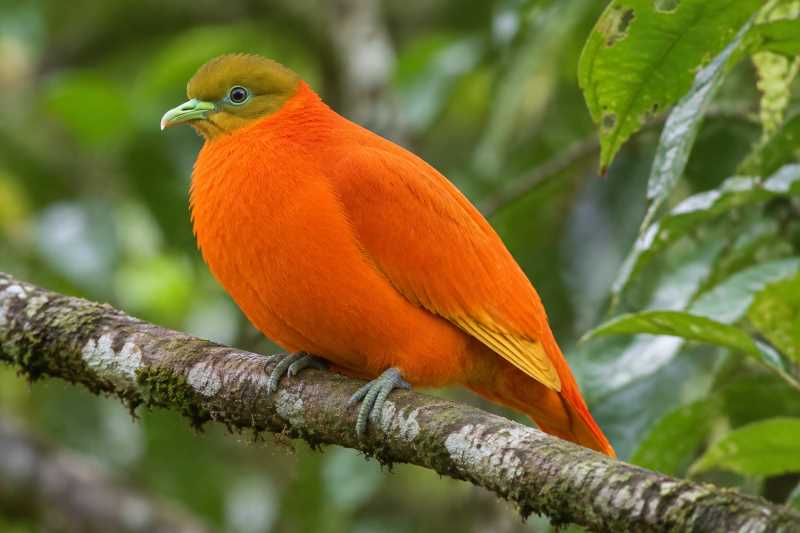
The Orange Dove (Ptilinopus victor), a resplendent avian species, is one of the most captivating birds inhabiting the lush tropical landscapes of Fiji. With its vivid orange plumage and striking appearance, this bird is not only a visual delight but also an important contributor to the ecological balance of its native habitat. In this article, we explore the distinctive features, habitat, behavior, and conservation status of the Orange Dove, shedding light on why this species is a true jewel of the Pacific.
Distinctive Features
The Orange Dove is named for its brilliant orange coloring, which is most pronounced in males. Males boast a vivid orange plumage contrasted by a rich green back and wings, a combination that creates a striking visual spectacle. Females, while less flamboyant, are equally beautiful with their predominantly green plumage and subtle orange hues. This sexual dichromatism not only adds to the aesthetic appeal of the species but also aids in identification and study.
The bird’s size is relatively small, measuring around 20 centimeters in length. Its compact body, coupled with a short tail and strong flight muscles, facilitates agile movements through the dense foliage of its habitat. The Orange Dove’s eyes are particularly enchanting, with a deep red hue that adds to its overall allure.
Habitat and Distribution
Endemic to the islands of Fiji, the Orange Dove is primarily found in the lowland tropical forests of Viti Levu and Vanua Levu. These forests provide a rich tapestry of resources that the doves rely on for survival, including fruits, seeds, and insects. The vibrant ecosystem supports not only the Orange Dove but also a plethora of other wildlife, creating a dynamic and interdependent environment.
The bird’s preference for lowland forests makes it particularly susceptible to habitat loss due to deforestation and land conversion for agriculture. The preservation of these forests is critical not only for the Orange Dove but also for maintaining the biodiversity of the region.
Behavior and Diet
The Orange Dove is a frugivorous bird, with a diet primarily consisting of a variety of fruits. This diet plays a crucial role in seed dispersal within its habitat, contributing to forest regeneration and ecological health. The bird’s feeding habits involve foraging through the forest canopy, where it skillfully plucks fruit from trees and vines.
In terms of behavior, Orange Doves are known for their relatively solitary nature, although they can occasionally be spotted in pairs or small groups. Their calls are soft and melodious, often described as a series of coos that resonate through the forest. These calls serve as communication tools, especially during the breeding season when males display vibrant plumage to attract mates.
Conservation Status
The Orange Dove is currently classified as a species of Least Concern by the International Union for Conservation of Nature (IUCN). However, this status does not imply that the species is free from threats. Habitat destruction, invasive species, and climate change pose significant risks to the Orange Dove’s survival. Conservation efforts are essential to ensure that this magnificent bird continues to thrive in its natural habitat.
Organizations and local governments are working to implement measures that protect the remaining forested areas of Fiji. Initiatives include establishing protected areas, promoting sustainable land-use practices, and raising awareness about the importance of preserving native wildlife. Community involvement is also a key component, as local populations play a crucial role in conserving their natural heritage.
The Importance of the Orange Dove
Beyond its aesthetic appeal, the Orange Dove holds ecological significance. As a frugivore, it contributes to the health and sustainability of its ecosystem by aiding in seed dispersal. This function is vital for the regeneration of the forest and the continuation of the intricate web of life that depends on it.
Moreover, the Orange Dove serves as an indicator species, reflecting the health of its environment. A thriving population of Orange Doves signals a well-balanced and healthy ecosystem, while a decline can indicate environmental stressors that may need to be addressed.
Conclusion
The Orange Dove, with its stunning appearance and ecological importance, embodies the natural beauty and complexity of Fiji’s tropical forests. Protecting this species requires concerted efforts from conservationists, local communities, and governments to ensure that future generations can also marvel at its beauty. As we continue to explore and appreciate the diversity of life on our planet, the Orange Dove stands as a reminder of the rich natural heritage that we are privileged to protect and preserve.
Related posts